
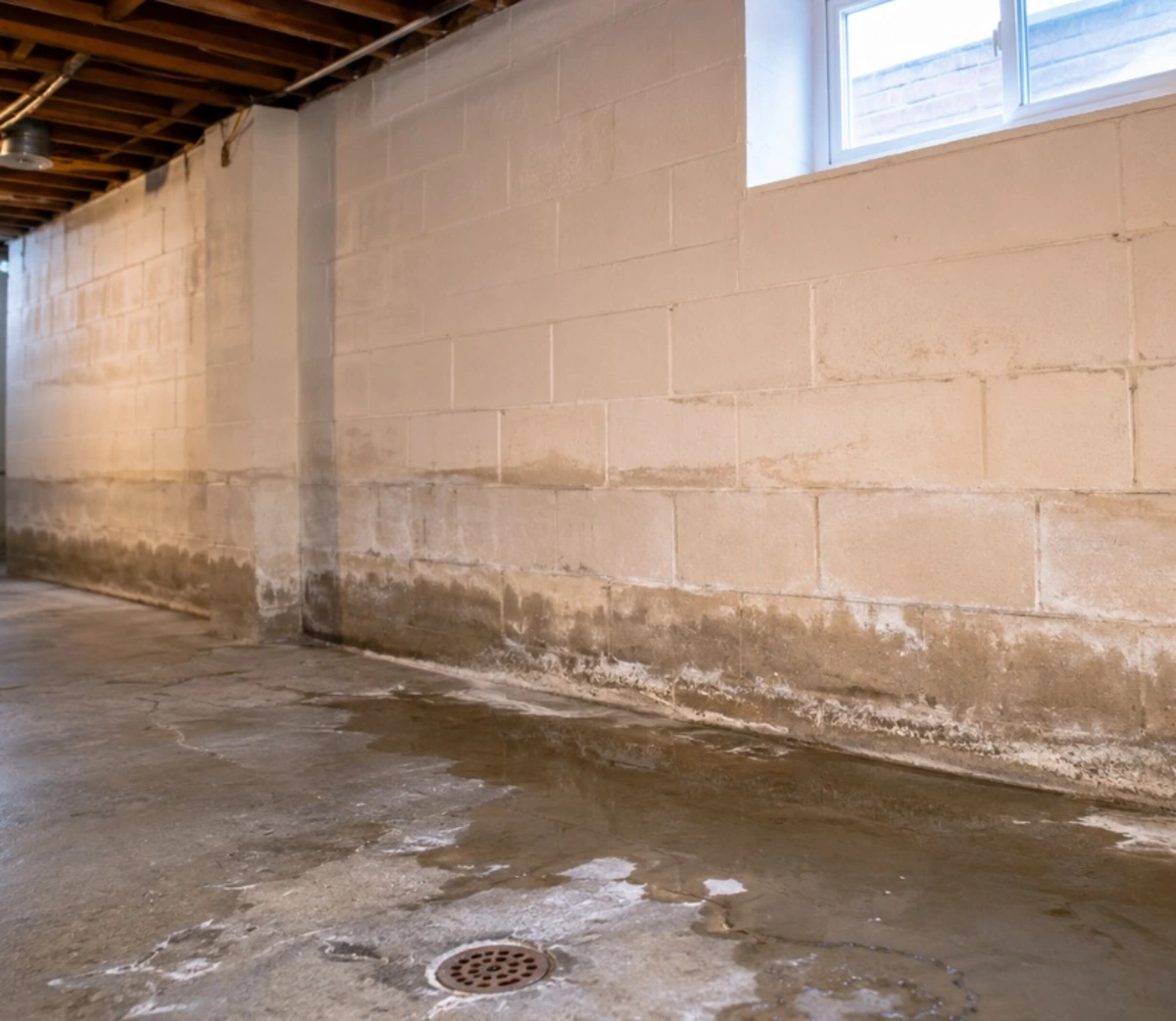
A wet or damp basement can feel like a deal-breaker when you’re trying to sell a home. Buyers may worry about hidden mold, foundation issues, or costly waterproofing and sellers often feel stuck between paying for repairs or accepting a lower offer.
The good news: you can sell a home with basement moisture, as long as you handle it strategically. This guide explains why wet basements happen, how they impact value, what repairs typically cost, what buyers pay attention to, and when selling as-is might be the most practical path.
Why Wet Basements Are So Common in Pittsburgh Homes
Wet basements are common in many older, hilly, and river-adjacent areas - especially in regions with heavy rain, freeze-thaw cycles, and clay-rich soils. If you’re selling in Pittsburgh or a similar environment, moisture in below-grade spaces is often more “normal” than you might think, but it still needs to be addressed honestly.
Common causes of basement dampness
- Poor exterior drainage: If the ground slopes toward the foundation, water naturally runs to the house and collects near basement walls.
- Clogged or short downspouts: Gutters that overflow—or downspouts that dump water too close to the home—can saturate soil right next to the foundation.
- Hydrostatic pressure: When soil around the home becomes saturated, pressure forces water through small cracks, seams, and porous concrete.
- Foundation cracks and joint seepage: Even hairline cracks or gaps where the wall meets the floor can allow seepage during storms.
- High water table or nearby waterways: Some neighborhoods experience seasonal groundwater rise that pushes moisture into basements.
- Old construction and materials: Older stone foundations and early concrete can be more porous, and mortar joints can weaken over time.
Quick check sellers can do before listing
You don’t need to be a contractor to gather useful information:
1. Note when moisture shows up (after rain, spring thaw, continuous humidity).
2. Look for patterns (one corner, near the chimney, around a floor drain).
3. Check gutters/downspouts and observe where water flows during a heavy rain.
4. Document what you find with photos; it helps you communicate clearly with buyers and contractors.
Practical example: If puddling appears only after heavy rain and you find a downspout discharging right beside that wall, an inexpensive extension may reduce the issue significantly without major construction.
How Basement Moisture Can Affect a Home’s Value
Basement moisture can affect value in two ways: by increasing buyer uncertainty and by raising the perceived (or real) cost of future repairs.
How buyers translate moisture into dollars
Most buyers mentally convert a damp smell, stains, or efflorescence into one of these assumptions:
- “There’s mold.”
- “The foundation is failing.”
- “I’m going to spend thousands on waterproofing.”
Even when the underlying issue is minor, uncertainty pushes buyers to:
- Offer less
- Ask for repair credits
- Request inspections and contractor estimates
- Walk away if they feel the risk is open-ended
Appraisal and lending implications
Moisture doesn’t automatically kill a deal, but it can complicate financing if there are visible signs of mold, standing water, or structural concerns. Some lenders or appraisers may flag conditions that appear to affect habitability or safety.
The “trust factor” matters
If buyers feel you’re hiding something fresh paint on basement walls, dehumidifiers running during showings, or newly installed flooring over damp concrete they often assume the worst.
Practical example: A seller who discloses “minor seepage in heavy rain, improved with gutter/downspout work, dehumidifier used in summer” can look more credible than a seller who says nothing but has suspiciously new wall paint.
Repair Costs vs. Selling As-Is
One of the biggest questions sellers face is whether to fix the basement before selling. The answer depends on the severity of the issue, your timeline, and your financial flexibility.
Typical repair approaches (and what they involve)
1. Low-cost prevention and maintenance
- Cleaning gutters, extending downspouts, grading soil away from the house
- Sealing small gaps, installing a sump pump if appropriate
These actions can reduce water at the source, and they’re often worth doing because they help most buyers feel more comfortable.
2. Moderate repairs
- Interior drainage systems, sump pump upgrades
- Targeted crack injection or joint sealing
These are more involved and may require professional installation.
3. Major remediation
- Full perimeter drains, excavation, exterior waterproofing membranes
- Significant foundation repair
These projects can be expensive, disruptive, and time-consuming, and may not deliver a dollar-for-dollar return before a sale.
How to decide: fix, credit, or sell as-is
Ask yourself:
- Is the moisture cosmetic, intermittent, or persistent?
- Can you reduce it with simple drainage improvements?
- Will a repair delay your sale or strain your budget?
- Is the likely buyer a homeowner (who wants turnkey) or an investor (who expects issues)?
A practical decision framework
- If the issue is minor and cheap to address, do the simple fixes and disclose honestly.
- If the issue is moderate, consider getting one or two professional estimates so you can either repair or offer a clear credit.
- If the issue is major, selling as-is can be the most practical option—especially if you can’t fund repairs or you need to sell quickly.
Practical example: If you get two estimates for an interior drainage system and they’re in the same ballpark, you can use that information to justify a repair credit instead of guessing and leaving buyers to assume the worst.
What Buyers Look for in a Damp Basement
Buyers don’t just look for water they look for evidence of risk. Understanding what they pay attention to helps you prepare your home and avoid surprises.
Key red flags buyers notice
- Musty odor (often interpreted as mold)
- Visible mold or mildew on joists, drywall, or stored items
- Efflorescence (white, powdery mineral deposits) on masonry walls
- Water stains and tide marks on walls or floors
- Warped paneling, peeling paint, soft drywall
- Rust on metal posts, furnace components, or washer/dryer areas
- Cracks near corners, bowing walls, or uneven floors
- Active leaks around windows, utility penetrations, or where the wall meets the slab
How to present a damp basement more effectively
You don’t need to “stage” the basement like a living room, but you should:
- Remove clutter so walls and corners are visible.
- Run a dehumidifier (and empty it regularly) to reduce odor.
- Improve lighting so buyers can see the space clearly.
- Avoid covering issues with fresh paint or new finishes unless the moisture source is addressed.
- Provide documentation (receipts for gutter work, sump pump service, or professional evaluations).
Inspection expectations
A general home inspection may note moisture indicators and recommend further evaluation. If you already have information photos after storms, a contractor’s assessment, or a list of improvements.
Practical example: A clean, well-lit basement with visible walls, a maintained dehumidifier, and receipts for recent downspout extensions often shows better than a “finished” basement where dampness is hidden behind new drywall.
When to Consider a Fast Cash Sale
A fast cash sale can make sense when the basement issue is significant, your timeline is short, or the property has multiple compounding problems.
Situations where as-is selling may be the best fit
- You can’t or don’t want to fund repairs (or don’t qualify for financing)
- You need a quick timeline due to job relocation, divorce, or other life changes
- The home has other major issues (roof, electrical, plumbing, foundation)
- You’re dealing with an inherited property and don’t want to manage contractors
- The basement moisture is ongoing and you don’t want a long negotiation process with traditional buyers
Pros and cons to weigh
Potential benefits
- Fewer repair negotiations
- Less time preparing the home
- Reduced risk of a deal falling apart after inspection
Trade-offs
- Offers may be lower than a fully repaired, retail-ready home
- You’ll want to compare options to ensure the convenience is worth it
How to protect yourself in any fast-sale scenario
- Get the offer details in writing.
- Ask about closing timeline and who pays typical closing costs.
- Confirm whether the buyer requires inspections or can purchase with known issues.
- Understand what “as-is” means in your state—disclosures may still apply.
Practical example: If you’re facing repeated seepage and also need to replace a furnace, you may decide that spending more money to list traditionally doesn’t match your goals. In that case, selling as-is can be a straightforward way to move on.
A wet basement doesn’t automatically prevent a successful home sale, but it does require a thoughtful approach. Start by understanding the likely cause, make simple drainage improvements where possible, and be transparent with buyers. When repairs are manageable, you can often address them or offer a clear credit backed by estimates. When the problem is larger or your timeline and budget are tight, then selling as-is may be the most practical route.
No matter which path you choose, the goal is the same: reduce uncertainty, communicate clearly, and pick a selling strategy that fits your financial and personal situation. Reach out to Buys Houses today so we can help! https://BuysHouses.co

This content has been submitted by authors outside of this publisher and is not its editorial product. It could contain opinions, facts, and points of view that have not been reviewed or accepted by the publisher. The content may have been created, in whole or in part, using artificial intelligence tools.