
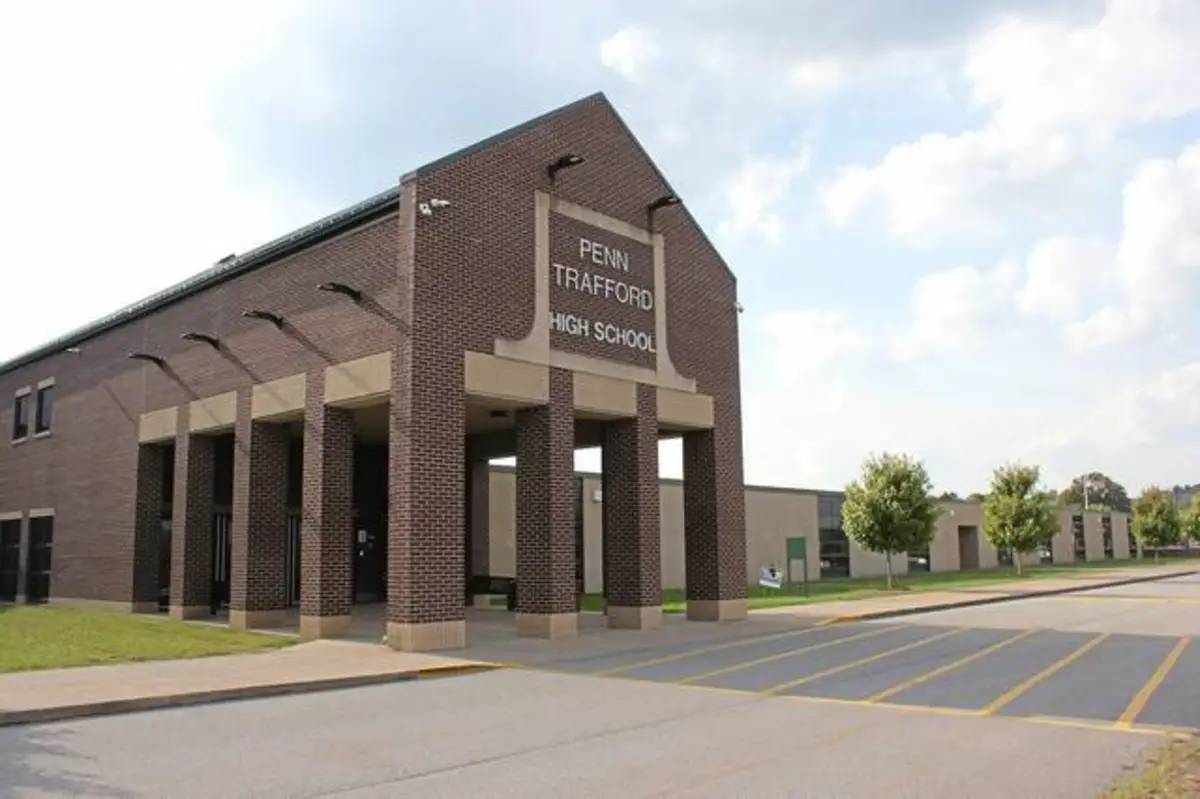
Penn-Trafford property owners could see their tax bills increase about $130 annually if the school board approves a budget next week including a 4-mill tax hike.
Rebecca Rodriguez, the district’s director of business affairs, proposed a $71.6 million budget Monday for 2026-27 — nearly $300,000 less than the first version of the budget presented in May.
District revenues increased because of a rise in assessed property values, and expenses decreased following additional retirements and resignations, Rodriguez said. The district also eliminated two bus routes and reduced services from Adelphoi and St. Vincent College to save $171,000, she said.
Rodriguez pitched a 4.12-mill property tax increase, bringing the tax rate to 97.87 mills in Westmoreland County and 14.18 mills for the 52 property owners in Allegheny County. It would leave the board with a surplus of $423,000.
Penn-Trafford is one of 78 school districts statewide that spreads across multiple counties.
The tax hike would result in a $2,762 average tax bill for the district’s Westmoreland County property owners — $133 per year higher than the 2025-26 school year.
Rodriguez initially estimated the tax increase would raise Westmoreland property owners’ bills by nearly $200 per year. This calculation, she said, was based on outdated data from the 2024-25 fiscal year.
The average tax bill for Allegheny residents would drop $18 annually — to $1,215 — because of changes in the State Tax Equalization Board latest market value report. The board determines the aggregate market value of taxable real estate property each year.
One mill brings the district $330,984 in Westmoreland County and $3,204 in Allegheny County.
The average assessed property value is $28,220 in Westmoreland and $85,664 in Allegheny.
Budget without tax increase would include $953K deficit
Without raising taxes, the board would need to find another way to close a $953,000 gap in the budget.
With a 2-mill increase, the district would still face a $284,600 deficit. To close the gap, officials would need to leave a retired teacher’s position vacant, eliminate three student learning assistant positions and cut a bus route.
The district would need to make all of these cuts, eliminate three more student learning assistant positions, decrease supply expenses by $7,300 and not rehire a psychologist if the board decides to raise taxes by 1 mill.
There is a possibility the district will receive about $397,000 from the state’s adequacy formula — an effort to more equitably fund schools. But the state will not pass its budget before the board’s vote on June 15, Rodriguez said.
State Rep. Brian Rasel, R-North Huntingdon, gave the district no indication if the adequacy funds will be distributed, Rodriguez said.
“The fact that our representative can’t give us that answer, it puts us in a bind,” Rodriguez said. “It’s unfair that we have to pass our (budget) before (the state) passes theirs.”
Superintendent: Budgeting is ‘getting harder and harder’
Board member John Otto encouraged the board to not depend on the state passing its budget on time when making district financial decisions. Pennsylvania legislators passed the 2025-26 state budget 135 days late in mid-November.
The impasse cost Penn-Trafford about $100,000, Otto said.
“The Harrisburg budgeting mess, from what I understand, is not any better this year than it was last year,” he said. “I wouldn’t be prepared for a quick budget passage in Harrisburg.”
Superintendent Matthew Harris asked the board to consider the district’s future in next week’s budget vote.
“I know we pride ourselves on being a low-cost-per-pupil-spending, high-performing (district),” Harris said. “It’s getting harder and harder to be a high-performing school district and do the things we want at such a low cost.”
The board will vote on its final budget at 7 p.m. Monday at the high school, 3381 Route 130 in Penn Township’s Harrison City neighborhood. The meeting will be livestreamed on the Penn-Trafford YouTube page.