
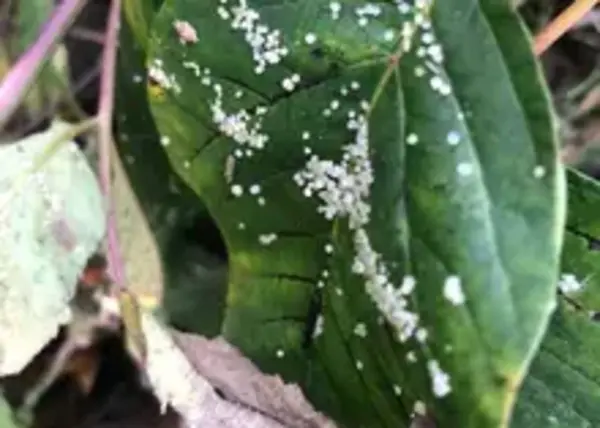
A Beaver County plastics manufacturer will pay $2.6 million to settle a federal lawsuit filed by PennEnvironment and Three Rivers Waterkeeper nearly two years ago over the discharge of microplastics in wastewater and stormwater in the Ohio River Basin.
Styropek USA, operating as BVPV Styrenics LLC, idled its plant in May.
Before that, it produced as much as 123,000 tons each year of expandable polystyrene pellets, known as nurdles, PennEnvironment said.
The proposed settlement, announced on Thursday, must be approved by a federal judge. It requires the company to pay an automatic penalty whenever a single pellet is detected.
A message left with Styropek’s attorney was not immediately returned.
The two environmental groups sued Styropek USA in December 2023 alleging the company was discharging the pellets into the water and along banks around Raccoon Creek and the Ohio River, violating the federal Clean Water Act and Pennsylvania’s Clean Streams Law.
When released into the water supply, the organization said, the pellets act as “toxic sponges,” and can enter the food chain through animals.
The complaint was filed after monthly “nurdle patrols,” conducted by Three Rivers Waterkeeper and Mountain Watershed Association found the pellets on vegetation, creek banks and in river sediment. They had been discharged through an underwater pipe in Raccoon Creek, the lawsuit said.
Nurdles are small, rigid spheres up to 2.5 mm in diameter that can be expanded and then used in plastic foam products, like coffee cups, coolers and packing materials.
Styrotek is set on 400 acres at the confluence of Raccoon Creek and the Ohio River, which provides drinking water to 5 million people in the area, PennEnvironment said.
“There is no doubt that pellets like those discharged by Styropek pose a major threat to public health and the environment,” said PennEnvironment Executive Director David Masur. “This landmark victory will protect the headwaters of the Ohio River Basin and the people who rely on it for clean water, including those near Styropek’s Beaver County facility.”
Masur said the settlement also will set the standard of having zero plastic discharges in Styropek’s wastewater.
In addition to the financial settlement, Styropek must install cutting-edge monitoring technology at every stormwater outfall to track when the micropellets escape the property.
Heather Hulton VanTassel, the executive director of Three Rivers Waterkeeper, said plastic manufacturing facilities use trillions of nurdles each year, which can be impossible to remove.
“The widespread installation of these technologies is the next step to preventing future plastic pollution and protecting our source drinking water,” she said.
According to the settlement agreement, out of the $2.6 million, $2 million will be set aside to remediate pellets in the immediate vicinity of the Styropek facility.
The rest will go toward improving the Raccoon Creek and Ohio River watershed.
The money will be managed by the Foundation for Pennsylvania Watersheds.
Last month, the Pennsylvania Department of Environmental Protection filed a motion to intervene in the civil case, seeking to become a signatory in the proposed consent decree between the parties.
According to its court filing, DEP is the agency responsible for administering Pennsylvania’s Clean Streams Law, and it also handles permitting for pollutant discharge.
U.S. District Judge J. Nicholas Ranjan granted the motion.