
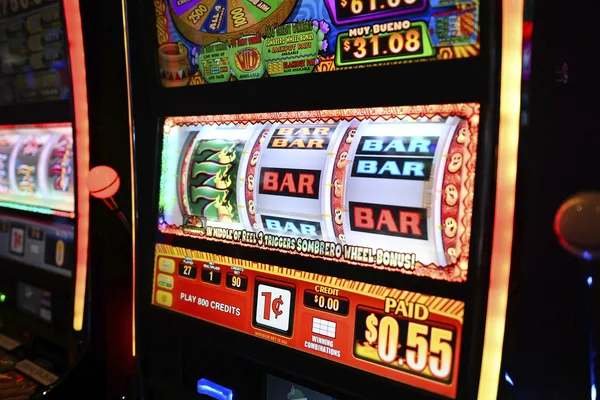
Pennsylvania property owners have received tax relief for the last two decades as part of the deal that legalized casino-style gambling.
Property owners are slated to receive more than $1 billion in tax relief this fiscal year, a nearly 42% increase over the last 10 years.
But as the pot of cash used to reduce local property tax bills increased, the formula used to determine how those funds are distributed remains stuck in the past.
A TribLive investigation found that property tax relief tied to casino gambling is based on economic and demographic data from 2002.
“The data is old,” conceded a spokesman for the Department of Education, which this year is charged with distributing more than $1 billion to Pennsylvania’s 500 school districts as part of the state’s property tax relief program tied to casino gambling. name?
Formalized by legislation in 2006, state lawmakers created Homestead and Farmstead Exclusion programs that property owners can apply for and receive annual discounts on school taxes bills through levies paid by casino operators.
Revenue generated from slot machines at Pennsylvania’s casinos and through online gaming sites is taxed at 34%. Those funds are then divvied up among the state’s school districts to offset property tax reductions applied to for those who participate in the Homestead and Farmstead Exemption programs.
Pennsylvania’s 17 casinos generated about $6.4 billion in revenue last year, according to the state’s gaming board. Slot machines accounted for the largest slice of the gambling pie, with more than 2.4 billion in receipts. Internet gaming, which includes slot play and other games, saw another $2.4 billion bet last year. Table games, at nearly $929 million and sports betting, accounted for more than $487 million.
State gaming officials say
it’s only on slot machine revenue, not table games as well? Doesn’t most of the casinos’ revenues come from table games now? Do we have a breakdown of how much revenue casinos are making? how many casinos are there statewide?
State gaming officials say school districts received more than $6.2 billion over the last decade to cover losses associated with property tax relief doled out through the Homestead Exemption.
Revenue earmarked for property tax relief has grown substantially over the last three years, jumping from nearly $622 million in the 2022-23 school year to $931 million in the fiscal year that ended this summer. Tax relief is expected to top more than $1 billion in the 2025-2026 school year, according to the Department of Education.
It’s cash that property owners don’t directly receive. Instead, their share of the relief is deducted from their school property tax bill and varies based on a home’s value and the school district where it resides. What is the actual formula?
According to figures from the Department of Education, the highest amount of tax relief anticipated to be received in 2025-26 fiscal year is in the Allentown School District in Lehigh County, where property owners will see average $1,032 reductions in their tax bill as a result of slot machine revenue. What is their actual average tax bill? how much of a percentage of relief do they get? this needs perspective.
In Western Pennsylvania, property owners in the Washington School District are expected to receive the most tax relief this year with residents enrolled in the Homestead Exclusion program average discounts of $990. See above. Context needed
Meanwhile, property owners in some school districts will see substantially smaller amounts of tax relief. Homeowners in the Mars Area School District in Butler County will see average reductions of just $102 this year. Residents in a handful of districts in Westmoreland County are among the districts where property owners receive the least amount of relief.
Tax relief in Ligonier Valley School District averages $130 this year; $166 in Norwin; $168 in Hempfield and $172 in the Greater Latrobe Area School District. Do we have a list for all of our print-centric schools? and compare that with the average tax bill in those districts?
Westmoreland County, where population has decreased over the last several decades, has among the oldest property tax assessments in the state. The county has not reassessed its property values since 1972. so this hurts their tax relief?
The education department compiles data for property tax relief based on school district’s enrollment and economic factors such as wealth and tax collections to create an index used to divvy up the revenue allocated toward tax relief. vague
The data for both enrollment and collections hasn’t been updated in more than two decades. And no adjustments to the formula and data have been made since the law was first implemented for the 2008-09 budget year, according to education department officials. just curious: why did it take two years for the law to be implemented?
That means that districts where demographics have substantially changed because of economic conditions and new construction receive stipends from the state’s slot machine taxes based on outdated data from the turn of the century. stipends? is that the right word here?
George Dunbar, a member of the Pennsylvania’s Gaming Control Board and a former state House representative from Penn Township, said the promise of property tax relief has been honored.
“When this became law, there was a big push that it could eliminate property taxes and this seemed like a vehicle to do it. The problem is people don’t see it and they don’t realize it’s there, but it (the Homestead Exclusion reduction) is the very first thing on their tax bill,” Dunbar said. “I can tell you when I was in the House, people would come into my office and complain they never got money off the casinos. I’d tell them, you did.”
Homeowners who pay property taxes through financing companies and escrow accounts may not see how their bills are impacted by the casino-related tax revenue. Others may not understand or remember they signed on the Homestead Exclusion program two decades ago, Dunbar suggested.
Dunbar said that for property owners, the relief they receive from gambling revenue can be overshadowed by rising tax bills.
Gambling generates billions of dollars in tax revenue for the state. The gaming board reported the state collected nearly $2.8 million in taxes from casinos and through online gaming last year. In addition to property tax relief, that revenue is used for municipal economic development grants, allocations made to communities that host casinos, subsidies to the state’s horse racing industry and agriculture programs and into the state’s general fund.
Elizabeth Stelle, vice president of policy with the Commonwealth Foundation what is this group?, said the growing property tax relief generated by gambling taxes is still not enough to compensate for rising tax burdens that result from insufficient state funding of schools.
“We see this (tax relief) as helpful to some extent, but it didn’t really address the underlying source of the the issue that school districts’ revenues have gone up 48.4% since 2013, mostly through property taxes,” Stelle said. we don’t completely make the connection between this quote and the prior paragraph. Their revenues are up because they’ve had to raise taxes … I’m assuming because — she’s saying — the state isn’t giving districts enough money.
Stelle said because the data used to distribute tax relief is so old, it doesn’t take into consideration changing demographics of the school districts and updated property tax assessments that directly impact the relief each property owner receives. can we explain how this works? we leave it to the reader to guess about how demographics (age? race?) and assessments (age of them?) affect relief.
“I don’t think it solves the underlying issue of increases in education spending. It could be part of the puzzle, but even if they redo the formula we could be in this situation in another 20 years,” Stelle said.
Property owners in the Plum Borough School District received about $2.9 million last year in tax relief directly from slot machine gambling.
Financial Manager Ryan Manzer said the school district sends out annual reminders to all property owners about the Homestead Exclusion and potential for tax relief.
“We’ve been happy with the recent increases,” Manzer said. “If (the state) were able to refresh the data and (Plum Borough) has grown more than other districts in the last 20 years, then we’d certainly welcome that refresh to the data. But we’re happy with the consistency without the refresh.”
Gambling opponents continue to question whether tax benefits provided by state-sanctioned gambling outweigh the societal risks.
Josh Ercole, executive director of the Council on Compulsive Gambling, criticized what he called dangerous rhetoric that gambling promotes the “greater good.”
“The population insert: that is? supposed to benefit from these tax programs are often the ones funding them the most,” Ercole said. “Taxation tends to fall heaviest on people who can’t necessarily afford that outcome.”
As the revenue from gambling increases, so do the amounts designated to benefit state programs. At a certain point, it begs the question about where this money is coming from and whether people are spending more on gambling than they’re getting back from these different state programs.
Ercole said there are benefits to having legalized and regulated gaming, making the point that if it wasn’t legal here, people would just travel out of state to do it.
He said it’s a plus to have that money circulated back into Pennsylvania when it could be heading to other states and that legislators found a way for some of the revenue to work for the people.
Sen. Jay Costa, D-Forest Hills, said the Taxpayer Relief Act, which created the Homestead Exclusion, is serving its purpose.
Despite the formula for allocation not being updated since its initial installment in 2006, Costa said people should look elsewhere when considering why people may be struggling with their property tax bills.
“The issue is not with the formula divvying out the resources,” Costa said. “We’re not properly funding education.”
He suggested that state lawmakers may need review the outdated formula that determines how property tax relief is distributed.
“It’s the matter of some districts are going to do better, and others will do worse, if the formula is changed or updated. It’s worth looking at, but I can’t speak to whether or not it’s appropriate or inappropriate to use. In my opinion, it’s not a problem,” Costa said.
^