
Pittsburgh City Councilwoman Barb Warwick on Tuesday plans to introduce legislation to create a $20 million trust fund dedicated to buying new vehicles.
The effort aims to address the city’s longstanding problems with an aging vehicle fleet that is prone to breakdowns and often in need of costly repairs.
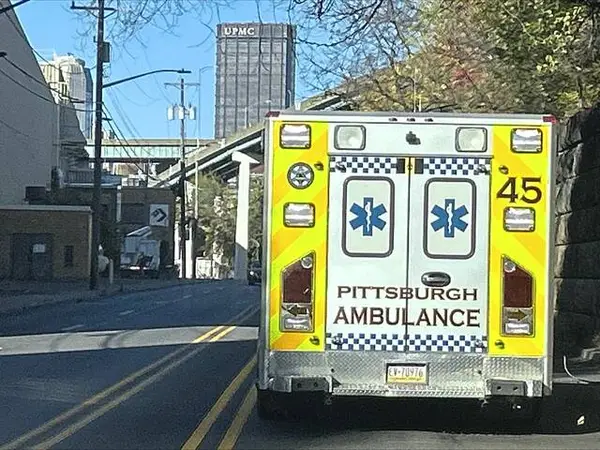
“We know that ambulances are breaking down on the way to calls and have seen firsthand the impact of our lack of plow and salt trucks in recent winter storms,” Warwick, of Greenfield, said Monday in a statement.
During a December snowstorm, 40 plows required some sort of maintenance.
Warwick’s measure would create a fund for fleet purchases and require at least $20 million be allocated to it each year, starting in 2027.
Her measure also sets a goal that no more than 30% of the city’s vehicles remain in use beyond their life cycles.
A November report released by city Controller Rachael Heisler showed nearly half of the city’s vehicles “exceed their life cycles.”
Heisler warned that Pittsburghers could expect to see “widespread service disruptions” if the fleet didn’t see significant investments in the coming years.
As of June, Pittsburgh’s fleet included 1,339 vehicles, according to Heisler’s report. Of those, 105 were decommissioned and being used for parts.
In an October meeting with City Council members, officials pitched the idea of a dedicated fund to pay for new vehicles. Council Budget Director Peter McDevitt at the time said the city was “falling further and further behind” in maintaining its fleet.
The city last year outspent its budget for vehicle maintenance by about $600,000.
City Council voted to raise property taxes 20% this year to ensure the 2026 budget included adequate funding for core needs, like the fleet.
In total, the city has $20 million allocated for new vehicles this year, up from about $6 million in last year’s capital budget.
“While we continue to look for ways to increase revenue — including securing commitments from our large health care and higher-ed nonprofits to start paying their fair share — we must also commit to adequately funding our fleet,” Warwick said. “We know that $20 million per year is the minimum we should be spending to keep our heads above water. This fund will lock that in. It is a step in the right direction.”
Mayor Corey O’Connor on the campaign trail said he wanted to see the city’s major nonprofit health care systems help buy ambulances.
Molly Onufer, a spokeswoman for O’Connor, in a statement said funding the fleet is a “major commitment” of the mayor’s.
“In just his first week, he has already started to implement changes and improvements to make sure the city has the vehicles it needs,” Onufer said.
O’Connor last week unveiled new preparations for snow removal, including authorizing extended hours for vehicle repairs and modifying 17 Parks Division trucks so they’re equipped to clear snow.
“While we haven’t had the opportunity to discuss this particular piece of legislation, we look forward to working collaboratively with City Council on ensuring appropriate and proactive investments in the fleet,” Onufer said.
Warwick told TribLive the “default” way of floating her proposed fund would be to take $20 million from the city’s general fund each year. But she’s hoping to get grants or contributions from nonprofits to provide some cash, too.
Even with $20 million a year dedicated for city vehicle expenses, Warwick said, it will take years to completely modernize the fleet.
“This $20 million a year is really the bare minimum,” she told TribLive.
Warwick’s effort — co-sponsored by council members Anthony Coghill, D-Beechview, and Deb Gross, D-Highland Park — comes after officials for years have struggled to cobble together enough money for the fleet.
“Investing in the fleet is not sexy. It’s not a bright, shiny new project,” Warwick said. “It’s just a run-of-the-mill core city service investment that we have to make. And I think that is probably one of the reasons that it tends to get underfunded every year. The purpose of this is to take the politics out of it.”