
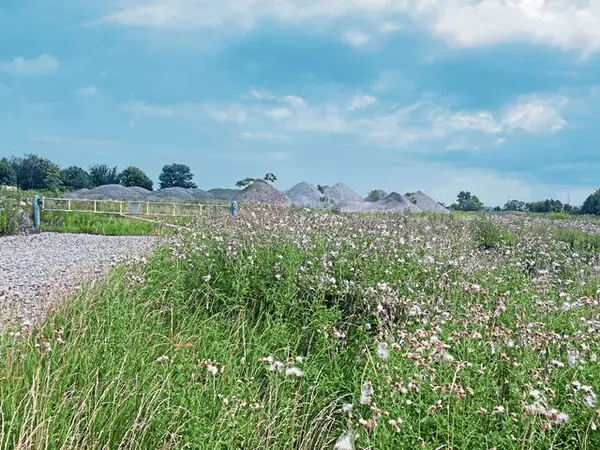
In August 2020, Hempfield supervisors approved plans for a 250,000-square-foot home improvement store along Route 30 near Westmoreland Mall. Nearly five years later, the project has yet to move beyond the proposal stage.
Why?
It’s not as if Wisconsin-based Menards is unfamiliar with building. Supplying construction materials is its business. The company operates hundreds of stores across 15 states, blanketing the Midwest and extending as far west as Wyoming. That makes the long pause on an approved building project — one that would sell the very materials needed to build it — more than a little ironic.
For years now, Menards locations have been proposed — and postponed — in Westmoreland, Washington and Fayette counties. Yet in all that time, no ground has been broken.
It’s also not that Pennsylvanians shy away from do-it-yourself projects or hardware stores. The Keystone State already supports roughly 70 Home Depot locations and more than 80 Lowe’s stores. 84 Lumber operates dozens of locations across the region and just over the border, including near the closest Ohio and West Virginia Menards. Others have entered the market since the Hempfield proposal first surfaced, such as a Busy Beaver location in Salem.
So maybe Menards is simply flirting with the idea of Pennsylvania. Is that really a problem? Maybe not — at least not for the company.
But that kind of prolonged courtship does have consequences. As long as Menards is calling dibs on a piece of real estate, no one else is making plans for it. That uncertainty doesn’t stop at the property line. It can affect surrounding development, infrastructure planning and the confidence that fuels investment decisions in the first place. Announcing a major project creates excitement; watching it stall can just as easily breed hesitation.
Think of the delay like putting off a doctor’s appointment. Rescheduling again and again doesn’t feel like a problem at first. Life gets busy. Things come up. But when the reason is uncertainty — or a quiet fear of what the test results might show — waiting comes with a cost. You don’t get the reassurance of good news. And if the news isn’t good, you’ve only made handling it harder.
Economic development works much the same way. Delay can feel cautious, even responsible. But it isn’t neutral. Over time, it narrows options rather than preserving them.
That impact is already visible in Hempfield. In 2021, the township received a $925,000 grant from the state Department of Community and Economic Development to fund traffic improvements tied to the proposed Menards site, including a new signal at Sheraton Drive and Donohoe Road and changes to traffic flow near Westmoreland Mall. Menards agreed to contribute $350,000 as the local match.
Four years later, the project remains in the permitting stage. The grant is set to expire this summer, requiring the township to seek an extension while waiting to see whether the development that prompted the work will move forward. Public dollars, infrastructure planning and neighboring development are all stuck in the same holding pattern — not because anyone has said no, but because no one has said yes.
Given the sheer number of Menards locations elsewhere, a spread across Pennsylvania’s western border can feel all but inevitable. But inevitability isn’t the same as commitment. Is the Hempfield project actually locked in — or will the delays continue until it quietly withers away?
Hope matters in economic development. Communities need optimism to grow, and officials are right to welcome interest and opportunity. But hope can’t be the foundation. Plans without action don’t move communities forward; they hold them in place.
At some point, waiting stops being patience and starts being paralysis.