
The recently revealed college basketball points-shaving scandal, one of a growing number of controversies surrounding gambling on games by both professional and collegiate athletes, featured ties to Pittsburgh.
Former Robert Morris forward Markeese Hastings was among those federally indicted for intentionally underperforming during games as part of the scheme. In addition, Duquesne’s program was named in court documents as a result of fixing attempts by opposing players from St. Louis and Fordham during games against the Dukes in February 2024.
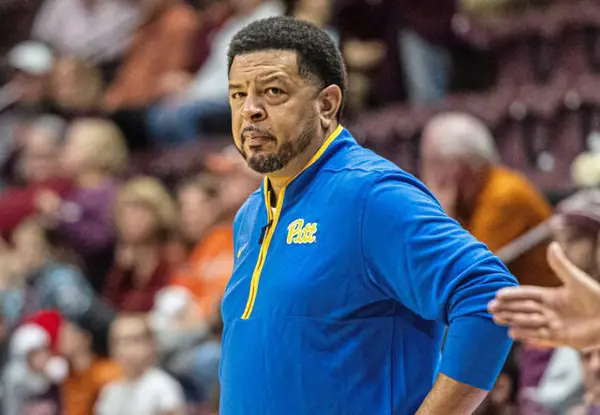
Pitt’s men’s basketball players and program were not part of the alleged misconduct, but coach Jeff Capel nonetheless finds himself on high alert about the prevalence of prop bets and gambling on college sports.
“You look at these kids — they have money now through NIL,” Capel said on his weekly ACC Zoom conference call Monday. “They have a lot of money. It’s so prevalent. It’s everywhere. You watch SportsCenter, and they have segments on there about betting, about gambling.
“You listen to a sports podcast — they talk about it constantly. The FanDuels, there’s commercials about it. It’s so easy to do. Their peers are doing it. And so, yeah, I worry about it.”
Capel said he didn’t have a direct discussion with his players about gambling last week when news of this latest scandal broke.
However, last October, when Portland Trail Blazers coach Chauncey Billups and Miami Heat guard Terry Rozier were ensnared in a massive NBA gambling operation featuring fixed poker games tied to the mafia, Capel did have such a conversation with his group.
The timing of that scandal becoming publicly known coincided with the NCAA approving a rule change that allows student-athletes and athletic department officials to gamble on professional sports, which football coach Pat Narduzzi harshly criticized.
“I think it’s absolutely one of the stupidest decisions I’ve ever seen,” Narduzzi said. “First of all, it’s a habit. It’s no different than smoking, drinking (or) doing drugs. It’s a bad habit. I don’t think anybody in here encourages their guys to go out drinking and get smashed on a Friday or Saturday night or at a ballgame. It’s a disease.
“I think it’s an addiction. I think if you want to go to the casino down the road and hang out there and throw your money away, think you’re going to continue to win, gambling is gambling. I’m not a gambler, so I don’t understand it. I’m not addicted to anything. I don’t think it’s a great thing to teach our young people how to do.”
Like Capel, Narduzzi last fall lamented the omnipresence of gambling and ease with which anyone on a smartphone can place a wager.
That, coupled with revenue-sharing funds and NIL money, has Capel uneasy about the potential for student-athletes to make catastrophic choices at a young age that could alter the trajectory of their careers and lives.
“They’re basically pro athletes but without the mindset of what a real pro does,” Capel said. “For a lot of these young people, it’s the first time they’ve had money and this amount of money. The responsibility that comes with it, they don’t really understand it, especially younger guys. There are a lot of opportunities for them to make really immature decisions and not smart decisions.”
For Capel and his coaching peers across college and professional sports, remaining in a constant state of worry as it pertains to gambling seems to simply be part of the job.
With how ubiquitous gambling is — from its acceptance culturally, to widespread sponsorships and partnerships with media outlets and sports leagues themselves — Capel and the coaching community can do little other than preach vigilance to their players.
Despite delivering such messages to his own players, Capel recognizes temptation will remain close at hand.
“I’m worried about it with all of these guys,” Capel said. “They’re very, very vulnerable. They’re impressionable, they’re vulnerable and there’s so many ways to get to them now.”