
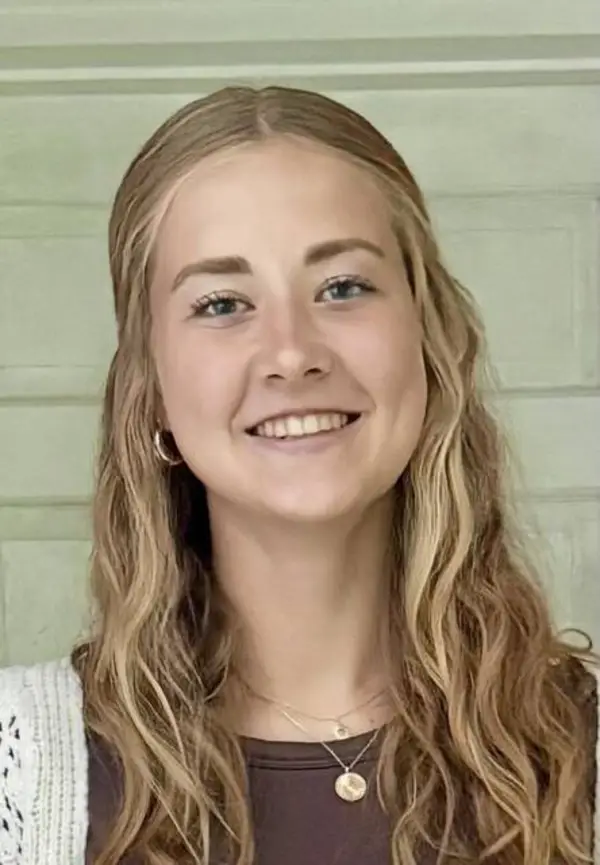
When Grace Copeland was a freshman, she fractured her right tibia and fibula and needed more than 11 months of recovery time to get back to playing soccer.
The setback opened her eyes to the struggles that can come with a substantial injury.
The Franklin Regional junior also watched several girls around her go down with torn anterior cruciate ligament injuries, many sustained on artificial grass.
That made choosing a topic for her AP Research class project fairly easy.
The title of her endeavor is: “ACL injuries in current PIAA female soccer players based on playing surface.”
“I got a better understanding of the toll that an injury and recovery takes on players,” Copeland said. “On top of that, I know and have heard of so many players from cup and high school soccer that have suffered from ACL injuries and also had to endure a very long recovery process. From these experiences, I have become more interested in athlete health and safety, as this recovery process can have so many long-term physical and mental effects. I wanted to do something that may provide insight in this area, and I have really enjoyed learning about the topic so far.”
Copeland, a standout defender who is likely to draw college attention as her senior season nears, was conducting a survey using a QR code to study girls soccer teams.
“ACL injuries are very complex, and there are many factors such as gender, muscular imbalances and shoe type that play a role,” she said. “I wanted to narrow this down to one factor to focus on in my research.”
Some of her early findings were inconclusive, which drove home the point of her class: more research.
“The current research surrounding the effects of artificial playing surface is inconclusive,” she said. “There were studies finding that turf resulted in more ACL tears as well as studies finding the same for natural grass.”
Copeland did her best to be objective but could not help but have an opinion on the subject of playing surface risks.
“As a player, I feel that turf is more taxing to play on, and I have heard similar sentiments from other players,” she said. “The relevance of the potential safety risk that turf poses to players with the increase in turf field installations across (Pennsylvania) is what drew me to looking specifically at the effects of playing surface on ACL injuries. I’m interested to see if there is any significant correlation between the the two playing surfaces in the data I receive.”
Copeland had planned to gather data into January before analyzing it and crafting the final product.
“The final research paper and oral defense presentation are due at the end of April,” she said.