
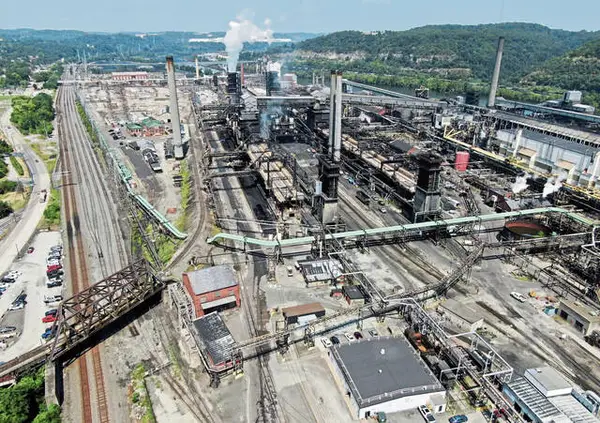
Everyone deserves clear and timely information about air pollution they may come into contact with. Residents of Southwestern Pennsylvania face a particularly high risk of breathing pollution from the region’s various heavy industries that rely on fossil fuels. This pollution can contain toxic chemicals and may result from day-to-day operations or accidents.
For example, the Mon Valley kicked off the new year with the overwhelming stench of rotten eggs: the result of high concentrations of hydrogen sulfide near the Clairton Coke Works. Meanwhile, in Indiana County, gas tanks exploded, destroying a compressor station building. And in Beaver County, excess emissions and industrial accidents, including a fire, continue at Shell Polymers.
Noxious smells and plumes of black smoke are evident causes for concern, but it is not always easy to determine what chemical compounds are present in the air and how they might affect the health of people downwind. One could argue that people should not be exposed to toxic pollution from heavy industry located near their homes, schools, and workplaces, but the reality of the situation is that they are. Furthermore, many people don’t know they’re at risk, and many who are aware don’t know what to do about it or where to turn for information.
Protection for these people can unfortunately be hard to come by. The Environmental Protection Agency (EPA) is currently undertaking what it has called the “biggest deregulatory action in history” by reconsidering, restructuring or terminating 31 regulations that support human health by setting standards for clean air and water. Americans rely on the EPA to create science-backed regulations that reduce pollution and protect health, but the rollback of these standards threatens hard-fought progress that took decades to achieve.
For example, the recent delay, and likely future rollback, of the federal methane rule will allow unfettered emissions from the region’s shale gas wells, including methane and its toxic co-pollutants. This rollback of protections also comes at a time when pollution is expected to increase in Southwestern Pennsylvania with an uptick in fossil-fuel extraction. A recent report estimates as many as 8,400 additional shale gas wells could be drilled in Pennsylvania, with a significant portion in the southwestern part of the state. At a time when pollution is increasing and regulations are becoming more lax, we can expect that more people will be facing higher levels of exposures and will be forced to advocate for their own health protections.
My organization, the Environmental Health Project, is committed to protecting the health of those who are impacted by oil and gas development, including those who live on the front lines of related industrial facilities and transportation corridors that bring hazardous chemicals past their homes. There are noted health risks from living and working in proximity to many of Southwestern Pennsylvania’s industrial facilities, particularly shale gas infrastructure and petrochemical facilities. Some of these risks include chronic fatigue, migraines, high blood pressure, asthma-related hospitalizations and cancers.
People have a right to basic information about the various chemical compounds to which they are exposed and the risks of those exposures, especially if those exposures are the result of a company operating nearby. To that end, the Environmental Health Project created an interactive tool that provides users with easy-to-understand details on exposure symptoms and health impacts of chemical compounds associated with industrial operations, including oil and gas facilities. This “Compounds of Concern” tool makes use of thousands of scientific studies to provide details on more than 60 harmful air pollutants, including their possible sources and how they may impact different organs and body systems.
Our team created Compounds of Concern in the aftermath of the East Palestine derailment with the recognition that those near a disaster often do not have quick access to information about unfamiliar and hazardous chemicals. To be clear, government agencies tasked with ensuring the health of their residents and the safe operations of various industries should be doing everything in their power to prevent such harms in the first place, and they should be sharing clear, timely information and health-protective guidance after accidents. However, we recognize that is not currently the case, meaning that the responsibility to research and take action often falls to those who are being harmed. Until there are more robust systems in place to protect public health, we hope that those who are impacted by chronic pollution exposures as well as extreme disasters can make use of clear, reliable, publicly available compilations of scientific research, such as this one.
Nathan Deron is program manager of the nonpartisan nonprofit Environmental Health Project, headquartered in Pittsburgh. Since 2012, EHP has worked to defend public health in the face of oil and gas development.