
As a 34-year-old engineer working in steel, I’ve noticed policy pressure heating up in the last year.
In November I posted a video on new developments in our local education, trades, energy and investments; all are anticipating steel demand increase. While many comments were enthusiastic, a few people commented that I’m dreaming — especially from a regulatory standpoint.
I’d like to lay out the case for optimism by addressing the pushback. But first, let’s get my bias out of the way: My grandparents worked in Western Pennsylvania steel, my parents still do and I’m over a decade into making mills more energy efficient, right here.
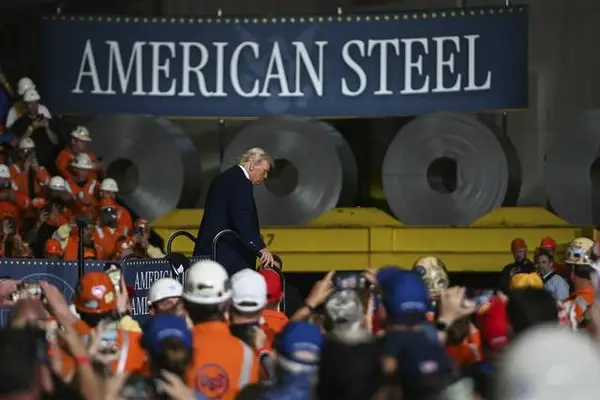
Pennsylvania has been active in steel news: Government influence like President Trump’s 2025 Innovation Summit visit, wider investment promises, but also accidents and people upset that other states received larger investments, such as Arkansas. Many of us in the sector are frustrated with slow licensing and inhibitive regulations. Despite the red tape, Nippon Steel announced moving its North American headquarters from Houston to Pittsburgh, Cleveland-Cliffs secured up to $75 million in Department of Energy funding for the Butler Works facility, ATI installed a new Bright Annealing Line at Vandergrift and an advanced manufacturing hub got up and running
Yes, U.S. Steel’s $3 billion Big River Steel expansion in Arkansas stung. That project delivered $2 billion in economic impact, nearly 5,000 total jobs, and $45.2 million in state and local taxes. Arkansas’ governor went on TV saying they would be making steel “before they would ever get a permit from Allegheny County.”
Surely, that’s enough to motivate our local government to improve the permitting process.
Because, cheaper wages aside, Arkansas doesn’t have what we have: proximity to Great Lakes scrap metal, established rail and river access, and hundreds of brownfield sites already zoned for heavy industry.
But, it’s a new era. No one is reopening 10,000 employee integrated mills with acres of parking. EAFs can run on 300 people and take a fraction of the old mill footprints, while producing at least a million tons a year. Specialty shops are increasing across the region, requiring advanced manufacturing, automation and controls, and energy optimization.
So what makes America the optimal place for production?
Because we have cleaner technology and a history of staying ahead of the curve. Over the past 60 years, we’ve shifted to electric arc furnaces making 70% of America’s steel through recycling scrap metal, with far lower emissions. What gets lost in the green messaging is that we also need to make steel from iron ore and coal with blast furnaces, and many of those need updating. U.S. Steel reinstalled a blast furnace in Illinois in December “to meet 2026 demand,” so integrated mills still have a role.
And steel plants have a tremendous opportunity to save energy. For example, some motors are the size of small houses, running constantly at full speed, even when the process doesn’t require it. I’ve worked with operations that cut electricity use nearly in half just by adjusting how the fans and pumps operate with intelligent motor control. Multiply that kind of tech across every energy-intensive process in the plant.
If the tech exists, why hasn’t this happened everywhere already? Capital costs, risk aversion and finding skilled people to maintain it.
Some commenters worried about being “automated out” of their jobs. I get that fear. But these systems need skilled electricians, pipe fitters and welders — trades AI won’t replace. They also need engineers, computer science graduates and data scientists to optimize performance. Vocational programs are resurging. If mills partner with them on apprenticeships, we’ll attract young people to good-paying careers that don’t require four-year degrees.
Drive through Johnstown or New Castle today and you’ll see what happens when steel towns can’t compete: empty mills, shrinking populations, communities that never recovered.
Pittsburgh survived because it diversified into medical technology and software while other steel towns doubled down on one industry. Now Pittsburgh has a chance to apply that same innovation mindset to steel itself.
The steel industry my grandparents knew is gone. But that doesn’t mean steel’s future in Pittsburgh is gone too. It means we need to build something different — better systems, cleaner processes, trained workers and the political will to make it happen.
The past decade isn’t what 2030 will look like for steel. The only question is whether Western Pennsylvania will be part of that future or watch it happen somewhere else.
Jake Maruschok is an energy engineer at Energy Drive.