
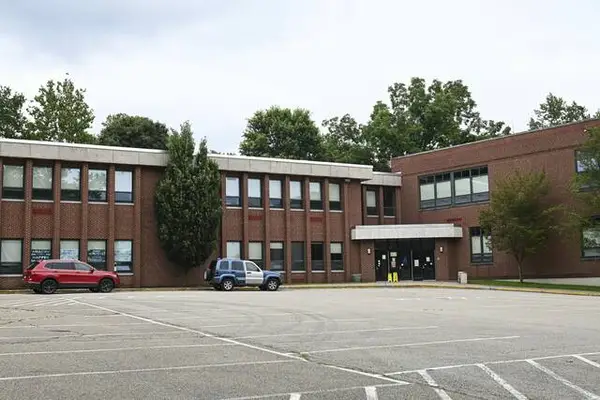
As New Kensington-Arnold School District officials consider realigning district buildings, they’re also considering an addition to Martin Elementary School.
But how an addition there might look like is still under review.
“This is obviously a large project that takes into (account) many different aspects of the district,” said Board Member Tim Beckes.
Superintendent Christopher Sefcheck in January established task forces to determine how best to realign district buildings. They’re expected to present a recommendation to the school board this spring.
“A lot of work has been done in the recent past to change the culture, and Dr. Sefcheck has alluded to some fact-based analysis here that this could make a significant impact on our outcomes in the district,” Beckes said. “In my mind, we take a couple extra months to decide what that is. We have a better chance of success in the end.”
Currently, the district’s Martin Elementary is kindergarten-only, H.D. Berkey is first and second grades, and Roy A. Hunt holds students in third through sixth grades.
One potential project includes adding eight or 10 classrooms onto Martin. District officials aren’t yet committing to a number.
Not only will district leaders consider the educational recommendation, they will also look into finances before committing to a building addition plan, Beckes said.
“Organically, the conversation came up about needing more space at Hunt, and that’s when the realignment really came to light,” Sefcheck said. “This is an opportunity to do better things academically because of the needed space.
“Realistically, we have a football field at Hunt that we could add on to. That would be the easy way, just adding space onto Hunt. But that doesn’t really solve the 10-year issues we have with the way it was realigned before.”
While districtwide enrollment has remained flat — 2,010 students last school year — its special education population has grown, said Business Manager Jeff McVey. According to the state department of education, 28.5% of district students were special education students in the 2024-25 school year, up 3.5% from the 2023-24 school year.
“The special ed population needs more classroom space because you have specialized instruction that isn’t done in the classroom,” McVey said.
Beckes asked Sefcheck what the expected outcome is of its realignment.
“I see improved academics, period,” Sefcheck said. “If you want indicators, you would say that you would have more kids able to read by third grade. You would have less transition issues from eliminating the number of transitions.”