
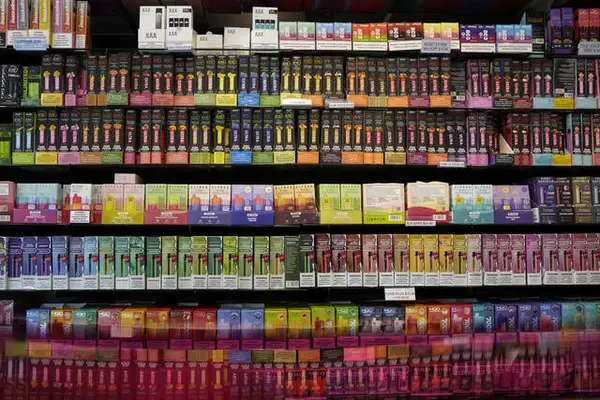
The Food and Drug Administration said Monday that it would open the door to e-cigarettes in flavors that it deems appealing to adults, shifting from the agency’s unsuccessful ban on fruit and candy-flavored versions that have continued to flood the market.
The agency said in a document released Monday that it would consider vapes in flavors such as mint, coffees, teas and spices, possibly including clove or cinnamon. The FDA said it would continue to reject those offering sweet or fruity flavors that are more appealing to teenagers.
Vaping policy has been contentious at the FDA since 2019, when Juul and other flavored vape use spiked among high school students and was labeled an epidemic. President Donald Trump banned most flavored vapes at the end of that year. Since then, surveys have showed a considerable decline in high school vaping.
The Trump White House views vaping as an election issue, with many MAGA voters embracing e-cigarettes and Trump having promised during the campaign season to “save vaping again.”
The new approach did not please public health groups who reviewed the policy Monday.
“Allowing any flavors on the market benefits only corporations and harms public health,” said Kelsey Romeo-Stuppy, the managing attorney of the public health group Action on Smoking & Health. “That is not a gamble we should be willing to take.”
Luis Pinto, a spokesperson for Reynolds American, which sells Vuse vapes through a subsidiary, said the company supported “safer nicotine alternatives” to help adult smokers migrate from cigarettes.
The agency’s new direction for vaping dovetails with the moves at the White House to shore up support among voters, including adults who vape, as it heads into the midterm elections. Those voters tend to dislike curbs or regulations that limit their choices on many things, including e-cigarettes.
The FDA regulates electronic cigarettes based on a 2009 tobacco control law that is meant to favor products that protect the broader public health. In practice, that has meant that e-cigarette companies applying for authorization have had to prove that their products will help adult cigarette smokers quit — while also avoid hooking young people. Products in the new flavors would face the same calculus.