
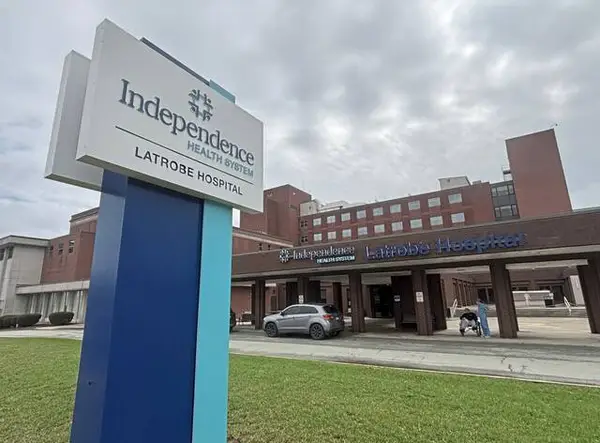
West Virginia University Medicine’s pending takeover of Independence Health System would reduce competition and likely drive up patient costs, according to the Health Care Affordability Lab at Yale.
A report released Monday by the lab found the acquisition would make parts of Fayette and Westmoreland counties even more severe “red zones,” or areas where there’s not enough competition between hospitals to keep prices down.
The ratings were based on antitrust guidelines used by the U.S. Department of Justice and Federal Trade Commission, which factor in the number of surrounding hospitals, their bed count and whether they have the same owner.
“This is a merger that seems, on its face, to be pretty clearly problematic,” said Zack Cooper, the lab’s director and a professor of public health at Yale. “I wouldn’t be shocked if the FTC got involved in this transaction.”
Independence announced plans in November to join WVU Medicine, a 25-hospital network based in Morgantown that’s expected to swell to 30 this fall if the deal passes muster with regulators. Butler Memorial, Clarion, Frick Latrobe and Westmoreland hospitals make up Independence.
The swath of Southwestern Pennsylvania that concerns Cooper includes Independence’s Frick Hospital in Mount Pleasant, WVU Medicine’s Uniontown Hospital and Penn Highlands’ Connellsville Hospital.
The deal between Independence and WVU Medicine would reduce the number of hospital owners in the area to two from three. Consolidation gives health systems leverage to demand higher reimbursements from insurers. When the cost of claims goes up, patients tend to face steeper out-of-pocket costs and premiums.
The Connellsville facility, one of nine in the Penn Highlands system, would see the largest increase in leverage over insurers, according to the report.
Independence and WVU Medicine declined to comment Tuesday.
The Yale lab also looked at the possibility of UPMC acquiring Trinity Health System, a four-hospital network in eastern Ohio, and determined there would be no impact on competition. Negotiations have been going on since at least October.
Heritage Valley Health System’s absorption into Allegheny Health Network was not mentioned. That deal is also still in progress, with the Pennsylvania attorney general’s review process nearing its end as of mid-February.
Looking at all U.S. hospital mergers this century, the report found 429 of 1,331 deals, or 32%, created or worsened red zones. In Pennsylvania, 35 of 100 mergers, or 35%, were classified are harmful to competition.
Red zone mergers raise prices by an average of 6%, the lab says.
Prior research from Cooper shows higher health care prices in a region can also lead to layoffs as companies who sponsor health insurance seek ways to cut costs.
“This isn’t abstract,” he said. “When hospitals merge and prices go up, people outside the health care sector lose their jobs as a result.”