
We don’t know who invented the first wheel. We do know everything that came after it — SUVs and bicycles, gas stations and turnpike exits clustered with fast-food drive-thrus.
We know a lot about space travel. We know how it evolved from flight and rockets and an insatiable curiosity about what lies beyond our reach.
A challenge issued in 1962 by President John F. Kennedy was realized in 1969 when Neil Armstrong left his boot prints on the moon.
Since then, our interest in space has ebbed and flowed, although our instinct to utilize it hasn’t. Rockets gave way to shuttles and then space stations. We spend more time placing satellites than sending people into space. Boots haven’t touched the lunar surface in decades.
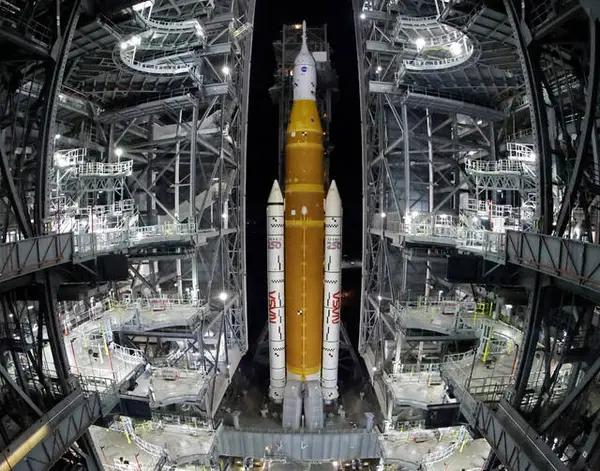
NASA’s Artemis II project brings renewed attention to the nation’s space program. It comes as what lies beyond our atmosphere has become increasingly private, with independent companies stretching the bounds of what we can do and dream.
The most prominent example is SpaceX. The New York Times reported Wednesday the company was planning to make an initial public offering, something it described as a “generational moneymaking event.”
This kind of reach for new frontiers in exploration and invention — and new horizons in capitalism — is not confined to the traditional geography we associate with space. It does not begin in Florida and end in Texas.
Some of it takes place in Pittsburgh.
Pittsburgh-based Astrobotic is already doing that work. It is building the pieces that make space more than a destination — wheels that can last for years on the moon, delivery systems to carry payloads for a price and solar arrays that could power a permanent presence.
Work like that isn’t science fiction. It is jobs and contracts, suppliers and partnerships bigger than one company. It is the evolution of business into industry.
Those mobile lunar outpost wheels, like Astrobotic itself, are part of a larger architecture. Like Pittsburgh, they are a building block — not just for one mission, but for what comes next.
We don’t know who invented that first wheel, back in a time before anyone thought to mark those watershed moments. We do know what came after.
Getting to the moon was inventing the wheel. What comes next looks a lot more like maintaining the road — and making sure places like Pittsburgh get to be a part of it.