
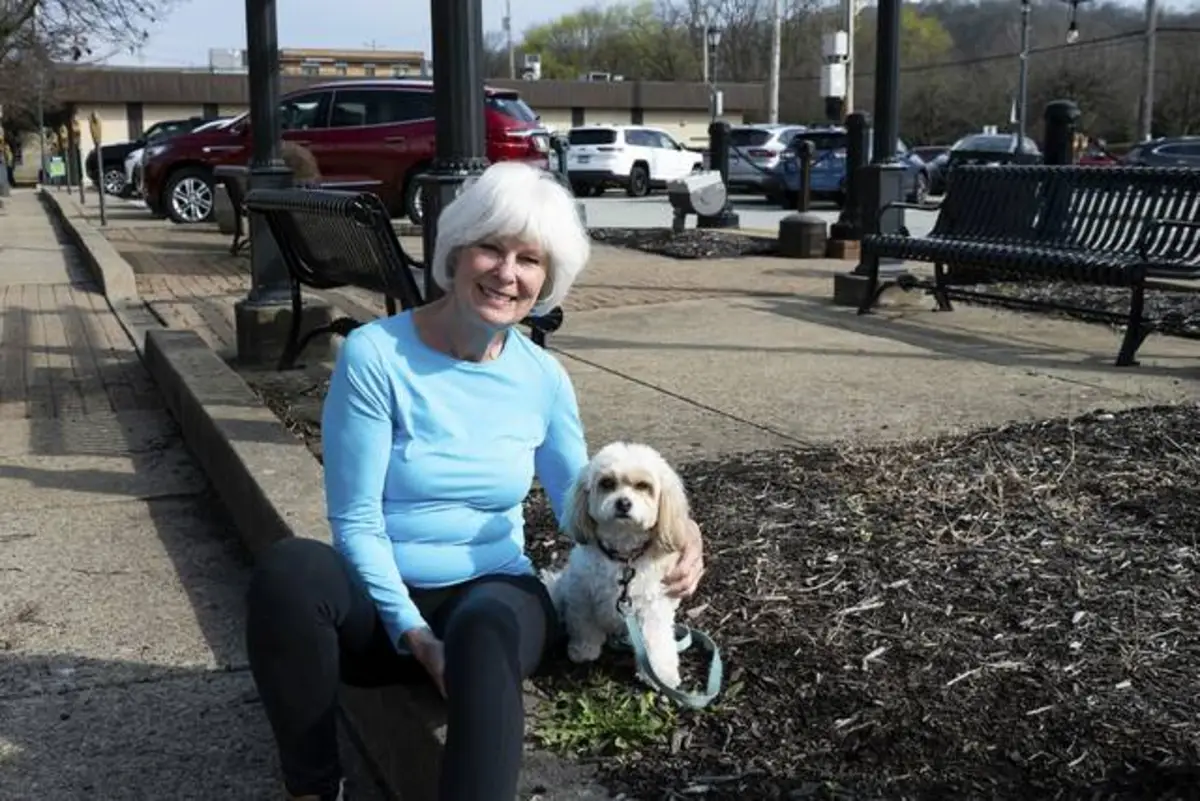
Pam Dickinson hopes to beautify her Aspinwall neighborhood, even if it’s one little green patch at a time.
The First Street resident plans to install a butterfly and pollinator garden along Commercial Avenue in the borough’s business district, just a block or so from her home.
“I always walk by there with my dog,” Dickinson said. “It’s just a little spot of land, and I kind of dismissed it.
“I’ve been learning if everybody does something to make a difference, then it adds up.”
Dickinson was awarded the Aspinwall Neighbors Community Grant to help fund her project.
The advocacy group launched an initiative last year to dole out $1,000 grants for resident-led projects that bring neighbors together and strengthen the community. Applications are reviewed on a rolling basis.
“We were excited to receive Pam’s thoughtful application that takes an unused public space in the heart of our borough and transforms it into a beautiful space for the community to connect with and learn about native plants,” said Ian Winner, program lead for the Community Grants program.
“Pam’s project is a perfect example of the solution-oriented approach we love to see in our town.”
The garden will be developed in partnership with the borough. It seeks to transform unused planting beds near the Commercial Avenue parking lot into a vibrant habitat of native plants supporting bees, butterflies and other pollinators.
It’s expected to provide education in a welcoming space for neighbors and visitors.
Volunteers sought
Volunteers can help prepare the site during the borough’s annual Green Streets cleanup event from 1 to 4 p.m. April 26. Planting is scheduled in May.
In addition to sprucing up the block, the garden is a sustainable project that will protect wildlife.
It will include up to 30 native perennials and small shrubs, along with educational elements that include plant labels, an insect hotel for mason bees and a shallow “puddler” where butterflies and other pollinators can get water.
Selected flowers are designed to bloom from spring through early fall, providing a pop of color and attracting pollinators that are essential to the environment and human survival.
According to the U.S. Department of Agriculture, pollinators — bees, butterflies, beetles, moths and more — facilitate the reproduction of more than 75% of the world’s flowering plants and roughly 35% of food crops.
They are critical for the survival of wild plants, which support healthy ecosystems by cleaning the air, stabilizing soil and supporting other wildlife, according to the USDA website.
Dickinson, a lifelong gardener, has cultivated a colorful backyard habitat since moving to the borough about a decade ago. A 2025 trip to Mexico solidified her interest in butterfly conservation — the key to which is the charismatic monarch, she said.
“They are so beautiful and remarkable,” she said. “Caring for them is very easy. And when you support them, you support all of the other less-noticeable aspects of our ecosystem.”
Inspired by the experience, she expanded milkweed plantings at home and helped her grandson raise and tag monarch butterflies through Monarch Watch citizen science efforts.
Aligns with state program
Dickinson’s project aligns with an undertaking by the state Department of Conservation and Natural Resources, which announced that it will cover the costs for residents to remove invasive trees and shrubs and replace them with native species at their homes.
The Pennsylvania Invasive Replace-ive Program provides up to three native plants per property. They are distributed at designated events in May.
“Invasive plants disrupt natural habitats and make it harder for wildlife to flourish,” DCNR Secretary Cindy Adams Dunn said in a release. “Replacing invasive trees and shrubs with native plants helps restore healthy landscapes and supports the birds, pollinators and other wildlife.”
There are more than 2,000 native species in Pennsylvania.
This isn’t Dickinson’s first attempt to beautify the borough. She previously planted window boxes outside Sam’s Tavern in the Wall along Commercial Avenue before it closed last year.
One of her favorite books, “Nature’s Best Hope” by Douglas Tallamy, taught Dickinson the premise that 80% of the Earth’s land is owned by people.
“If everybody makes an effort, it makes a difference,” she said.
“If we plant a butterfly garden here, everyone can enjoy the flowers and birds — and learn.”
Part of ‘pollinator pathway’
Plans also include adding the site to the Pittsburgh Pollinator Pathway map to help connect pollinator-friendly habitats across the region.
Dickinson hopes the project inspires others to make sustainable changes in their own backyards.
Borough Manager Melissa O’Malley said the project is a perfect example of what makes Aspinwall special.
“It’s neighbors stepping up to work together in spaces that are both beautiful and beneficial for the environment,” she said.
For Dickinson, it’s simple.
“This project makes me happy,” she said.
“When you look at all the things about the environment, it’s depressing sometimes, the things you read.
“This is hope.”