
The Trump administration is accepting legal defeat in its effort to limit critical funding for research institutions, including the University of Pittsburgh and Carnegie Mellon University, after its window to petition to the U.S. Supreme Court closed this week.
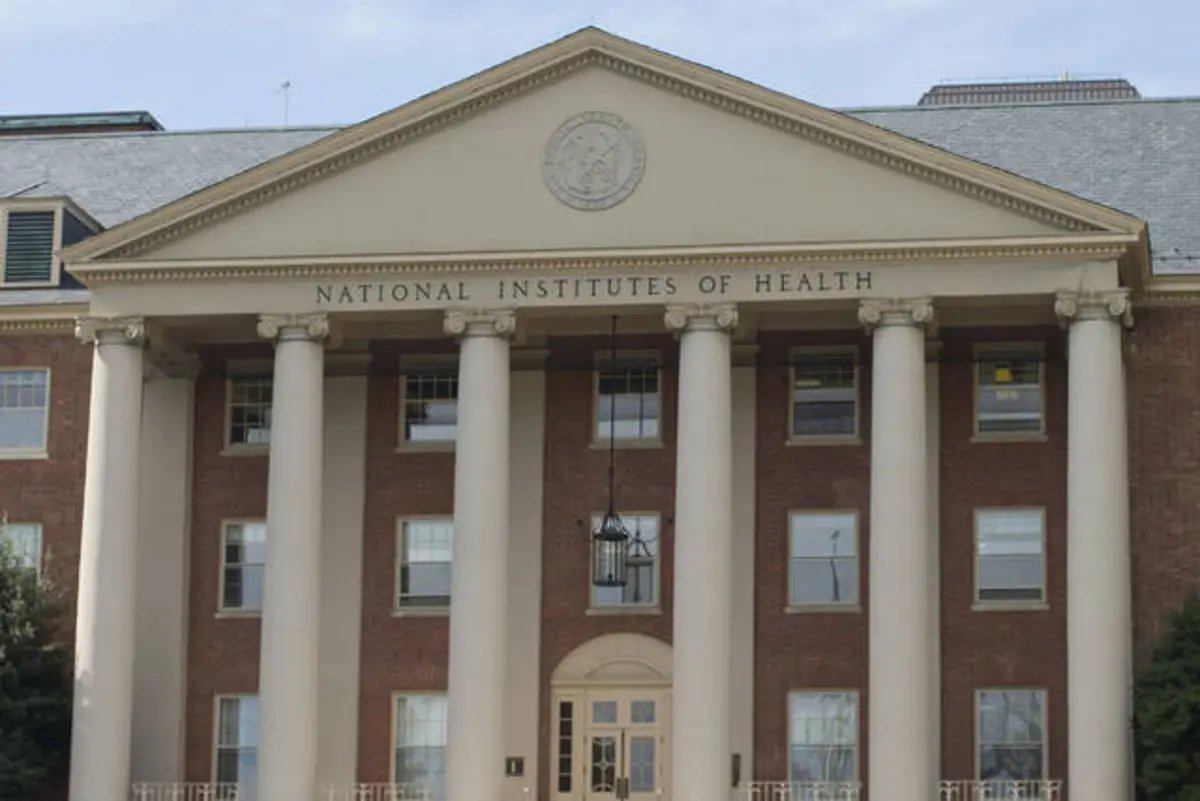
In February 2025, the National Institutes of Health announced a cap on the amount it will reimburse researchers for overhead expenses, such as utilities, supplies and support staff, a move it claimed would save more than $4 billion a year.
The proposed limit was 15% of the cost of the research itself, excluding certain items like major equipment or patient care. On average, organizations get a 27% reimbursement rate, but precise payments depend on individually negotiated deals with NIH.
The system is complex, partly explaining why it’s a target for reform.
But the Trump administration’s way of going about it has not flown in federal court. A host of states and medical groups immediately filed legal challenges in U.S. District Court in Massachusetts, arguing the government was violating federal grant rules and jeopardizing vital research. The judge sided with the plaintiffs.
An effort to overturn the ruling failed in the U.S. 1st Circuit Court of Appeals on Jan. 5, starting a 90-day clock that has come and gone for the Justice Department to request Supreme Court intervention. The agency did not immediately return a request for comment.
“It’s good to have finality,” said Heather Pierce, senior director for science policy and regulatory counsel at the American Association for Medical Colleges, one of the groups that sued the Trump administration.
But how to handle indirect costs going forward remains an open question.
The American Association for Medical Colleges and other industry groups are advocating for a new research funding structure they say will improve transparency and accountability. Conversations with Congress to advance these priorities are “productive and ongoing,” Pierce told TribLive Friday.
The Trump administration has also failed in its efforts to cut indirect funding from the National Science Foundation, the Department of Energy and the Department of Defense.
Pitt and CMU did not immediately return requests for comment. When NIH first moved to cap indirect costs, the universities were at risk of missing out on $200 million in expected funding.