
In preparation for the vast crowds expected to flood Pittsburgh for the NFL Draft, proactive steps are being taken.
Businesses are allowing — or encouraging — employees to work from home. Pittsburgh Public Schools will have students attend remotely. Allegheny County courtrooms won’t close down, but they won’t be working at full capacity either.
The message is clear: With up to 700,000 football fans descending on the Steel City, locals who don’t need to be in the mix should stay home.
But what if you don’t have a home?
The area is nearing the end of months of effort to present the best, cleanest, most beautiful face possible. The Point Park fountain had a makeover. There are campaigns to pick up litter.
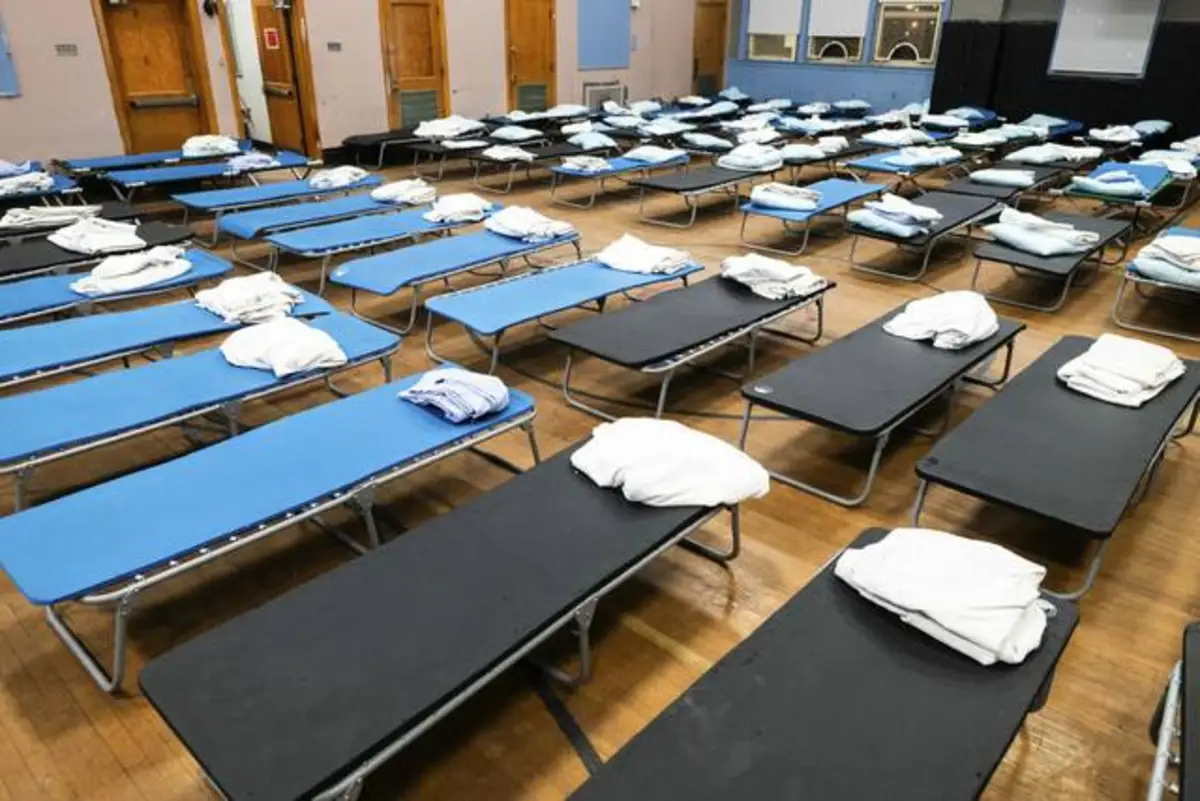
Sweeping the streets of people experiencing homelessness has not been part of the announced plans to “redd up” Pittsburgh. It is, however, how other cities have approached the issue. In New Orleans, a temporary 200-bed shelter was set up 7 miles away from the Caesars Superdome ahead of the 2025 Super Bowl and Mardi Gras. Atlanta relocated or dismantled encampments and arrested homeless people around the 1996 Olympics.
Now, as Georgia prepares to host matches for the 2026 FIFA World Cup, state lawmakers have passed legislation targeting activities like loitering, panhandling and public camping, making municipalities financially liable to property owners for the offenses.
The instinct is, in some ways, understandable — perhaps even logical. This is a problem. Fix the problem. Make the city pretty for the tourists.
But language matters. Are the homeless a problem to solve, or is homelessness an issue to address?
It may seem semantic, but when the “problem” is seen as the people, the language affects the attitude. It’s the difference between going into an area and tossing the few things people with nowhere to go have, or planning ahead to address the complications that will affect them.
The unhoused, after all, are still locals. They still have a right to be proud of their city and to experience a once-in-a-lifetime event. They also have the same ability as other yinzers to be frustrated by the way it may disrupt their lives.
For example, some homeless individuals live in their cars. The price of parking is going to explode over the three days of the draft, meaning those people would have to head farther out of town. That could impact their jobs. Yes, some homeless people hold down jobs, including the service work in restaurants and retail that can’t be done remotely.
Jerrel Gilliam, executive director of Light of Life Rescue Mission, is worried about the way people experiencing homelessness could be treated during this spotlight moment.
“They’re no longer seen as neighbors,” he said of the way some cities approach these events. “They’re dehumanized.”
The city and surrounding areas have been dealing with homelessness for years. There are about 200 people living outside and another 600 households in emergency shelters. It’s not something that can be solved on a schedule just because of a marquee sports event.
It also can’t be something forgotten on April 26, when the tourists and the athletes and the cameras depart. In New Orleans, the shelter erected for the Super Bowl disappeared after Mardi Gras.
Pittsburgh cannot hide its unhoused neighbors during the NFL Draft. But if all of the remarkable steps being taken to prepare for this three-day moment in the sun can be managed with planning and cooperation, there has to be a way to find a solution to homelessness instead of a punishment.