
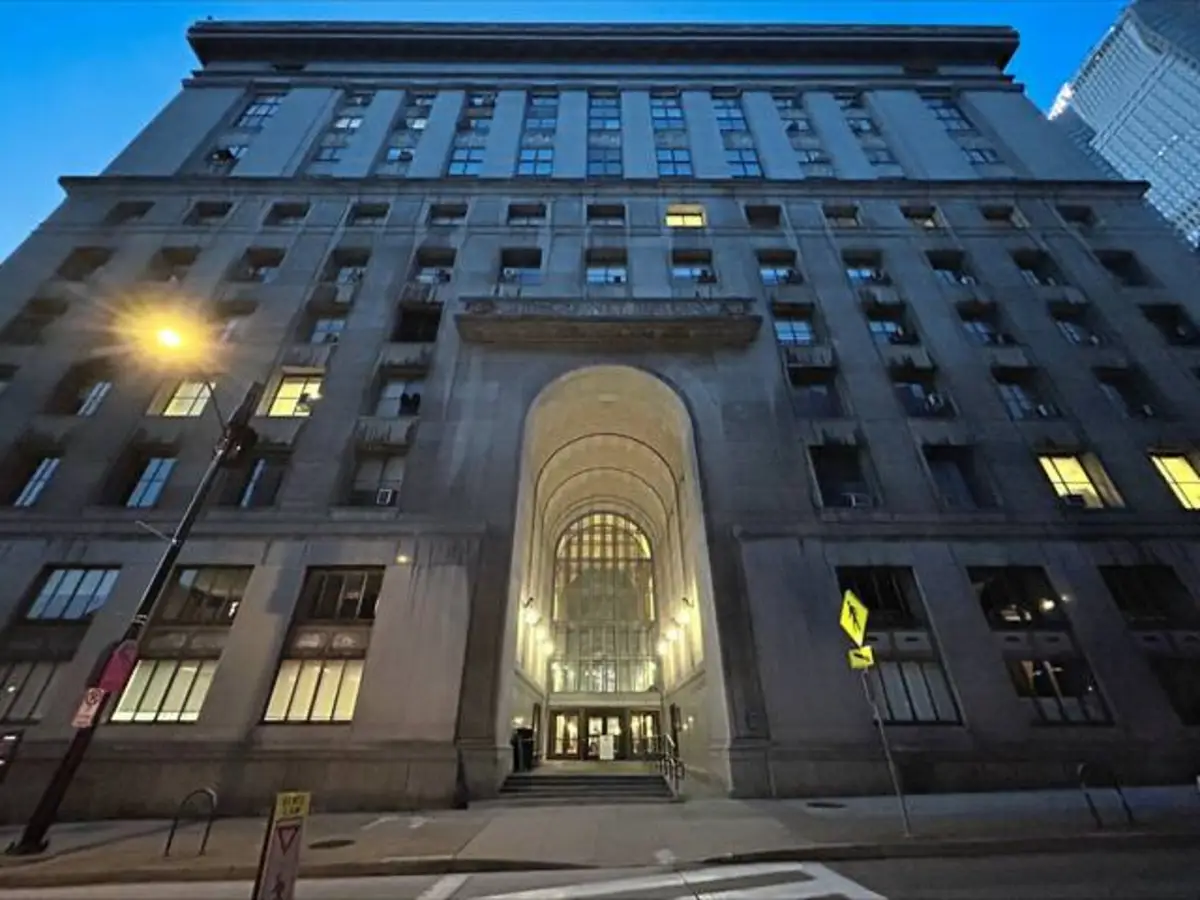
A judge Wednesday refused to let the public see a search warrant and affidavit served on the City of Pittsburgh last month, finding the prosecution has sufficient justification for keeping the documents hidden.
Among the reasons cited by the Allegheny County District Attorney’s Office to seal the paperwork was a fear expressed by some witnesses that they might be subject to retaliation.
The search warrant was executed March 23 and placed under a 60-day seal by Allegheny County Common Pleas Judge Jill E. Rangos.
It is not known what records the DA is seeking.
Adam Tragone, an attorney with the Cornell Law School First Amendment Clinic in Western Pennsylvania, filed a motion to unseal the search warrant and accompanying affidavit laying out the details of the records being sought, on behalf of Michael Wereschagin, an editor at the Pittsburgh Post-Gazette.
“The news media and public have a presumptive right to access to judicial documents,” Tragone argued. “Because of the presumption of openness, it is the burden of the commonwealth to show why sealing is necessary.”
Tragone said making such records open to the public discourages perjury in affidavits and puts a check on authority.
Deputy District Attorney Jon Pittman told Rangos that the city has still not turned over all of the documents that are sought in the warrant.
Pittman cited three reasons why he believes the documents ought to remain under seal.
Keeping the records out of the public eye, Pittman said, will protect the integrity of the investigation, as well as the reputation of those identified in the documents in the event no charges are filed.
“The commonwealth fears the tampering of evidence, the destruction of evidence and the fabrication of evidence,” Pittman said.
Further, he argued that if no charges are filed, and information about what was sought is publicly released, it could hurt reputations.
“The damage to the reputation of these individuals —some of which are public figures — would already be done,” he said. “You can’t unring the bell.”
Additionally, Pittman told the court that a number of people identified in the search warrant requested anonymity, expressing “actual fear of retaliation” were information about their cooperation to be released to the public.
He did not provide details.
Tragone countered that none of the reasons offered by the prosecution provided enough specificity to overcome the presumption of openness.
“There’s nothing specific being shown … that the government has enunciated on the record,” Tragone said.
But Rangos disagreed.
As the judge who initially approved the sealing after reading what she called the “quite lengthy” affidavit, she said there were facts offered to support the DA’s sealing request.
“Until the commonwealth conducts an investigation, it is not at a point where it can say with certainty that charges will be filed against anyone,” she said. “Reputations would be damaged. That can’t be repaired. That can’t be taken back.”
It is not known whether the warrant sought records pertaining to the administration of Pittsburgh Mayor Corey O’Connor or that of his predecessor, Ed Gainey.
O’Connor told TribLive last month the DA is seeking information about contracts, among other things.