
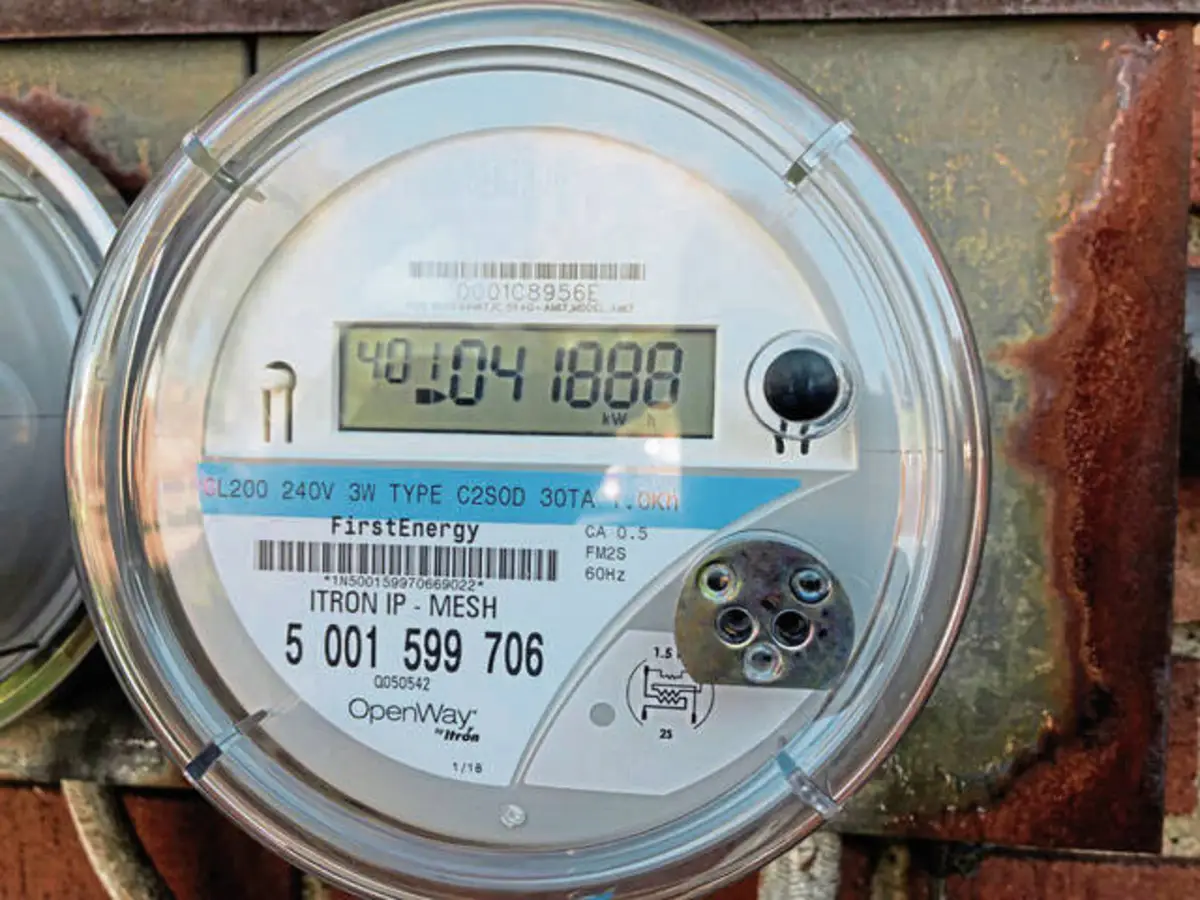
Electricity isn’t a luxury. It’s a critical part of daily life — especially in a state where many people rely on it for heat.
Losing power is disruptive. People are reminded of that every time a storm knocks out the grid. But for many Pennsylvanians, the bigger threat isn’t losing electricity for a few hours or days. It’s losing the ability to afford it at all.
The price of power is rising steadily even as new facilities are planned or built across the Keystone State.
That is because the cost of electricity is not set by a single decision or a single office. Utilities must invest in infrastructure to keep the grid reliable, and those costs are passed along to customers.
Demand for power is increasing, driven in part by energy-hungry data centers and a more electrified daily life. Prices also are influenced by regional wholesale markets, where electricity is bought and sold before it ever reaches a home. Each piece adds pressure, and none of them can be changed with a simple directive.
Gov. Josh Shapiro recently wrote to utility leaders, pushing back against the increases, according to Spotlight PA.
The steady rise of electric prices has reached a “tipping point,” he wrote, saying it was time “to put your customers first and change the behaviors causing rate increases.”
The governor isn’t wrong. People get their electricity bill after the fact. There’s no ticker by the light switch warning you how much your bill will be if you flick it on. Instead, it’s a shock to the system when you open your mail — and that shock is only growing.
The governor’s letter is a welcome defense of Pennsylvanians, but it also feels like performance art in an election year. He can shake his finger at energy companies and voice his stern disapproval like a sitcom dad. It doesn’t change the fact that there is little he can do to stop the increases.
What would help is clear legislative action, signed by the governor, to draw narrower lanes for utilities when it comes to price increases. More strings on data centers drawing on the grid would require the same cooperation between lawmakers of both parties and the executive branch.
Spotlight PA reported a record number of customers had their service shut off for nonpayment in 2025. With costs continuing to rise, something has to give. It seems like that will be the most financially strapped customers.
That means more people will go without electricity as those in power do little to stop it.