
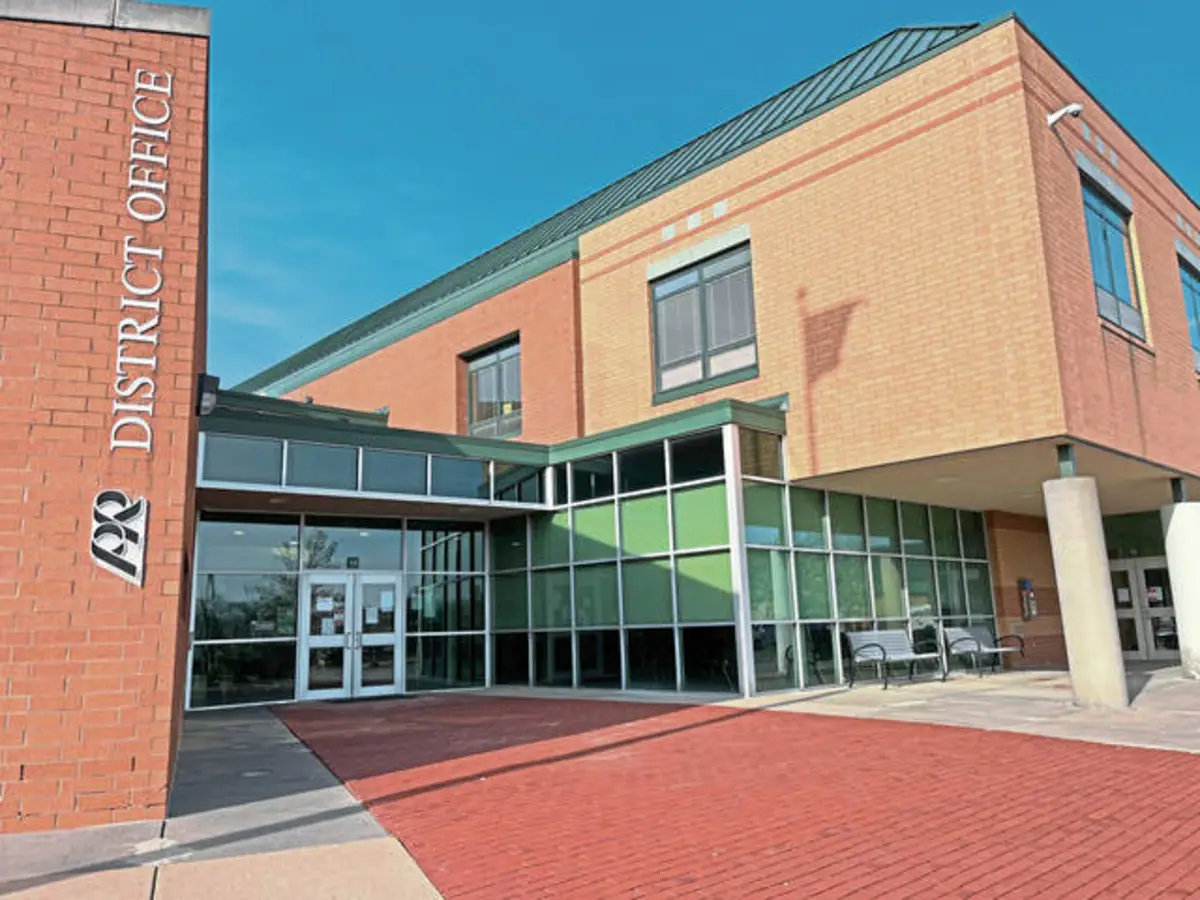
Pine-Richland School District’s proposed budget for next year includes a 5.29% property tax increase and cuts to some programs.
The $115.55 million proposal calls for a millage rate increase from 19.5867 mills to 20.6228 mills.
For a home at Pine’s $332,200 median assessed value, the annual school tax bill would be $6,850 — a $344 increase. A home at Richland’s median $169,000 assessed value would be $3,485, or a $175 increase.
The increase exceeds Pine-Richland’s state-imposed inflation limit of 3.5%, but the state department of education approved special education exceptions for the district, which total $1.157 million and equate to the additional 1.79%, said Erin Hasinger, district spokeswoman.
Hasinger said there are “significant expense reductions” with personnel, textbooks and resources, technology, supplies and programs in the proposed budget.
In the proposal, four middle school athletic teams would be cut. Some positions would be reduced through attrition.
“It also includes other forms of alternative revenue such as increased activity fees, advertising, cost sharing and more,” Hasinger said. “Decisions are still being finalized.”
If approved, the budget would be the first tax increase in Pine-Richland since the 2017-18 school year.
Superintendent Brian Miller recommended a property tax increase last year. The majority of board members at the time moved forward without a tax increase.
Hasinger said district administration has held 18 public finance meetings since fall 2024. Those meetings reviewed finances “and the why behind our current budget recommendations.”
“All of these meetings were recorded, and the community is encouraged to watch to understand our position,” she said.
Operational expenditures in the proposed budget are about $109.7 million and total revenues are about $110.3 million. Additional expenditures use budgetary reserves for capital projects — such as HVAC replacements in two buildings, a roof replacement and paving projects — in an approach to reduce the total cost over time, Hasinger said.
The school board on May 4 voted 6-3 to approve advertising the proposed budget. Members Randy Augustine, Amy Cafardi, Marc Casciani, Liz DeLosa, Ashley Fortier and Melissa Vecchi voted in favor. Leslie Miller, Philip Morrissette and Michael Wiethorn voted against.
A final vote on the budget is scheduled at the school board’s June 8 meeting.
Local impact
Hasinger said Pine-Richland is more reliant on local revenues than most other public school districts in the state. About 79% of Pine-Richland’s revenues are primarily from real estate and earned income taxes.
In Allegheny County, the district ranks third-lowest in state revenue and lowest in federal revenue per student.
Like most county school districts, Pine-Richland grapples with the negative impact of the common level ratio. Pine-Richland projects a $4.7 million structural deficit in next year’s budget driven by the common level ratio.
The common level ratio is a state statistic derived annually from real estate sales data. It provides a method to adjust a current sales price to reflect what the property would have sold for in the 2012 base year, the last time Allegheny County completed a reassessment.
In 2022, the county was sued by a group of taxpayers challenging the accuracy of the common level ratio, and the figure has decreased in recent years. This year’s common level ratio is 50.1%, meaning assessed property values in the county are set at about half of current fair market value.
“The impact of the common level ratio over the past few years has been felt more significantly,” Hasinger said. “Residential and commercial growth is also slowing.”