
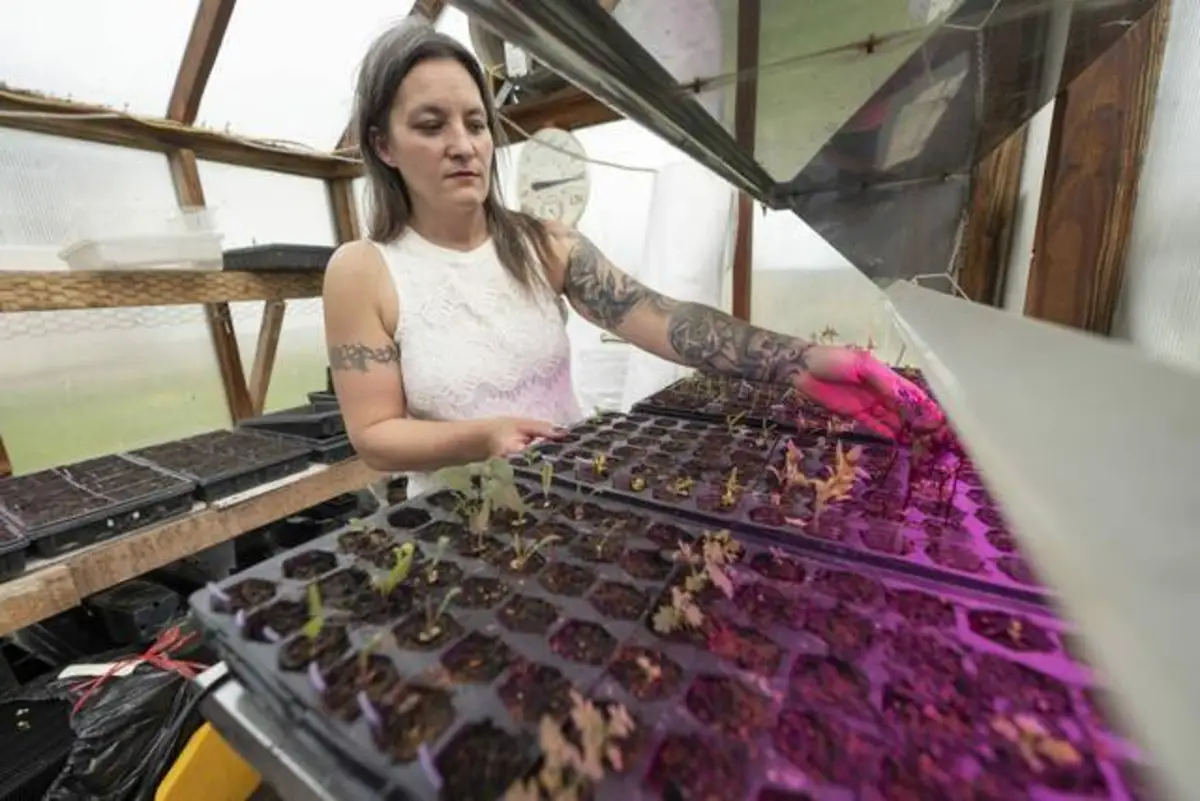
Less is more for some folks choosing to live versions of an off-grid lifestyle in Western Pennsylvania.
Ditching modern conveniences and technologies for a simpler, more eco-friendly and less-stressed life appeals to those looking to save money, help the planet and know where their food is coming from.
Living off-grid, or some version of it, includes lifestyle practices that allow people not to rely on public utilities for power and instead harness natural resources for food, energy and water.
It’s legal in Pennsylvania. And those with rural land find the most off-grid opportunities because homeowners can utilize acreage for a farm, garden, livestock, alternative energy systems. Additionally, rural communities typically have less restrictive zoning and building codes.
According to a 2020 study by HomeAdvisor, the top 10 states with the most off-grid residents are California, Colorado, Arizona, Oregon, Hawaii, Florida, Alaska, Utah, New Mexico and New York.
TribLive interviewed Western Pennsylvanians and learned how they are choosing various aspects of going off-grid.
Off-grid goals
Brandi Umbaugh said it was always a personal goal to live off-grid to the max.
“I don’t own a computer or printer,” Umbaugh said. “We are on grid with electric at the moment but are actively looking to move to solar.”
The Stahlstown resident owns and operates Mountain Sky Farm near Ligonier and there, she’s implemented an extensive rain water collection system that diverts thousands of gallons of rainwater from the barn roof.
It’s enough water to run all 70 acres of Sky Farms. A natural spring supplies water for her home.
The dogs at Sky Farms are used for tools, not pets.
“They work for the farm as herding, protection and livestock dogs,” Umbaugh said.
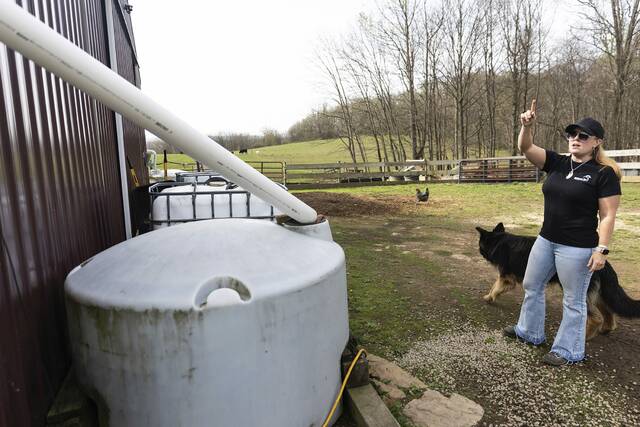
Sky Farms sells about 60 eggs daily, makes and sells raw honey made from a 22,000-bee apiary and uses a feed mill to grind all of their feeds for their animals.
“We grow our own garden and food. I produce my own beef, chicken, turkey, pheasant and I do it all from day 1 until butcher. We trade our meat products for pork,” Umbaugh said.
The Umbaugh family hunts deer on their property and forages wild mushrooms from the land.
Ditching the ‘system’
Kira Karpinski is no stranger to country living. During the pandemic, she began noticing supply chain issues and rising utility costs.
Karpinski lives on a small farm with her husband and four children in Gilpin, Armstrong County.
“The off-grid lifestyle looked like a great way to save money and be less dependent on the system,” Karpinski said.
Their farm is dubbed Anarchy Acres Farmstead. Everyone in the family pitches in to tend to the livestock, collect eggs and tend to the chickens, manage the vegetable gardens and tackle other farm chores.
“The lifestyle we live in generally saves us money. I garden and preserve a year’s worth of food. We raise animals that could be butchered for meat and have dairy goats for milk.”
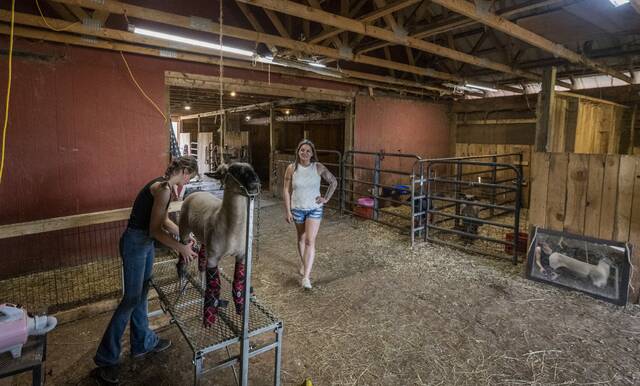
With a deep well, the family doesn’t have a water bill and Gilpin Township has no sewage fees.
Additionally, the Karpinskis use a wood stove and have installed a 1,000-gallon rainwater holding tank that operates from a jet pump, which can run off of a generator. To service their barn, they made a shallow hand-dug spring.
“What I like best is when the power goes off, it’s mostly life as usual around here,” said daughter Harlee Karpinski, 16.
Van life
Summer Smith, 44, took her off-the-grid lifestyle on the road. She works as a nurse and lives full-time in a customized cargo van.
Smith, who grew up near York, Pa., saw a story on Facebook about living in a van. She bought her first cargo van, named Charlie, in 2020.
“My mom thinks I’m crazy and she worries about me a lot, but my dad thinks it’s neat,” Summer said. “I was totally burned out before, working in pediatric home care nursing, and I’m back doing that now. It’s not a travel job. They have offices around the country so I could transfer.”
Summer watched countless YouTube videos on converting a van for living and completed the work herself.
“When my daughter left for college at IUP, I did, too,” recalled Smith, adding she grew up in a family that didn’t travel and she always had wanderlust.
Six years later, Smith is on her second van, this one dubbed Big T.
She paid $65,000 for the van and converted it into her year-round home, complete with a bed, portable toilet, single-burner butane stove, heat and ceiling fan, a specialty cabinet to store a kayak and a living area.
She calls herself a “van lifer.” The longest she’s settled down geographically was a four-month stint on the South Rim of the Grand Canyon.
“I haven’t found anywhere else that makes me want to settle down,” Smith said.
Smith has no debt. Her biggest monthly bills are a $60 parking fee and $60 phone bill.
A registered nurse working in pediatric home health, Smith recently paid off her student loans. She loves having total freedom to do whatever she wants.
“It’s awesome. I thought those student loans would be with me for the rest of my life,” said Smith.
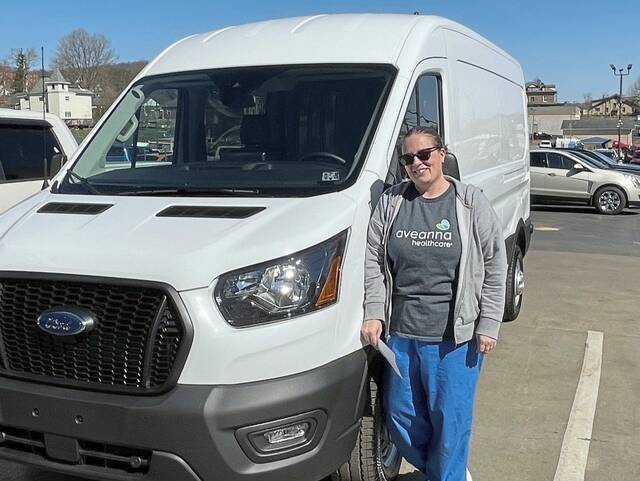
She parks Big T for free in parking lots at Walmart and Cracker Barrel when she’s on the East Coast. Out west, there’s abundant federal land where she can park for free.
Her Planet Fitness gym membership allows her to recharge her electrical devices there and take showers. When that’s not available, she washes up via a basin inside the van or uses a garden hose to rinse off when she’s out in nature and has privacy.
Seeing lots of bears while traveling through Alaska remains a treasured memory.
“I saw so many. You just don’t see them like that down here,” Smith said.
She recommends her roaming home lifestyle.
“The freedom. If I don’t like the weather or where I’m at, I can just go anywhere,” Smith said.
Of late, she’s set up residence in Armstrong County.
“There’s more to life than just a job. I highly recommend it,” Smith said.
Solar solutions
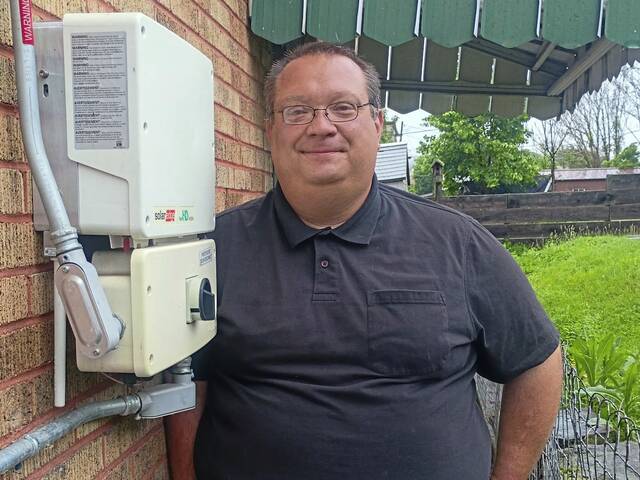
Brett Zambotti has embraced solar technology to save money on electric bills.
He installed 27 roof solar panels in 2022 at his home in downtown Kittanning Borough.
The sun does the work. Zambotti said he hasn’t had an electric bill from WestPenn Power for quite some time.
Previously, his electric bill averaged $200.
“I love sunny days,” said Zambotti, 38.
Zambotti does pay about $150 monthly for the solar panels (initial install cost) and that will be paid off in 16 years.
“I’m a dollar person and it made financial sense,” Zambotti said. “I don’t know of anyone else in Kittanning with this. It was $31,000 but I got a $9,000 tax credit.”