
The issue
According to Vitalant Pittsburgh communications director Maya Santana, the need for blood has remained steady due to everyday emergencies and ongoing medical treatments. Every two seconds, someone in the United States needs a blood transfusion, and patients rely on a constant and ready supply already available on hospital shelves. Each day, patients require approximately 30,000 units of red blood cells, along with about 6,000 units of platelets and 6,000 units of plasma. This sustained demand reflects the essential role blood donation plays in supporting patient care across the healthcare system.
Q: How does one find out their blood type?
A: One of the easiest ways to find out your blood type is by donating blood, and there is no need to know it beforehand. Vitalant tests and types each donation, with results typically available within a few days through a secure online account or the Vitalant app.
Knowing your blood type is especially important in medical emergencies, when only compatible blood can be used for transfusion.
Q: What blood types are the most needed?
A: Donors of all blood types are needed each day to support hospital and patient needs, with a current critical need for Type O blood. O positive is the most common and frequently used in routine transfusions, while O negative plays a vital role in emergency situations because it can be given to any patient.
Platelets are also in high demand, as they must be used within a week of donation and are essential for cancer patients, as well as those undergoing surgery or receiving critical care.
Q: Who is restricted or limited from giving blood?
A: Most people in the United States are eligible to donate, yet only about 3% do.
Basic requirements — such as being at least 16 years old, weighing at least 110 pounds and presenting a government-issued ID — help ensure a safe process for both donors and patients. Additional factors such as certain medical conditions, medications, or recent out-of-country travel may temporarily affect eligibility.
Q: What types of procedures and operations are donated blood used for and how often?
A: Donated blood is used every day for a wide range of medical needs, from trauma and emergency care to surgeries and chronic conditions. A single whole blood donation can help multiple patients because it is separated into red blood cells, platelets and plasma.
Red blood cells are often used for trauma patients, surgical procedures and individuals with conditions such as sickle cell disease. Platelets are critical for cancer patients. Plasma supports patients with severe burns or clotting disorders.
Q: How often can one give blood and what happens if they give too much?
A: Donation frequency depends on the type of donation, with guidelines in place to ensure it is safe for the donor. Whole blood can typically be donated every 56 days, Power Red (double red blood cell donation) every 112 days, platelets every seven days and plasma every 28 days — each with annual limits. These timelines are designed to allow the body to recover, and eligibility is reviewed at every appointment to ensure individuals do not donate more frequently than recommended.
Q: What types of activities could complicate one’s ability to donate blood in the future?
A: Certain activities or circumstances, such as recent travel out of the country, medications or health changes may temporarily impact eligibility.
Q: How should one prepare to donate blood on the day of?
A: The process is straightforward and typically takes about an hour. Individuals are encouraged to feel well, stay hydrated and eat within a few hours before donating.
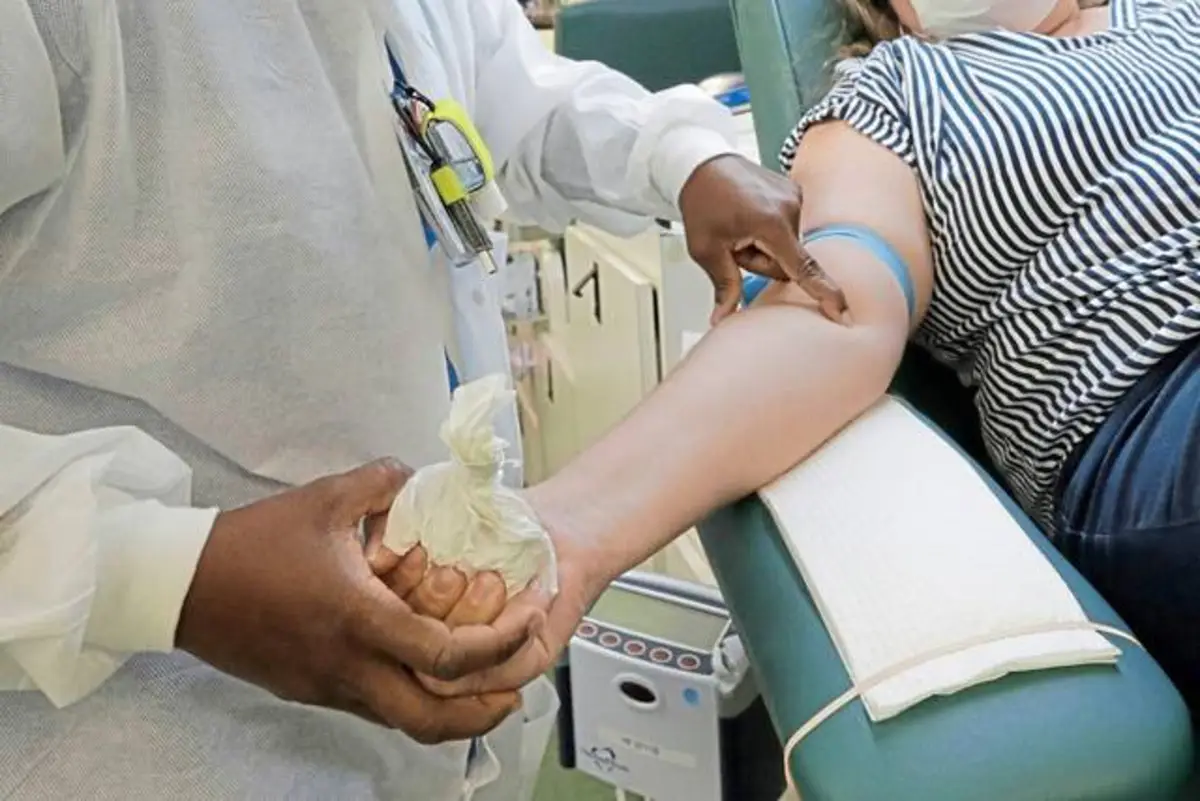
At the donation site, donors check in with a government-issued ID, complete a brief health questionnaire and undergo a quick screening that includes reading vital signs and iron levels. The donation itself takes about 10 to 15 minutes and is followed by a short recovery period with refreshments.
Afterward, donors can return to their day knowing their donation may help save multiple lives.
Q: If one can’t donate blood, what’s another way they could contribute to helping others who may need blood?
A: For individuals who are unable to donate, there are still meaningful ways to support patients. These can include referring a friend, hosting a blood drive, or making a financial contribution to the Vitalant Foundation, which helps support the stability of the blood supply and advance research in transfusion medicine, or other non-profits aiding in that cause.