
Pennsylvania is one of 25 states suing to block limits on federal loans for students pursuing certain advanced degrees in healthcare.
President Donald Trump’s July megabill capped annual loans at $20,500 for graduate students and $50,000 for professional students. Total limits were set at $100,000 and $200,000, respectively.
The exact definitions of graduate and professional students were left up to the U.S. Department of Education. On May 1, the agency issued a list of professional degrees that excluded nurse practitioners, physical therapists and several other medical roles that require post-undergraduate training.
The lawsuit, filed Tuesday against the U.S. Department of Education in U.S. District Court in Maryland, takes issue with how the agency decided who counts as a professional student and aims to stop the July 1 implementation of loan caps. Such restrictive rules will worsen workforce shortages and put patients’ access to healthcare at risk, the coalition of states argues.
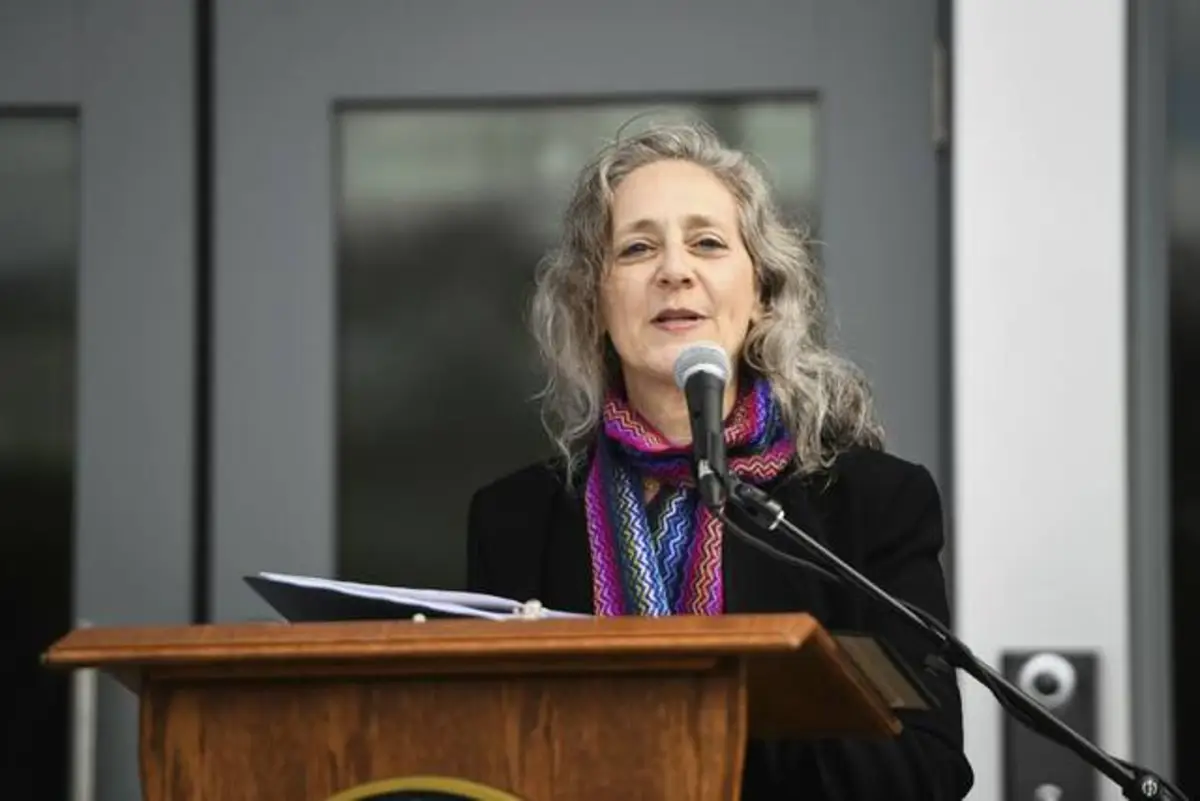
“The federal student loan program has long opened doors for the very nurses, physician assistants and mental health specialists who provide essential care for people in our communities every single day,” said Pennsylvania Health Secretary Dr. Debra Bogen. “This action by the federal government threatens to close those doors at a time when we are facing real workforce shortages – and would raise costs for Pennsylvania students.”
The Department of Education claims the rules are perfectly legal and will incentivize schools to lower tuition.
“Clearly, these Democratic governors and attorneys general are more concerned about institutions’ bottom-line rather than American students and families’ ability to access affordable postsecondary education,” said Nicholas Kent, the agency’s undersecretary.
Possible negative consequences in nursing, a field rife with vacancies, have garnered particular attention.
Teachers and college professors are also left off the professional student list.
Existing loan limits at the undergraduate level — $31,000 for students legally considered dependents and $57,500 for independents — are unchanged.