
All too often, an unexpected new addition to a community becomes controversial only after it’s too late to do anything about it.
By the time residents are packing hearing rooms and officials are scrambling for answers, developers already have purchased land, filed plans and invested money. Emotions rise quickly. Practical conversations become difficult.
This is nothing new. It has happened for generations as technology and infrastructure have changed.
A recovery home for sex offenders raised hackles on Pittsburgh’s South Side. Penn Township has seen protests over fracking. In Monroeville, it was residents objecting to a voluntary drug rehabilitation facility. Derry residents were up in arms over a solar farm.
The details change, but the arguments are often familiar. Communities may understand the broader need but can still worry about the local impact. Often, the objection is not to the existence of something but to where it is placed.
The newest thing raising issues is the spread of data centers.
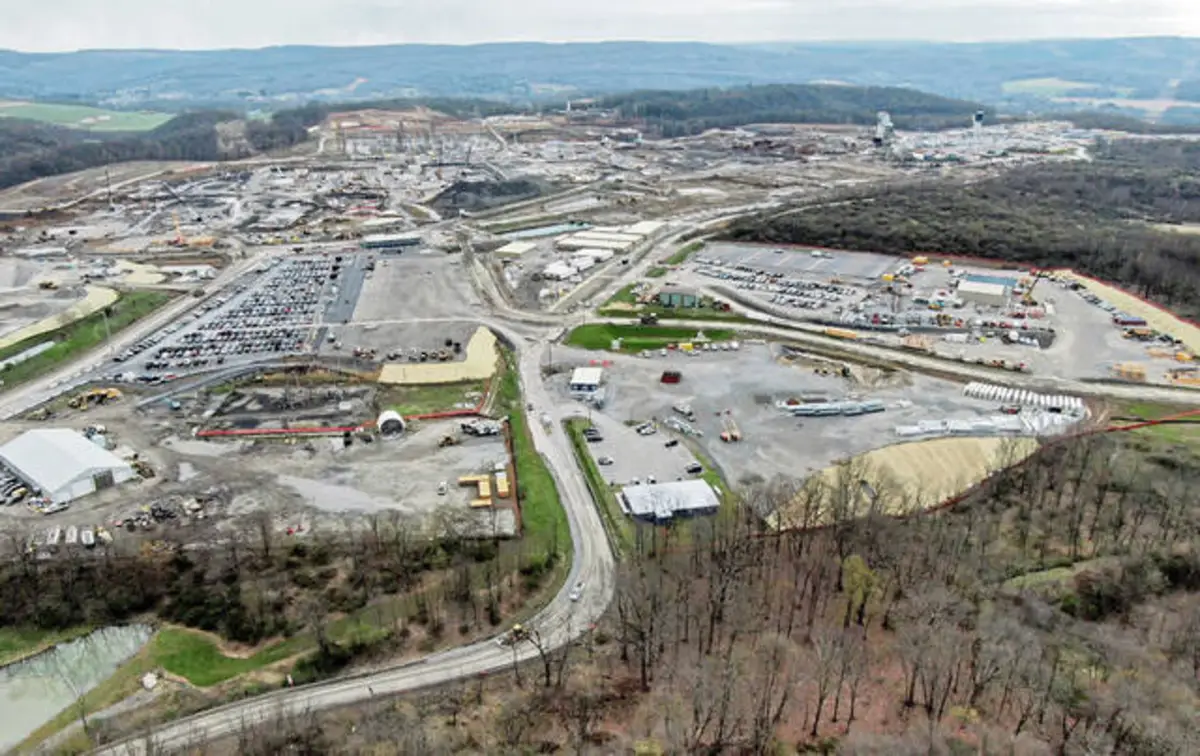
These massive computing facilities are the engine behind artificial intelligence and other digital services people increasingly rely on every day. On the one hand, they can provide a viable new use for long-empty industrial property. On the other, they can place enormous demands on power grids and water supplies.
East Deer is the latest municipality trying to stay ahead of that wave as communities across Western Pennsylvania weigh ordinances, moratoriums and other regulations tied to the facilities. Proposed projects in places such as Springdale, Upper Burrell, Homer City in Indiana County and Shippingport in Beaver County have raised questions about electricity demand, water use, noise and the broader effect on surrounding communities.
Regardless of a stance on data centers, they require the same forethought as any other project that might come into a community. That might mean providing for them specifically in zoning. It might mean having dedicated parameters established.
This is a reason for residents to pay attention not just to what is happening today but to what might be coming in the future.
Attend meetings. Read articles. Stay informed about discussions that may seem hypothetical but could shape a community for decades. By the time a project officially arrives, many of the most important decisions may have been made.
Municipalities like East Deer and others are doing the right thing by preparing for what seems inevitable.
Whether a community ultimately welcomes data centers or decides they are not a good fit, it is better to establish expectations before developers come calling than to try to create rules in the middle of a fight.