
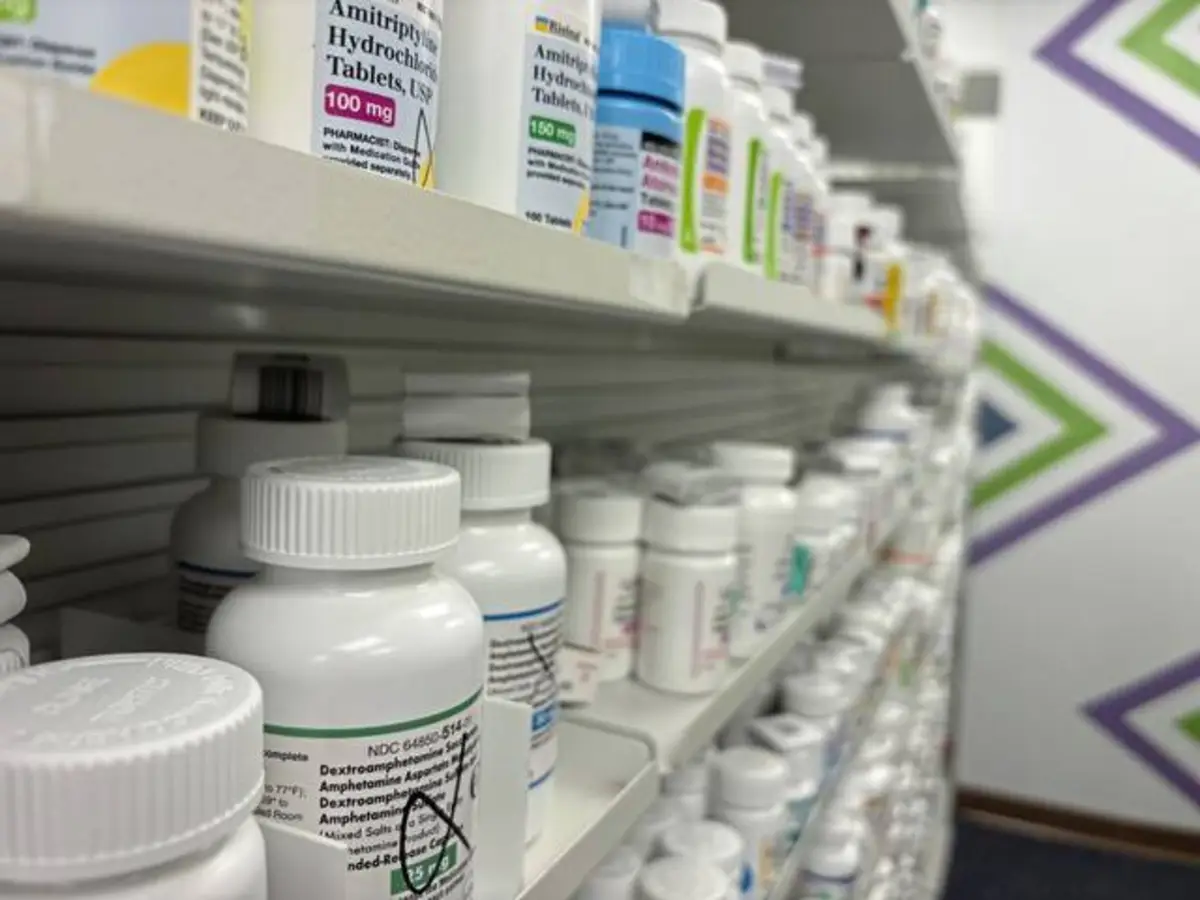
A report released Thursday by the Pennsylvania Insurance Department shows setting a minimum payment to pharmacies for dispensing drugs would help stabilize small drugstores without substantially raising medication prices.
Pharmacies are primarily paid for their work by pharmacy benefit managers, or PBMs, which are hired by insurers to oversee prescription drug benefits. PBMs are a source of frustration for many independent pharmacists, who see their reimbursement rates as opaque and unfair.
Forced to scrape by on razor-thin margins, hundreds of drugstores across the state have closed in recent years, leaving some communities without a place to pick up medication.
Act 77, a state law passed in 2024, cracked down on some of the more controversial ways PBMs operate, including steering patients to pharmacies under the same corporate umbrella, and instituted new transparency requirements. The bill only applied to fully funded commercial health plans in Pennsylvania, comprising about a quarter of the state’s insurance market.
It also ordered the insurance department to examine how a pharmacy reimbursement model that combines the cost of drug acquisition plus a $10.49 dispensing fee might support pharmacies.
The report, which looked at data from 2022 to 2024 for health plans covered by Act 77, found this reimbursement floor would increase prescription drug costs by less than 1%.
At the same time, pharmacies not affiliated with PBMs, which are typically independent, would have seen $56 million more in PBM payments over the three-year span. Affiliated retail and mail order pharmacies would have missed out on a combined $31 million.
To state Rep. Jessica Benham, a South Side Democrat who has led the charge on PBM reform, “this study also makes clear that we should take action to set a reimbursement floor within the commercial insurance space.”
The report also analyzed the impacts of steering, which is when PBMs nudge patients towards affiliated pharmacies. Each of the “Big 3” PBMs — CVS Caremark, OptumRx and Express Scripts — share a corporate parent with a mail order and specialty pharmacy. PBMs aren’t steering members through financial incentives, according to the report, but they are leveraging auto-enrollment into affiliated pharmacies and marketing to keep prescriptions in house.
Spread pricing, the practice of PBMs charging insurers more than they reimburse pharmacies and keeping the difference as profit, was also scrutinized by the insurance department. This practice was left untouched by Act 77. Critics say spread pricing drives up premiums by forcing insurers to pay more than they have to for their members’ prescriptions.
Only a small percentage of drugs are subject to spread pricing, according to the report. The total spread collected by PBMs fell to $15 million in 2024 from $42 million in 2022, though some PBMs remain more reliant on this practice than others.
“Reports like this one bring clarity to a market where little existed and open up PBM practices for all to see as Act 77 begins to take shape,” said Pennsylvania Insurance Commissioner Michael Humphreys.