
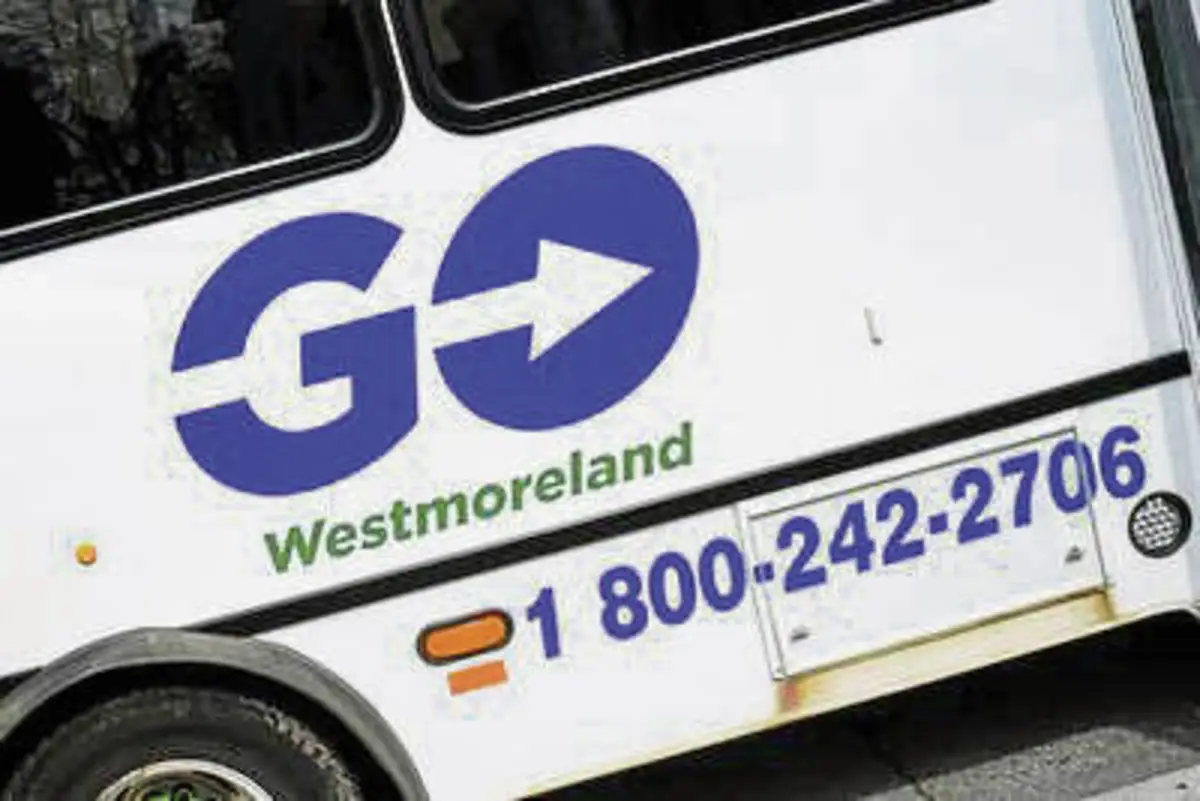
The more than 176,000 riders who annually use the Westmoreland County Transit Authority’s subsidized shared-ride program could soon see higher fares.
Authority board members Thursday approved a nearly $19 million budget for the upcoming fiscal year that starts July 1. The spending plan includes $1 million in anticipated revenue related to a potential fare hike for the Go Westmoreland paratransit system, which provides subsidized door-to-door rides for elderly and disabled passengers.
Officials said a potential fare hike would help offset rising employee and fuel costs to operate the Go Westmoreland system, which accounts for nearly half of the transit authority’s annual budget.
“There isn’t a whole lot more we can do to reduce costs, so we’re using our reserve funds to cover those costs. Our only other option is to cut back service levels, but we’re not there yet,” said Alan Blahovec, the authority’s executive director.
A potential fare hike for Go Westmoreland has not formally been presented to board members and could ultimately be scrapped, said Ashley Cooper-Brounce, the authority’s deputy director. The projected revenue increase from a fare hike could also be covered by tapping a nearly $7 million surplus rather than increasing rider copays, she said.
That surplus will be needed soon to cover other operational costs. The authority’s new budget is balanced through the use of more than $3.7 million in covid-relief funding. That funding source dries up at the end of the 2026-2027 fiscal year, Cooper-Brounce said.
Fares paid by Go Westmoreland and fixed-route bus passengers account for just more than $1 million of all revenues.
The authority charges $16 for each shared-ride trip up to 2 miles, but subsidies reduce the actual fares paid by most riders. Subsidies are paid to the authority by sponsors such as the county’s Area Agency on Aging, the state’s lottery program and other social service programs. As a result, most paratransit riders pay just $2.40 for trips of less than 2 miles. Riders currently pay $2.65 for trips up to 5 miles.
The fare-hike proposal, if approved, would increase costs to riders by about 3%, Cooper-Brounce said.
Rising fuel costs are expected to hit the authority’s bottom line. While fixed-route buses primarily use diesel or natural gas, the Go Westmoreland system operates a fleet of about 60 gasoline-fueled vehicles. Costs to fuel those paratransit vehicles jumped by about $30,000 just in the last month due to rising prices at the pump. Go Westmoreland fares have not increased since 2018.
Fares for commuter bus service to Pittsburgh and standard bus service throughout Westmoreland County will remain at current levels for the next year. Bus fares have not increased since 2014.
Ridership on the authority’s fixed-route bus system continues to increase, officials said. It is on pace to be up by about 3% over the last fiscal year. Ridership in March was at its highest level since before the covid-19 pandemic, according to recently released figures.
The authority in 2024 agreed to pay $7.5 million to purchase 10 new 33-seat, natural-gas-fueled commuter buses. Eight of those vehicles have been delivered and will begin operating in the coming days, Blahovec said.