
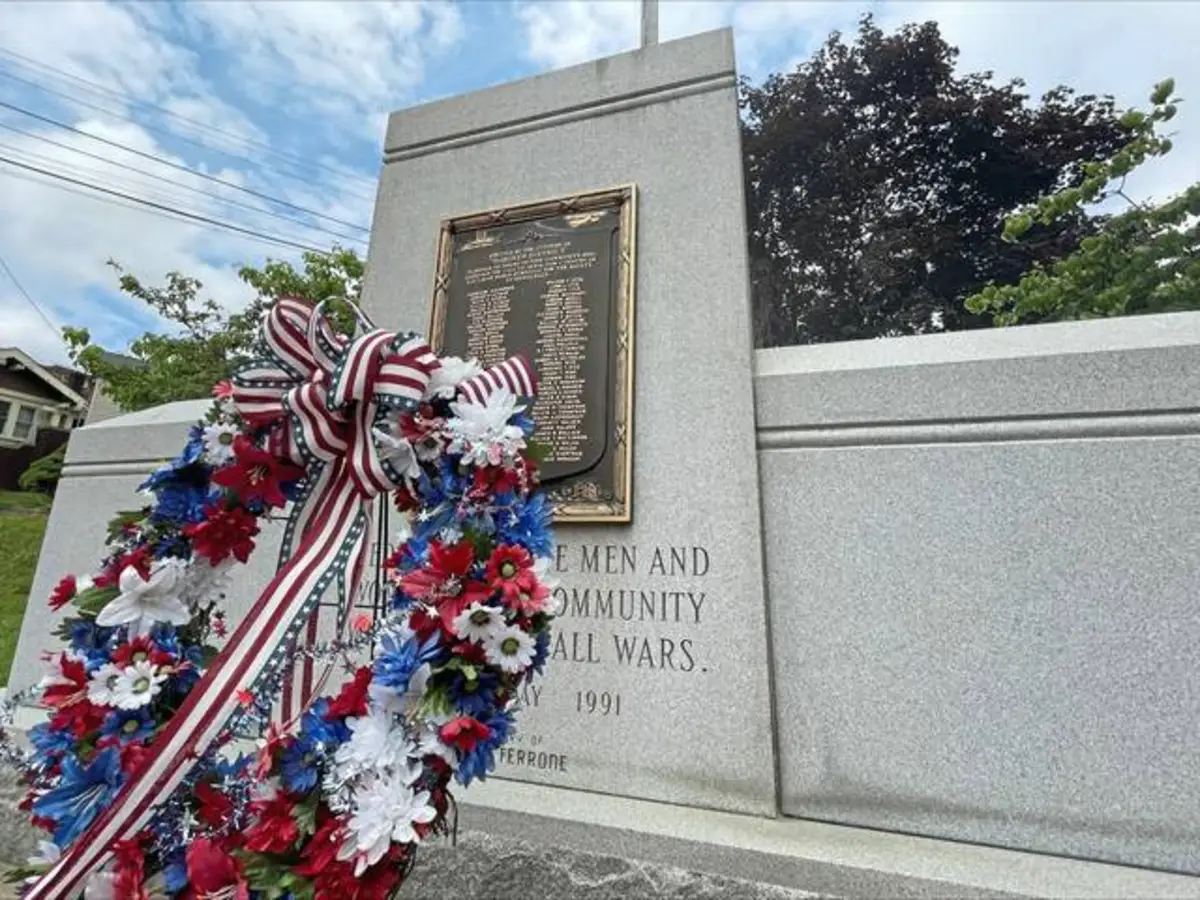
As the United States approaches its 250th anniversary, Memorial Day carries a different weight this year. For nearly 2½ centuries, Americans have carried the responsibility of defending, sustaining and rebuilding this country through war, crisis and uncertainty. Some came home; many did not. The ones who did not come home were not dying for a finished country. They were dying for the idea that it was still worth building. The men and women we honor on Memorial Day did not sacrifice for a perfect country. They sacrificed for the possibility of one, and that distinction matters right now.
Much of the national conversation heading into this anniversary is about decline. Institutions failing, and a country too fractured to hold together. But none of the generations who fought at Gettysburg, Normandy, Korea, Vietnam, Iraq or Afghanistan lived in a flawless nation either. They inherited imperfect versions of America and chose to carry it forward anyway. Not because it was easy, but because they believed it was worth carrying.
That is what Memorial Day still asks of us.
Not just whether we remember the sacrifice, but whether we are still willing to contribute to something larger than ourselves.
As a Marine Corps veteran and Purple Heart recipient, this day is personal. I think about Marines I served with who did not come home from Iraq, and the families who carried those losses long after the headlines moved on. The spouses who rebuilt their lives around a permanent absence, and the children who grew up without a parent. For those families, Memorial Day is not symbolic. It is a permanent reminder that the cost of freedom is not distributed equally. Some families carry far more of it than others, and they carry it every single day.
I also believe Memorial Day belongs to everyone, not only veterans, because the work of holding a country together is not done only in uniform. It is done by people who show up quietly every day without recognition or ceremony. People who stay in communities that need them. Who take care of aging parents, mentor struggling kids and keep local institutions running when resources are thin and the pressure is constant. That is a form of service too. Most of it never makes headlines, and neither did much of the sacrifice that built this country.
What concerns me most is not division or dysfunction; both have always existed. What concerns me is disengagement. The belief that showing up no longer matters, or that the country is too far gone to bother with. That cynicism is wisdom. It is not.
Previous generations survived a revolution, a civil war, two world wars, economic collapse and periods of social fracture that make the current moment look manageable. They endured because enough people kept believing the country was worth holding together, even when it was neither easy nor obvious. Even when they had good reasons to walk away and no guarantee it would work.
America has never been about perfection. It has been about sustained effort and a willingness to carry the weight forward, even when the load is heavy and the direction is unclear. That has been true in every generation. It is still true in this one.
As America turns 250, I still believe most people understand that. I see it in the people who stay in diffficult places when leaving would be easier, and in those who serve without recognition and lead without applause. In the communities that keep functioning because someone decided the work still mattered, even when it was thankless.
That sense of duty is still there. It has always been there.
Memorial Day does not ask for agreement on every issue. It does not ask for blind patriotism or a clean accounting of the country’s history. It asks for something harder: whether we are still willing to accept responsibility for what comes next, even when it is uncertain, and the outcome is not guaranteed.
Generation after generation answered that question. They believed this republic was worth preserving for people they would never meet. They accepted the burden of carrying it forward without knowing how the story would end.
I still believe we do too.