
Western Pennsylvania built our nation with the region’s natural resources and dedicated workforce. From coal mining to steelmaking to glass blowing, the Pittsburgh region has a long history of working hard for America’s prosperity. Our regional identity is rooted in the stories of people coming here — from overseas and from the Jim Crow South — for work to build better lives for themselves and their families.
While we still reflect on this history with pride in what yinzers — newly arrived or deeply rooted — have built and continue to build, we also see the scars left behind by a history of unregulated industries that have damaged people’s health and our waters and lands for generations.
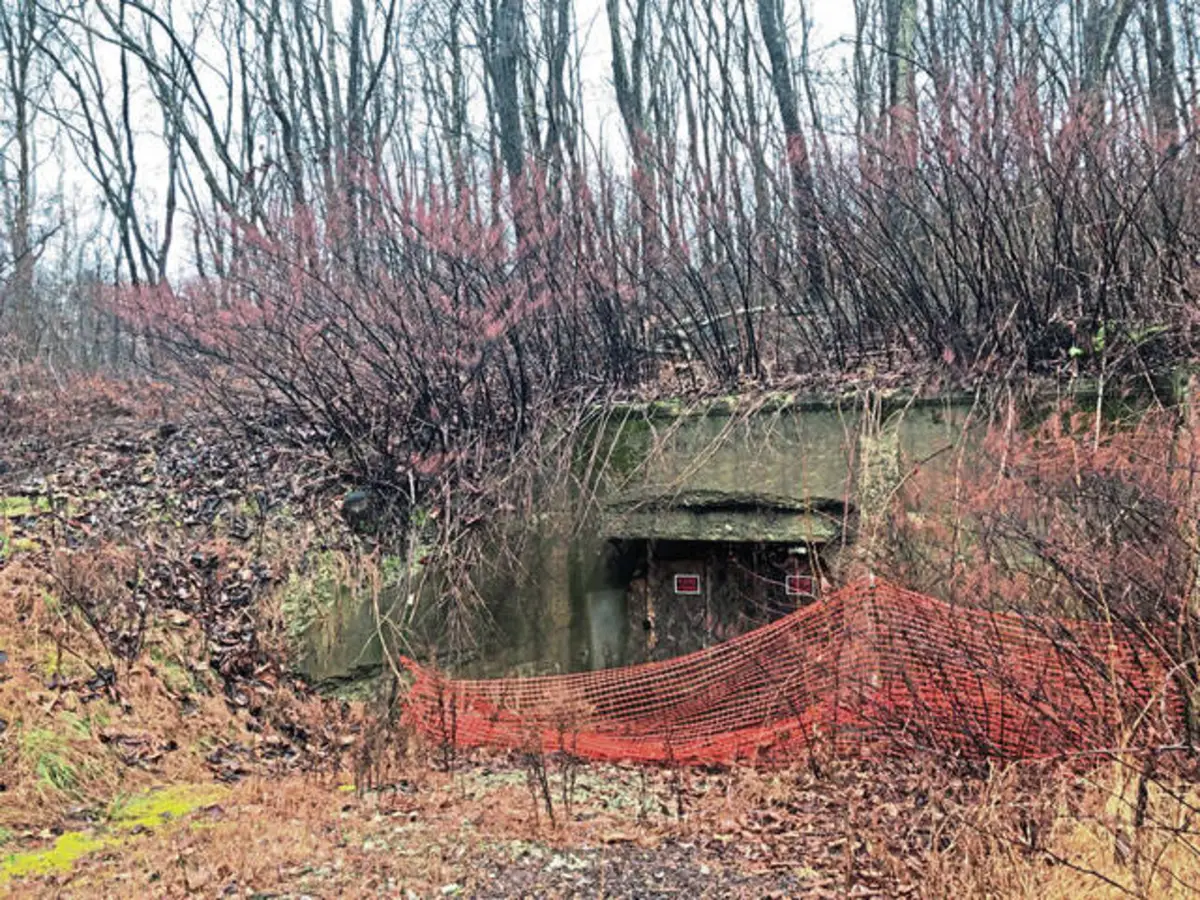
One of these industries is coal mining. Pennsylvania leads the country with the most abandoned mine lands of any state, accounting for one-third of our nation’s abandoned sites, covering 288,000 acres and polluting 5,500 miles of Pennsylvania’s streams. Many of us can remember open mine portals in the hills, a lifeless stream dyed orange from acid mine drainage, piles of mining waste along the road or barren hills where vegetation never regrew. Many of us remember these sites because 1.4 million Pennsylvanians live within one mile of abandoned mine lands.
In 1977, Congress passed and President Jimmy Carter signed into law the Surface Mining Control and Reclamation Act. This law acknowledged the long history of unregulated coal mining across Appalachia and created a funding mechanism to raise money from the coal industry to pay for cleaning up its dirty past. It made sense that taxpayers should not be on the hook for the billions of dollars in cleanup costs left behind by the coal industry. Going forward, the law required coal companies to reclaim mine sites as they work and to secure bonding to cover the cost of reclamation if the company could not pay for reclamation in the future.
Unfortunately, the Surface Mining Control and Reclamation Act’s ambitious goals have not been met.
The fund to clean up abandoned mine sites has only decreased as the coal industry shrinks nationwide. The coal industry has shrunk considerably since the law’s passage in 1977, and the law did not account for the long-term issues associated with a continued shift to cleaner energy sources in a modern economy.
But in 2021, Congress included $11.3 billion in the Infrastructure Investment and Jobs Act to address the backlog of abandoned mine sites, sending about $245 million to Pennsylvania each year.
While the profitability of the coal industry continues to decline, coal communities face a new challenge: coal company bankruptcies and inadequate bonds that will leave behind a new generation of abandoned mines. These modern unreclaimed mines are called “zombie mines” because, while no longer active, they persist as a scourge without resources or public funding to help clean them up.
Zombie mines are difficult to track. Coal companies can idle mines and delay reclamation through lengthy litigation practices while cutting mining and reclamation jobs. We know that this is a growing issue across our region, and we think Congress must once again take action for our coal communities.
This is why we introduced two pieces of legislation to hold global coal corporations accountable for exploiting and poisoning our communities and to allow communities to reclaim the land that produced profits for industry. Requiring coal companies to pay for reclamation will benefit Americans: cleaner air and water that does not require the public to pay for someone else’s damage.
The Coal Cleanup Taxpayer Protection Act tells coal companies they can no longer deceivingly promise to cover the cost of mine reclamation — a practice known as “self bonding.” All coal companies would have to use a standard bond that accurately reflects the company’s financial health to protect taxpayers from covering the cost of mine cleanup.
The Bond Improvement and Reclamation Assurance Act requires coal companies to set aside enough funding to pay for reclamation so they do not leave the public on the hook to pay the difference from undervalued bonds. The bill will also stop coal companies from using shell companies to avoid their reclamation responsibilities through complicated legal maneuvers.
Pennsylvania and other coal communities powered our country for decades. It is time to clean up the mess they left behind. We are proud to introduce these proposals to save Western Pennsylvanians money, protect public health, and restore the land we love.
Democratic Rep. Chis Deluzio represents the 17th District. Democratic Rep. Summer Lee represents the 12th District.