
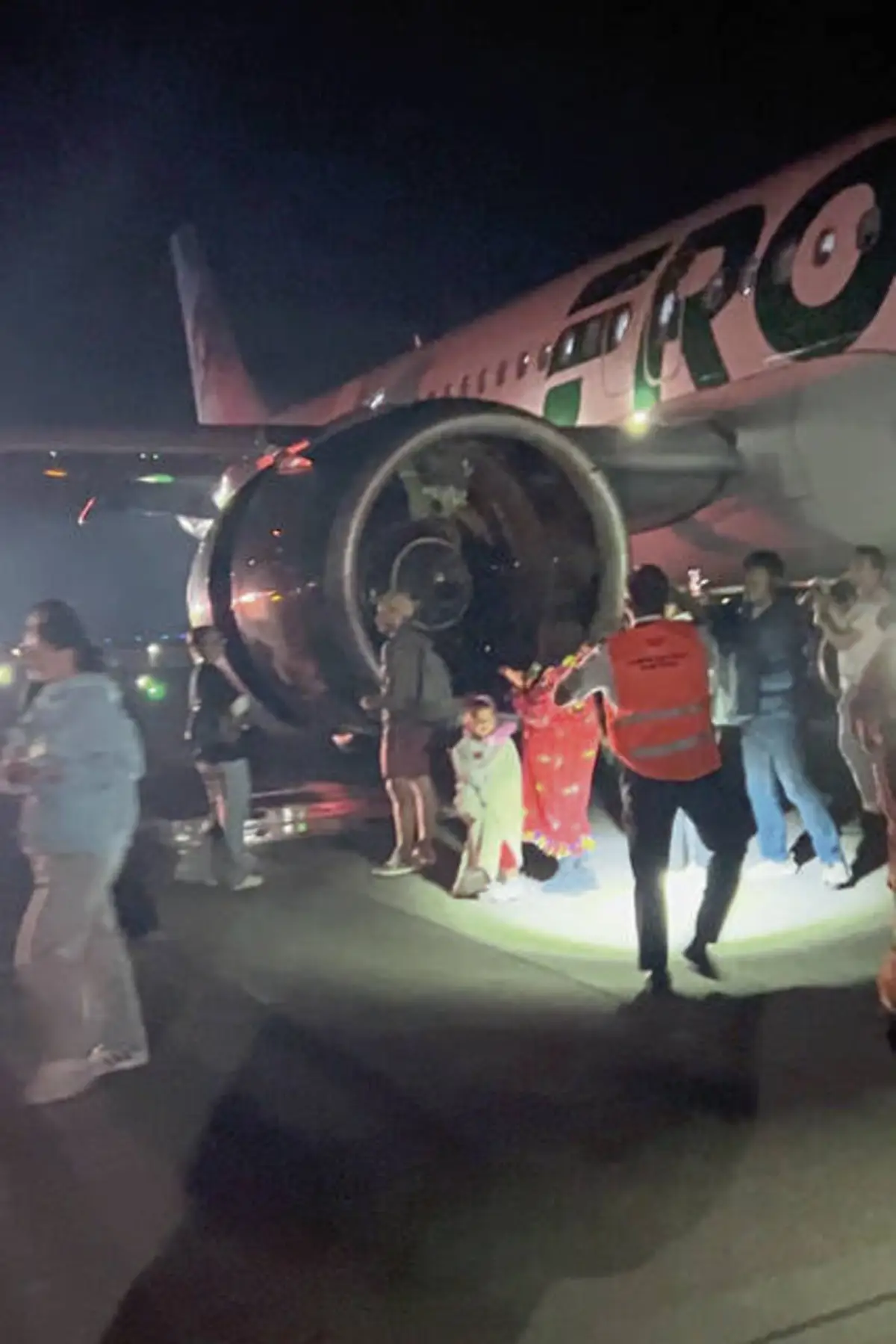
A person breached a security fence at Denver International on May 8, eventually reaching an active runway where he was struck by an airplane that was taking off. This forced the airplane to abort takeoff when one of its engines caught fire, requiring passengers to deplane via the airplane’s emergency slide. With the exception of the person struck by the airplane, there were no fatalities, with 12 passengers sustaining non-life threatening injuries.
This situation begs the question: Are other airports vulnerable to such security breaches? Was there anything more that could have been done to prevent the Denver incident?
Airports follow well-defined perimeter security protocols. Though airports are responsible for perimeter fencing, closed caption TV monitoring, motion sensors and conducting perimeter patrols, the Transportation Security Administration (TSA) provides the necessary oversight.
Denver international is the largest airport in the nation in terms of area, covering 33,531 acres or nearly 53 square miles of area and 36 miles of circumference that must be monitored and secured. Other large airports in the nation include Dallas-Fort Worth International (17,207 acres) and Washington Dulles (13,000 acres), both of which serve as hub airports with high volumes of flights. Pittsburgh International covers over 10,000 acres, making it the largest airport by area in Pennsylvania. In contrast, major airports with small areas include New York Laguardia (663 acres, or just over one square mile), San Diego Lindbergh (664 acres), Chicago Midway (650 acres), and Washington Reagan (861 acres).
Given what occurred in Denver, some may argue airport perimeter security must be enhanced. Such a kneejerk reaction in the aftermath of the incident is misguided.
There are limited resources available to secure the national airspace system. The TSA, in cooperation with the airports, oversees aviation security policies and procedures at airports. Decisions must be made on how to spend limited resources most efficiently and effectively. This is the foundation of risk-based security, which is how TSA Precheck was designed and implemented.
Airport security checkpoints consume a large amount of these resources, as anyone who has flown knows. The investments in perimeter fencing, closed caption TV monitoring, motion sensors and patrols are standard tools used at airports around the nation. Adding even more resources which may have prevented the Denver incident sounds reasonable today. The question is, what security would need to be sacrificed elsewhere to pay for such enhancements?
In 2015, a report indicated 268 airport perimeter security breaches occurred over an 11-year period across the nation’s largest airports.During that time, San Francisco International reported 37 security breaches, or around three per year, while Philadelphia International reported 25, or two per year. In contrast, Denver International reported eight breaches in total, while Dallas-Fort Worth reported just six and Atlanta Hartsfield reported five. Since that report was issued, there have been anecdotal reports of security breaches over the past decade, but no comprehensive data collection. For example, in 2018, a person scaled the perimeter fence at Atlanta Hartsfield International. In 2021, a similar incident occurred at Los Angeles International and at Chicago Midway in 2022. The paucity of media reports like this suggests the frequency of airport perimeter security breaches has fallen since the 2015 report was issued.
With the Denver incident, sensors detected unusual activity along a fence, but it was attributed to a herd of deer, not a person scaling the fence. As is often the case, human error, not a technology failure, led to the person accessing the active runway and creating the ensuing chaos. Asking for expensive system-wide changes that will add little tangible security to the national airspace system is unnecessary and inappropriate.
The lesson learned from the Denver incident is that when any security sensor alarm sounds, it should be investigated. Much like how airport security checkpoint technologies sound alarms that require secondary screening, the same principle of due diligence must be followed with perimeter security screening. When the appropriate protocols are not followed, poor outcomes are possible, which is what occurred in Denver.
Sheldon H. Jacobson is a computer science professor at the University of Illinois.