
The issue
Despite physical therapy being a foundational piece of healthcare in terms of rehabilitating the body following numerous types of injury and surgery, a study published in the National Library of Medicine in 2022 revealed that only 43% of patients with lower back pain fully adhered to their prescribed plans.
Some of the most common reasons people don’t stick with it or never start in the first place include failure to set goals, lack of expedient results, poor understanding of the process, lack of time and fear of pain.
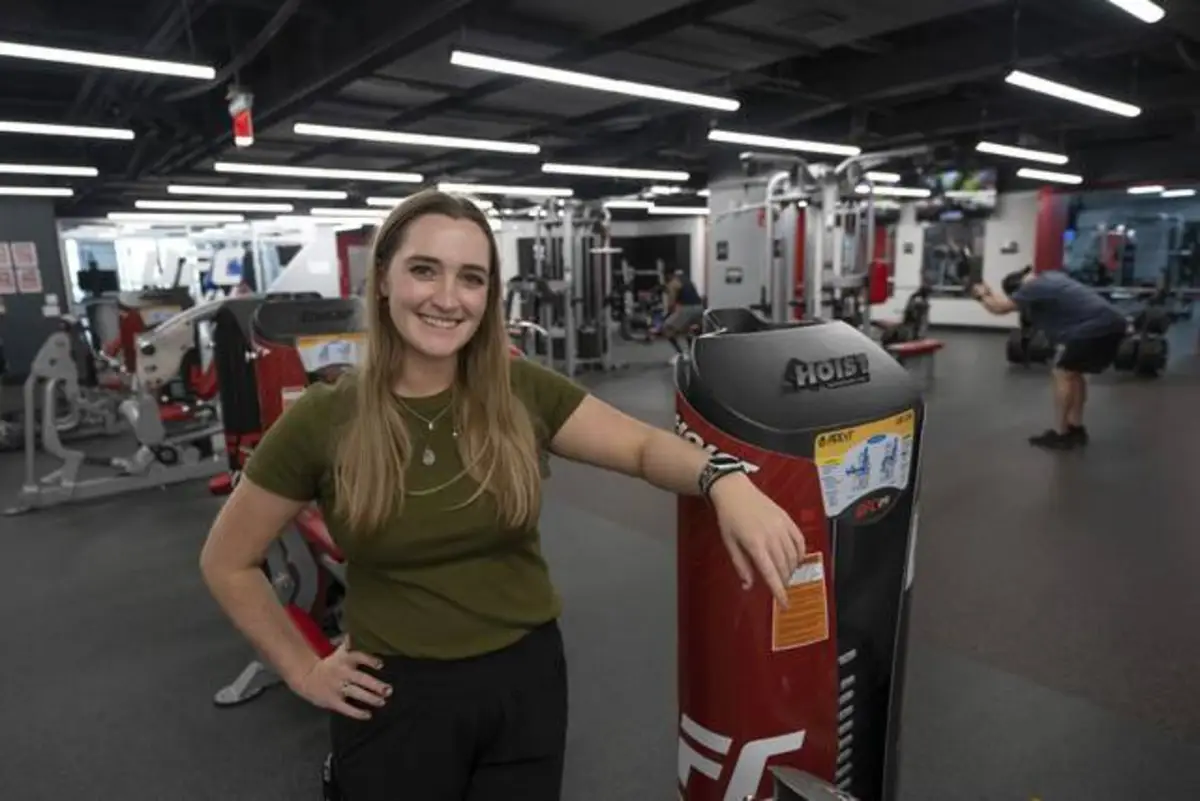
Physical therapist Dr. Kelsie Vander Voort, PT, DPT, MS, clinical director of The Physical Therapy Institute at Market Square, is here to reset expectations.
Q: How does the process of undergoing physical therapy to heal frustrate or confuse people?
A: I think the most frustrating aspect is that it’s not always a quick fix. My goal every session is for my patient to feel better than they came in. However, it usually takes multiple visits for patients to feel 100% pain free or back to their norm.
Progress isn’t always linear either. Often, as patients resume normal activities and add things back into their routine, they may experience flare-ups.
Q: How long is the average length of tenure for an otherwise healthy, middle-aged, non-surgery-related patient in physical therapy? How long do most sessions last?
A: Session duration is often variable amongst patients depending on their specific needs (rate of fatigue, pain intensity, energy levels, post op protocols) and may vary for the same patient day to day. Most sessions last anywhere from 45 to 70 minutes.
I tailor my treatment sessions to my patients’ needs. So, if someone wants a shorter/longer session, I accommodate it because the most important thing to me is that my patient wants to come to physical therapy; they won’t get better if they don’t show up.
Typically, we like to start with four to six weeks of physical therapy, as research shows it takes six weeks for true strength changes and muscle building to occur.
Q: How often does it feel as strenuous as working out? Why is that the case?
A: It depends on what the goals are. Often, when patients come to me, it’s because they’re in pain, injured or feel weaker than normal.
Day 1 of PT isn’t going to be putting you through the gauntlet. Day 1 is going to be me figuring out strategies to get you out of pain, stretching tight muscles and joints, or learning how to activate tiny muscles you didn’t know existed.
Sessions are going to look very different for a patient coming to me with neck pain and limited neck motion versus for a patient who is an athlete in their last stage of return to play rehab.
It can feel like you’re working out because that’s essentially what we’re doing; we’re trying to build strength and in order to do that, we have to challenge your muscles. We like to start with less and add on to avoid any flare-ups or high levels of soreness.
Q: What are some situations when PT is typically covered and not covered by insurance?
A: It gets fuzzy with the amount of visits “allowed” or covered by insurance. Some plans only offer 20-30 visits per calendar year, whereas others are unlimited as long as there is medical necessity. (You’re not just coming to work out or “maintain”). The visit allowance varies among the different insurance policies and plans. We’re able to look this up for you after we run your information, but it’s also easily accessible by calling your insurance or looking up your plan benefits online. If you run out of visits, we have comparable self-pay rates, so your care will not be interrupted.
Q: How and why will undergoing physical therapy affect other parts/regions of my body?
A: Everything is connected. Sometimes your knee pain could actually be coming from not having strong ankles, or your back pain is from not having strong enough hips. Our muscles like to work together like a team, so usually we’re treating from a well-rounded approach to include multiple muscle groups and joints.
Q: How often do people reinjure themselves or sustain new injuries during PT? What are some typical causes?
A: I would say “reinjury” isn’t common; “flare up” may be a better word for it.
The PT process and rehab journey isn’t linear; there are ups and downs. I tell patients it’s like “two steps forward one step back” sometimes, because as the patient starts to feel better, our goal is to reintroduce movements and activities that used to cause pain.
So naturally, the first time doing that aggravating movement may not be completely pain-free. For instance, if a patient has back pain and is working to pick up their kid without pain, my first goal is to calm down the pain so it’s not happening at rest.
Then I would teach how to pick something up to avoid low-back strain. Then, if we go to pick up five or 10 pounds, the patient may feel a little sore afterwards. While soreness isn’t the end goal, it is better than the pain they were experiencing when they first saw me.
I haven’t had any new injuries yet caused by PT, however, it is common for patients to go through PT for one joint, say their knee, and then want me to fix their shoulder after they experienced how much better their knee felt after PT.
Q: What happens if someone puts off going to doctor-recommended PT?
A: Putting off PT can just make your pain or injury worse. Early PT means a quicker rehab course and a faster return to your activity.
Ignoring pain or injury can just exacerbate inflammation, which tends to make injuries stick around longer. Don’t delay PT!
Q: Are there people for whom physical therapy is too difficult or taxing?
A: PT is for anyone! We can adjust sessions to what you, as the patient, needs. Our goal is not only to make you feel stronger, but also to have less pain or fatigue.
As far as medical safety, we are trained to monitor exercise responses to the cardiovascular system and monitor vitals as needed. We have red flags that we look for with symptoms and different vital measurements to determine if the patient is safe for PT or if they require further medical workup to be cleared for PT.
Q: Will I have to do follow-ups once my PT is complete?
A: Once you “graduate” PT, you don’t need to come back for follow-ups.
Some patients, after they graduate, come in for a shorter bout of PT (one to two times a week for one to two weeks) if they are experiencing a flare-up and want to get back on track or if they want updated exercises. Again, that’s totally patient-dependent.
The bottom line is we are here for what you, as the patient, need!