
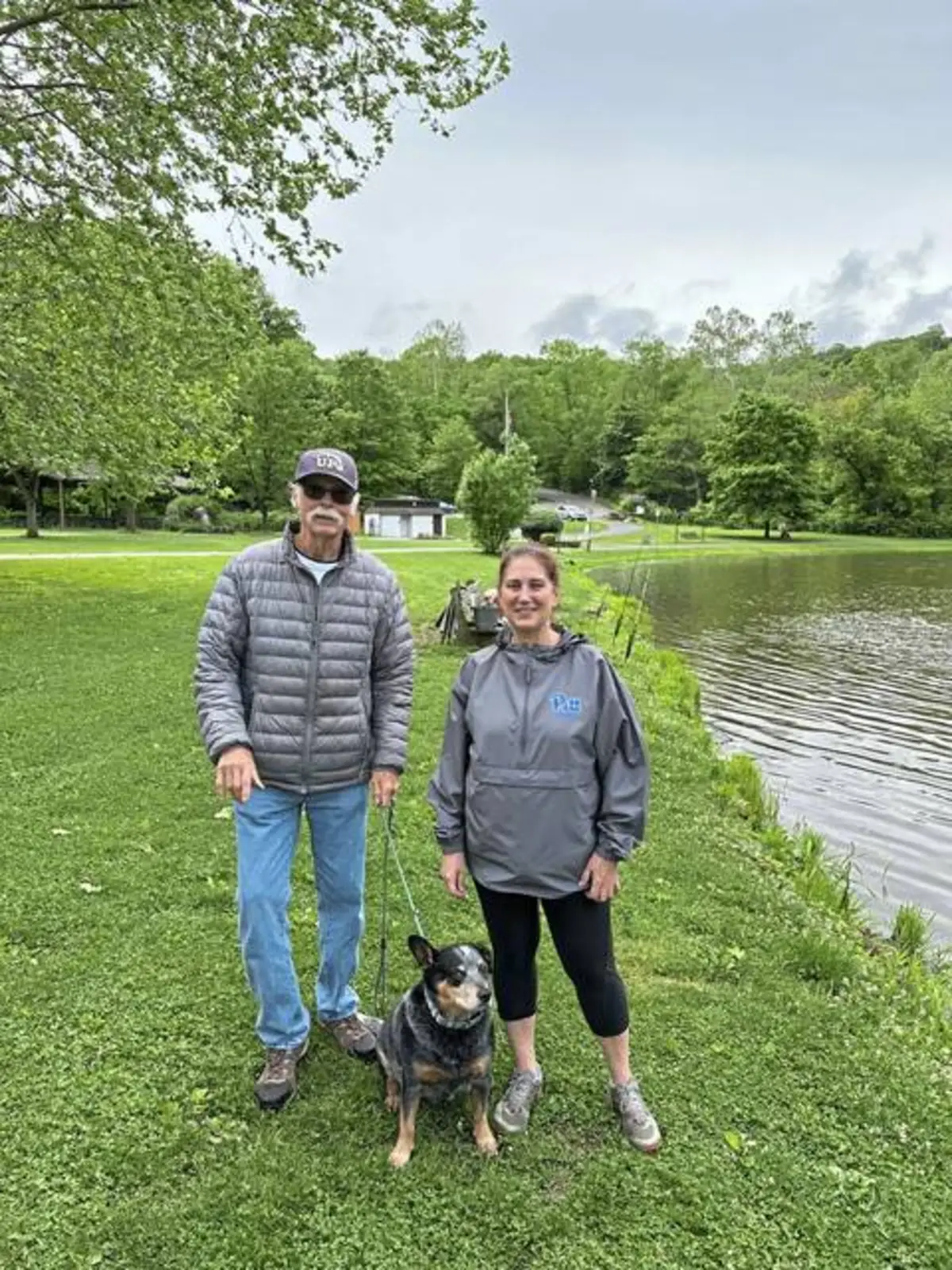
Tom Bracken has been an avid exerciser for decades. When the region’s weather turns warmer in the spring and summer, he adds walking and biking to his year-round weight-lifting, spinning, yoga and more.
He’s picked up some crucial safety tips along the way — once when he almost got hit by a car.
“The driver pulled over and said, ‘I can’t see you. You have to put something shiny on.’ So I got reflective jerseys, like the road crews wear, and now I always wear that if I’m walking in the evening,” Bracken, 80, of Trafford, said.
“Outdoor exercise is a fantastic way to stay active, enjoy fresh air and connect with your community and environment. It has so many benefits, including improved mood, increased vitamin D exposure, stress reduction and opportunities for social connection,” said Jennifer Werley, healthy living director at the Sampson Family YMCA in Plum. “Outdoor workouts are not necessarily ‘more dangerous,’ but they can be less predictable than indoor exercise. Indoors, we typically have climate control, consistent surfaces and easier access to equipment and hydration. Outdoors, conditions can change quickly.”
Jeanne Doperak, DO, primary care sports medicine physician with UPMC, agrees that outdoor activity has some added considerations.
“In addition to musculoskeletal injuries, people can experience insect bites, skin rashes from grass or plants, slips and falls on rocks or uneven terrain, bicycle collisions with trees or obstacles, twisted ankles from holes or divots, environmental illnesses related to heat or cold exposure, animal encounters, snake bites and even lightning strikes,” she said.
The experts offered the following advice:
• Be prepared. “This has been the Scouts’ motto for over a century, and it remains excellent advice. Preparation can save your life. Consider worst-case scenarios before you head outdoors,” Doperak said. “What happens if you fall two or even 10 miles into a trail? Do you have basic first aid supplies? Is your phone charged and functional? Do you know how to call for help?”
Werley suggested exercising in familiar places that are well-lit, populated and have even surfaces.
• Check the conditions before you head out. Werley and Doperak both recommend checking the weather for storms, excessive heat and air quality.
“Sometimes the safest decision is adjusting your plans based on variables outside of your control. For example, if there is a high risk of flooding or severe weather during a planned hike, consider choosing a different route or another day entirely. Similarly, if the heat index is in the dangerous range during an afternoon practice, moving the activity to an earlier or later time may significantly reduce risk.”
• Hydrate before, during and after exercise.
“Don’t wait until you feel thirsty. Bring water with you and increase hydration during hot or humid weather. You should also consider replacement of electrolytes if there is excessive sweating,” Werley said.
Doperak added: “Most people should aim to drink approximately 15–20 ounces of fluid per hour during activity, and that amount increases significantly in hot weather or with heavy sweating.”
• Have the right equipment. Supportive footwear is at the top of this list, but sun protection, insect repellent and moisture-wicking clothing are also crucial. Depending on the length of the activity, snacks may be a good idea. Bracken added that cell phone apps have improved his outdoor safety, including AllTrails for hiking, Garmin for satellite-based communications when you’re off the grid, and smart watches that detect falls and contact family or emergency services.
• Listen to your body. Werley encourages people to pay attention to signs of dizziness, unusual fatigue, pain or shortness of breath. “It is always okay to slow down, take breaks or stop if something doesn’t feel right.”
Bracken’s daughter, Elaine Wilson, 52, of Trafford, loves to bike, hike, swim and backpack during all four seasons, often with her husband, their dog and friends.
“Being outdoors and in nature, taking in the scenery and being present. If you’re not present, you’re tripping on a root,” she said. “I feel like I get a better workout. My body is more relaxed when exercising outdoors than indoors.”
She has had some close calls, including a dog charging her and taking the wrong direction on Hurricane Mountain in the Adirondacks.
“I can laugh about it now, but it was a good learning lesson. Research the activity you want to do, adhere to safety guidelines and make sure you have the correct gear for that activity,” Wilson said. “Don’t go to the backcountry with a pair or flips flops and cotton clothing. Unfortunately, that happens.”