
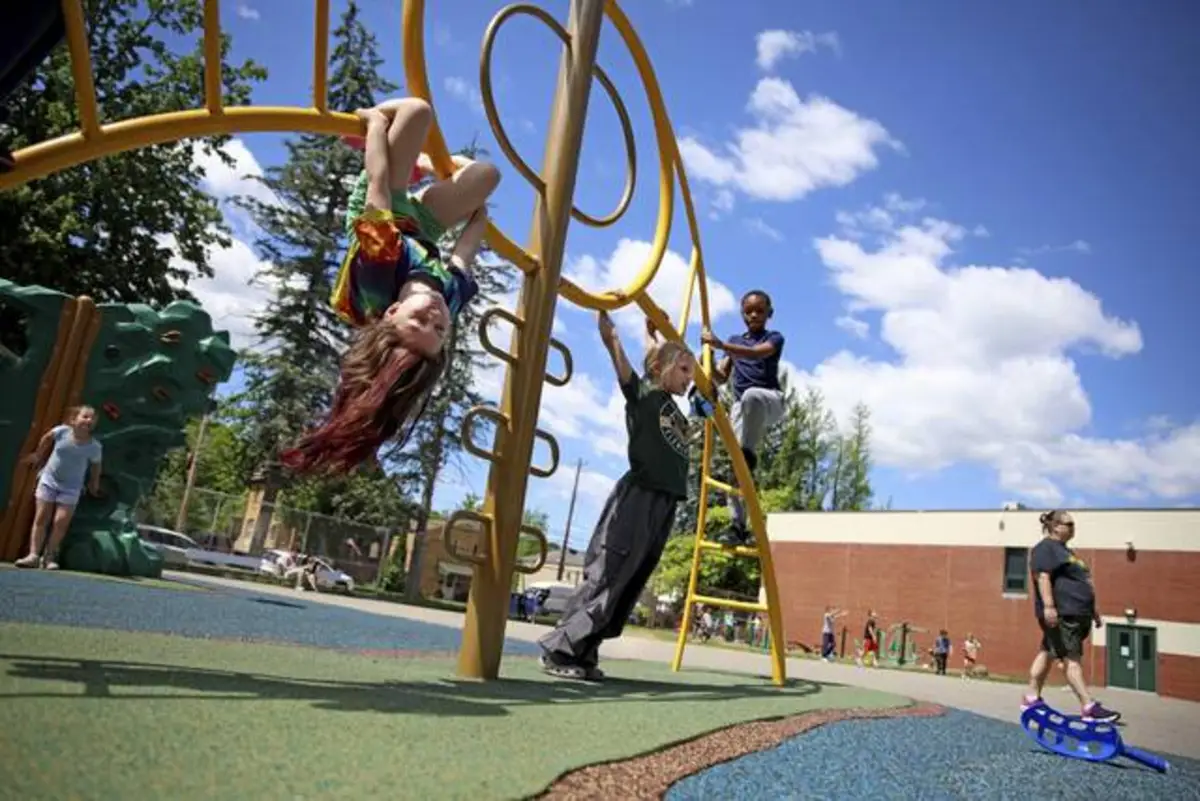
Everyone needs a break.
You need to get some water. You need a little snack. You just need to not stare at your computer for a few minutes. If you sit at a desk all day, you want to get up and move around. If you are on your feet at work, you pine for a chance to sit.
We get this as adults. It’s how our day functions — periods of work broken up by a series of breaks from the same old same old.
Children need the same thing.
As the school year ends and children head off to the blissful freedom of summer vacation, the relief almost radiates off them. The coming weeks are a release valve for the pressure of daily schedules, homework and expectations.
Some educational authorities lament the “summer slide” and the loss of learning over break. But the American Psychological Association recognizes the stress and anxiety that can accompany the school year and the restorative value of time away.
But summer breaks aren’t the only thing children need. Just like adults pop away for a few minutes off the clock, students need time out of the classroom during the day.
“In elementary school, they absolutely need the opportunity to take a break from school work and have 30 minutes of time to decompress,” Crafton Elementary Principal Tyler Roberto said. “It’s important they step away from learning and have time to be with friends and engage in physical activity.”
The American Academy of Pediatrics put out new guidelines this year stressing the importance of recess — the daily breaks many adults remember from childhood but don’t realize have been slowly pared away in the modern school day.
It isn’t just nostalgia. It isn’t just kids playing — although kids playing should be reason enough for recess. Play is a big part of how children learn.
But that isn’t all that can be learned from this time away from desks and whiteboards. It is practice for being a productive employee.
For many, the goal of school is not simply educating children for education’s sake. It’s to produce a workforce prepared to do the work that keeps the world turning.
That’s not a case against recess. It’s an argument for it.
The same psychiatric organization that advocates for recess also trumpets the importance of physical, mental, emotional and creative rest for adults.
Physical rest might be a nap or a run. Mental rest could be meditation or reading a book. Emotional rest might be talking to a friend. Creative rest could be drawing a picture. Any of them — or all of them — could be recess.
Taken together, that speaks to the kind of work-life balance that makes for good employees — the kind who give their all while they are on the clock but also know when to relax so they can keep being productive.
Kids should learn the value of a little downtime now so that when they are adults, they understand the value on the job.