
Though Stephanie Taylor works as an advanced recovery coach and thought field therapy practitioner at a New Kensington addiction recovery center, continued learning brings new perspective and meaning to her job.
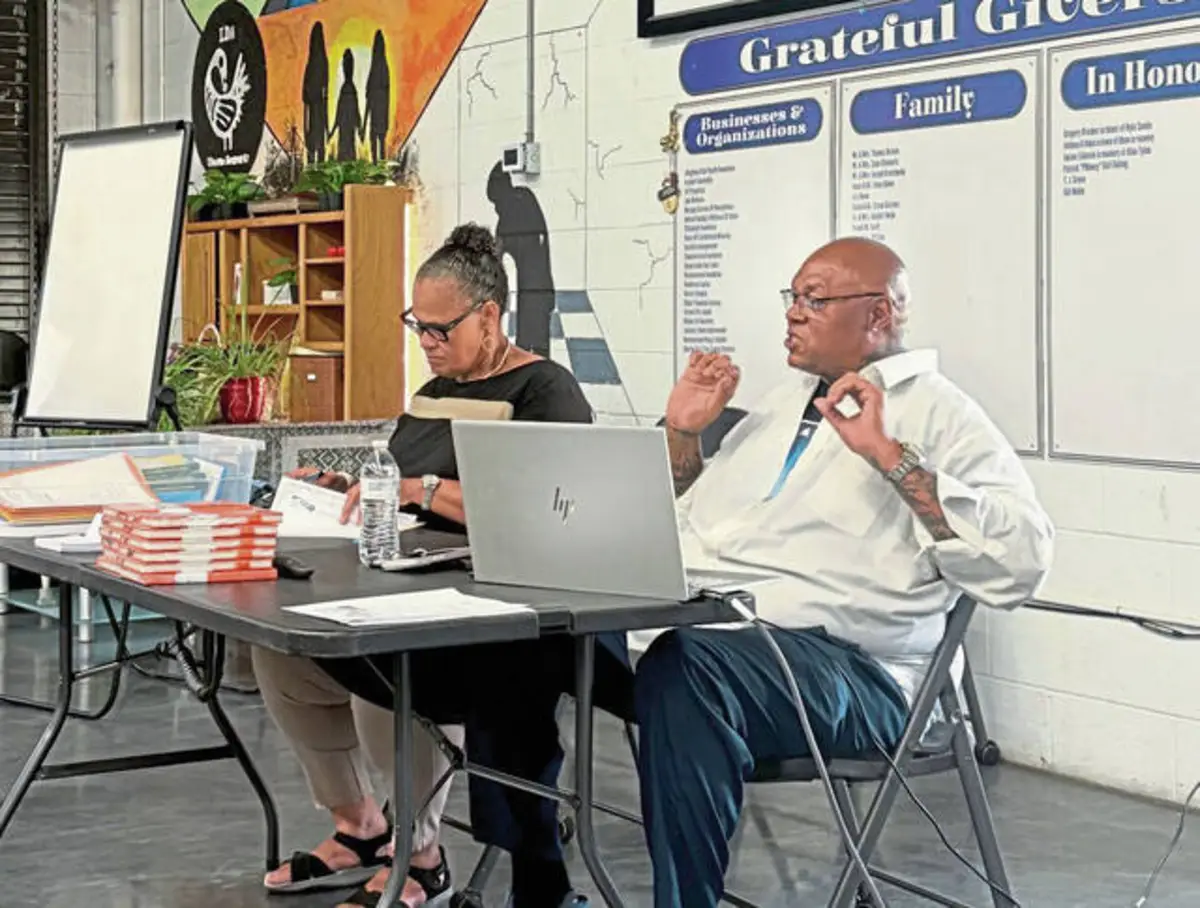
Taylor was among the first cohort for the Lost Dreams Awakening (LDA) Recovery Ambassador Bootcamp, a training focused on community outreach, communication, changing stigma, recovery resources and leadership development, which wrapped up training last week.
“Behind a recovery ambassador is knowing you have intentional (ways) to connect with people to help support them or gather resources,” said Taylor, who has worked at Lost Dream Awakening for four years.
The training was attended by people who work in recovery, but also many who don’t, including family members of those in recovery, business owners and community members.
For those who don’t work in the field, the one-day training will help break stigma, which makes conversations about recovery easier for everyone, according to Lost Dreams Awakening co-founder VonZell Wade.
“These individuals do not work in the field of helping but they interact with people everyday so our hope is the knowledge they take will support them in their conversations around substance use and the impact that it has on individuals, families and communities,” he said. “Knowing how to talk about (and) understanding the impact makes for a good positive conversation that, in the long run, helps.”
For those working in the field, it teaches them about resources and how to navigate conversations with people they serve.
“What happens most of the time is they just have this passion to help and passion alone is not going to do it,” Wade said. “You have to have some form of understanding to enable yourself.”
The training, funded through Westmoreland County Department of Human Services’ opioid abatement funds, drew about 25 people, including family members and people on their own recovery journeys, Wade said.
“This Recovery Ambassador Bootcamp was designed for individuals to really have this information, go out into the community and start making ripples,” he said. “For these ambassadors, we really (built) on just leadership development and confidence that they’ll need to pull this off, and it was a beautiful day.”
Wade said people who go through the training receive a certificate at the end and have the opportunity for further oversight from the center on how to practice what they learned.
Both on their own recovery journeys, Wade and his wife, Laurie Johnson-Wade, opened Lost Dreams Awakening in 2014.
Before that, the pair volunteered at a Pittsburgh center called Message Carriers then visited other recovery centers in Detroit and Connecticut for input on how to start their own center.
“We weren’t trying to reinvent the wheel, but we had identified some people who were doing it well and, to some degree, wanted to replicate that,” Wade said. “Now our original vision was to have a place where people could just come who are, you know, suffering from substance use disorder. … Well, the community, once we started bringing some stakeholders and listening to voices, they said, well, we need a little bit more than that.”
From there, Lost Dreams Awakening expanded in 2022, doubling its foootprint in the building it operates.
The center serves about 10,000 people a year, including those in recovery, family members and allies.
“The community dictates what it needs. So when an individual or a family comes to Lost Dreams Awakening, our question is ‘how can we help you with your wellness today,’” Wade said.
“It’s not so much about offering a regular program everyday, it’s about being there when someone comes in.”
He said he hopes the center can offer the training a few times a year but a date hasn’t been set for the next one.
For Joey Marzullo, a community advocate and partner at New Kensington-based basketball club Kings and Queens of the Court, the training helped to strengthen his mindset of believing in people in recovery, even when they don’t yet believe in themselves, and of leading with empathy.
“It’s just helping to mold me into a better person and a better role model, advocate and teacher for the community,” Marzullo said.
The training showed him that supporting the community is vital to helping people in recovery, he said.
“The word addict has a bad rep to it. … You can be an addict and be a good person,” Marzullo said. “One of the most important things going forward for the people (is) knowing what’s out there and knowing that you have a voice.”