
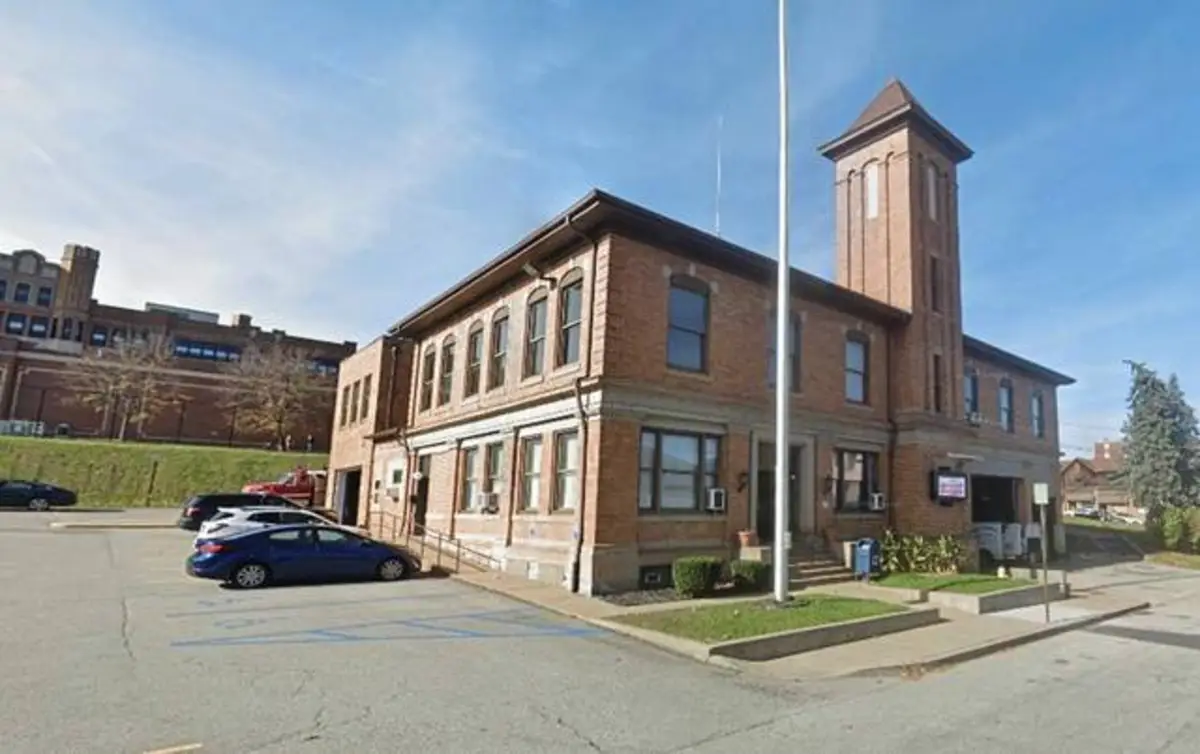
Duquesne residents will get their first look Monday at a proposed Home Rule Charter that supporters say could help reshape city government and address longstanding challenges.
Residents voted in November 2024 to create the Duquesne Government Study Commission, which was tasked with drafting a new governing document for the city. During a public hearing scheduled for 6 p.m. Monday at Christ Lutheran Church in Duquesne, the commission will present the proposed charter and take public comment.
The proposed Home Rule Charter outlines a new framework for city government designed to increase efficiency, accountability and transparency. If approved by voters in the Nov. 3 general election, the charter would replace the current structure with a system tailored to better meet the needs of Duquesne residents.
Duquesne City Manager Douglas Sample said home rule would give the community greater flexibility to govern itself and address local issues while remaining subject to state and federal law.
The proposal comes as Duquesne continues its recovery from decades of financial hardship. From June 20, 1991, to June 15, 2023, Duquesne was designated as a financially distressed municipality under Pennsylvania’s Municipalities Financial Recovery Act, commonly known as Act 47, according to state Department of Community and Economic Development documents.
The municipality’s current income tax is 1%, which is split equally between the school district and municipality.
Sample said that while under Act 47, Duquesne was able to charge a higher income tax. One percent went to the city, while the school district received only 0.5%.
“A lot of Act 47 communities go through home rule and that gives us the ability to bring back that increased earned income, which we need or we won’t survive,” Sample said.
The proposed charter in its current form eliminates the elected controller position, which has reportedly been vacant for about a decade. It also would give city council more flexibility with revenue options after the city lost additional earned income tax revenue when it exited Act 47.
The City of Duquesne’s estimated population sits at about 5,020, according to the U.S. Census Bureau.
Kirsten Pastrick, chair of the Duquesne Government Study Commission, stressed that the proposed charter itself does not set or increase taxes and that any future earned income tax changes would still require action by Duquesne City Council.
“This is kind of to protect our senior citizens who own their own homes, who’ve lived in Duquesne maybe their whole lives, to keep them from getting dinged all the time with the taxes,” Pastrick said.
The proposed charter would place limits on how much and how frequently earned income taxes could be increased, though commission members have said details are still being finalized.
“This is just a charter. We don’t set the tax rates or anything like that. This is just kind of a constitution for Duquesne,” Pastrick said.
Wilkinsburg adopted its own Home Rule Charter in November 2024, transitioning the borough away from the statewide Pennsylvania Borough Code, according to the borough’s website.
Duquesne’s draft charter would maintain Duquesne’s current form of government, including a mayor and four council members. The mayor would continue to have a vote equal to that of council members and would not have veto power.
If no candidate seeks the elected treasurer position, the charter would allow those duties to be assigned to the city administrator.
The proposal also includes additional opportunities for citizen involvement, including a petition process that could allow residents to bring issues before council. The charter would also require council approval before the mayor could initiate lawsuits on behalf of the city.
The proposal remains a draft and Monday’s hearing is intended to gather public feedback before a final version is prepared.
Pastrick said there will be several other public comment opportunities scheduled if needed.