
There is a lot of focus on the opioid epidemic and its fatal fallout. But opioids are only part of the problem.
The larger issue is addiction.
Like other diseases, addiction requires treatment. It requires doctors, counselors, recovery coaches and mental health professionals. It requires rehab facilities and halfway houses. It requires support systems that help people move from crisis to stability.
And there are not enough of those things.
Part of the reason is simple scarcity. There are not enough beds. There are not enough providers. There are not enough resources to meet the need. The only treatment that is plentiful is naloxone, the drug that pulls people back from overdose’s edge.
But there is another obstacle.
When treatment facilities, recovery housing or other services are proposed, communities often push back. Residents attend meetings. They voice concerns. They ask whether such a facility belongs in their neighborhood.
It isn’t that they don’t see the need. They just don’t see it on their street.
The concerns are understandable. People worry about safety. They worry about property values. They worry about how change will affect the place they call home.
But addiction does not disappear because a neighborhood rejects a treatment center. It does not respect municipal boundaries. It does not stop at the edge of a zoning district.
Addiction lives in every ZIP code.
The challenge is not simply finding a building where services can fit. It is helping communities understand why those services matter.
More of them are seeing it. While overdose deaths are down, addiction is not. It touches more people, more families, more communities. The Substance Abuse and Mental Health Services Administration puts the number of people dealing with addiction in the U.S. at more than 48 million — more than three times the population of Pennsylvania.
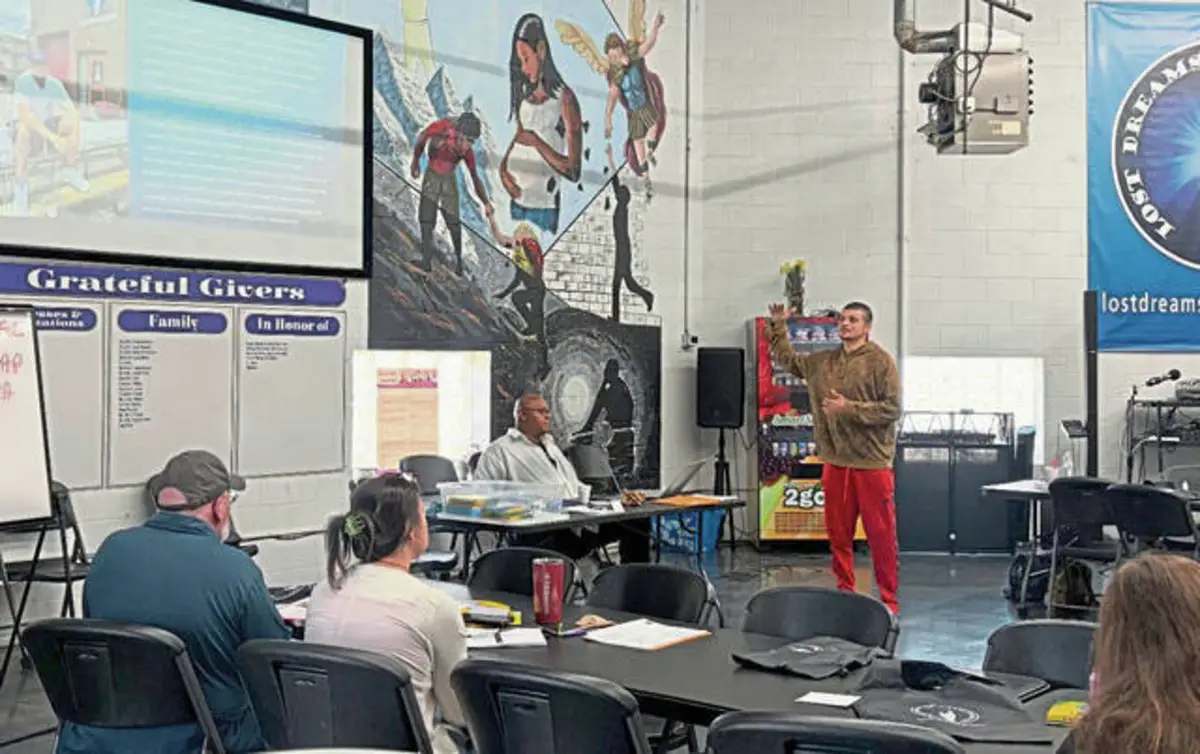
That is one reason programs like Lost Dreams Awakening’s Recovery Ambassador Bootcamp are valuable.
Programs like these are not just for people who work in recovery. They can be for business owners, family members and community advocates. They are for people who may never counsel a single person but who will interact with people affected by addiction every day.
“Knowing how to talk about (and) understanding the impact makes for a good positive conversation that, in the long run, helps,” said co-founder VonZell Wade.
The help may be broader than just a helping hand. It might be a way to change how people relate to addiction.
Understanding creates familiarity. Familiarity creates empathy. Empathy makes it easier to see treatment facilities, recovery housing and support services not as threats but as tools — no different than doctor’s offices or hospitals.
Sometimes solving a problem is about finding the right place for a building.
Sometimes it is about helping people find their place in the solution.