
Over the past decade, Forbes Hospital in Monroeville has added a $35 million Cancer Institute, expanded its labor and delivery unit by 10,000 square feet, and opened a new $17 million surgery center.
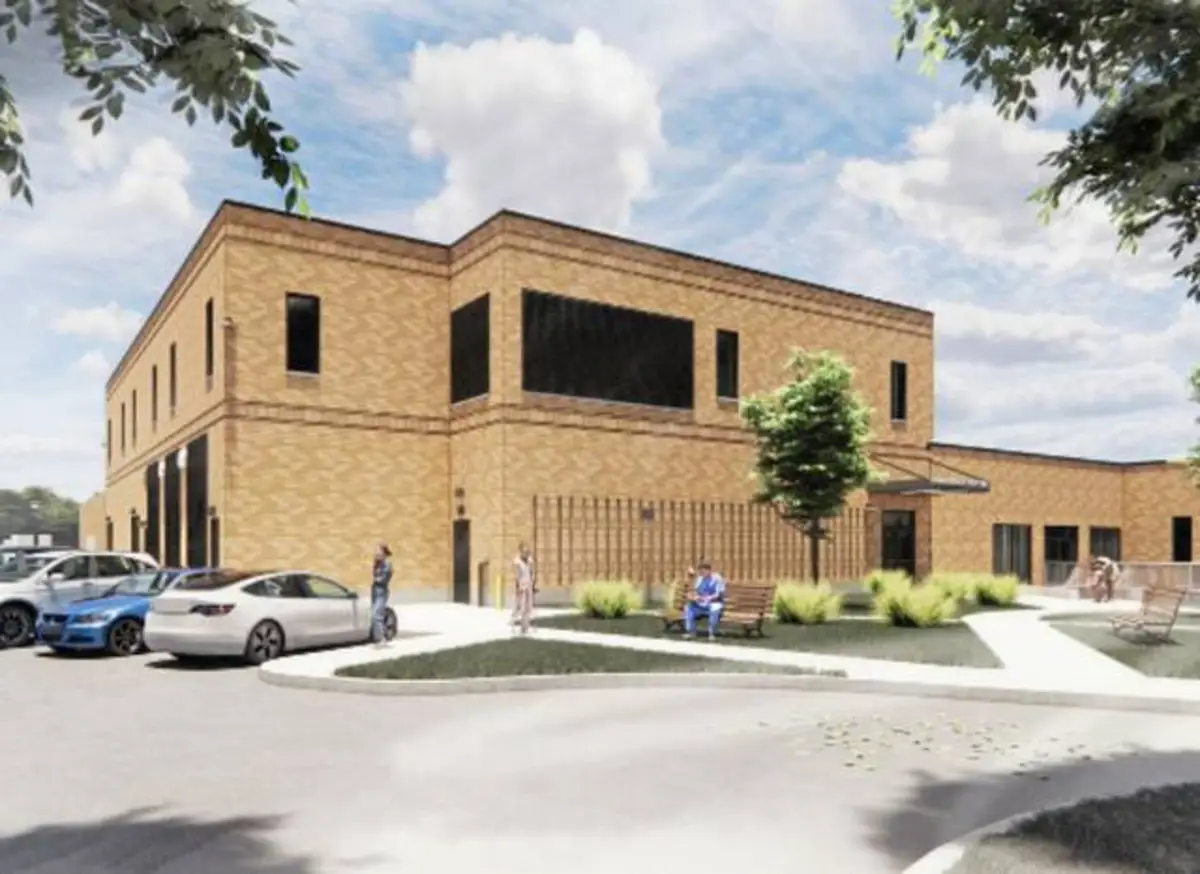
This month, Allegheny Health Network announced a $63 million expansion that will modernize the hospital’s infrastructure and add a new, two-story building to house those upgrades, along with a conference and education center.
“Forbes has evolved into a true regional referral center and destination for cutting-edge medical care, serving eastern Allegheny County and surrounding communities, and the demands placed on our facility have grown with us,” said AHN Forbes Hospital President Dr. Mark Rubino. “Our infrastructure has reached its limits, and this project sets the stage for the next amazing chapter of the hospital’s legacy.”
The infrastructure project comes on the heels of a period of significant expansion at Forbes.
Recently, the hospital opened a second cardiac catheterization lab, adding cardiac care capacity for patients east of Pittsburgh. Forbes also converted a former inpatient rehab unit into 20 new medical-surgical beds to meet increasing demands for acute care and completed a $2 million main lobby renovation to modernize the hospital’s primary entryway.
Forbes’ trauma-care capabilities also make it the only Level 2 adult trauma center in Allegheny County.
“Every one of these clinical advancements placed new demands on the building systems,” said Skylar Van Soest, AHN’s vice president of real estate, facilities and construction. “From our chilled water capacity to our electrical substation capacity, to the new professional training center, this project is about making sure our infrastructure matches the ambition of our clinical mission.”
Among the most significant upgrades is the addition of two new 2.75-megawatt emergency diesel generators, each individually capable of sustaining full hospital operations. The new system will allow Forbes to operate as a fully self-sustaining campus, independent of the regional electrical grid if needed.
“Right now, power disruptions can affect critical services,” said chief operating officer Jeffrey Carlson. “When this project is complete, localized power outages won’t affect us.”
The second floor of the new building will replace the hospital’s existing learning centers, which are being demolished to make way for the project. The new conference center will feature dedicated meeting rooms, digital walls, and modern audiovisual systems, built to meet the growing educational demands of a campus that hosts an expanding roster of nursing students, residents and medical staff.