
Did a Pennsylvania Supreme Court ruling just change the game for Pennsylvania’s gambling industry?
No, lawmakers did.
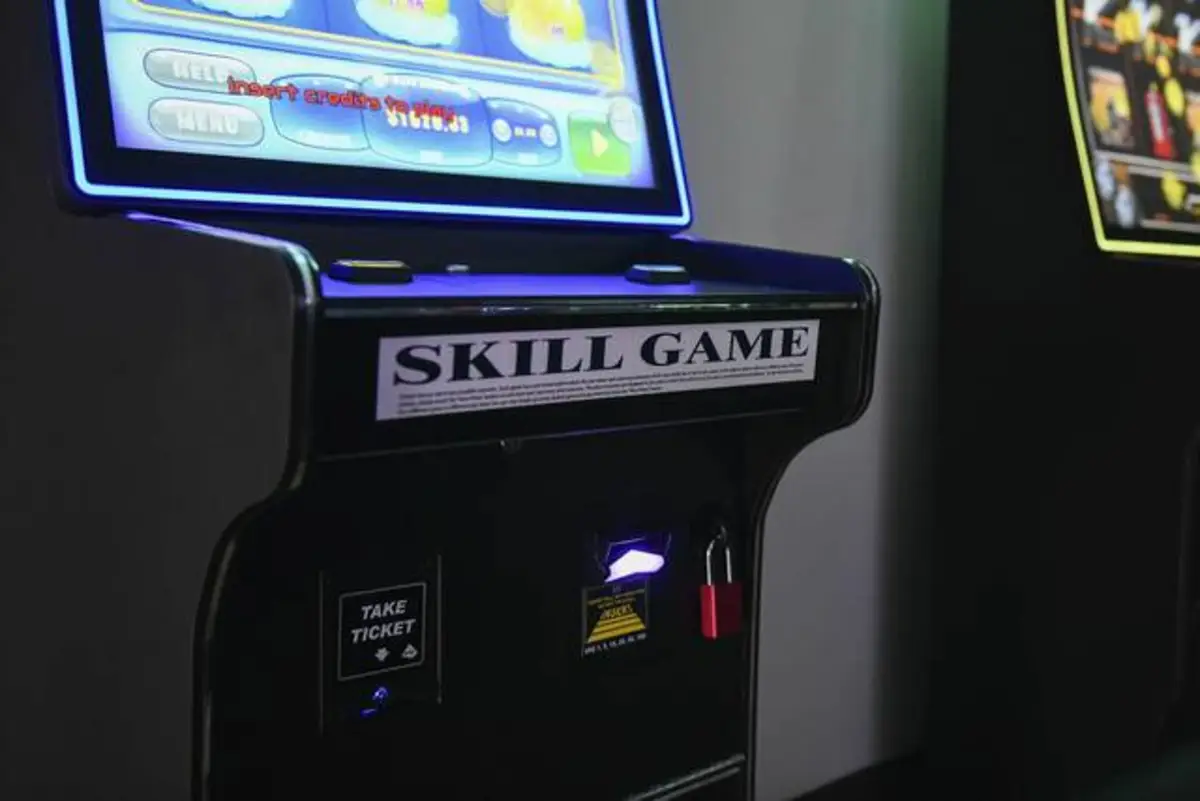
Skill games are gaming machines that might look at home in an arcade or a casino. For years, they have lived in a legal midway point. They make money like a slot machine but aren’t regulated as one.
On Monday, the court changed that, deciding they are slots under existing state law and must be treated accordingly.
The state Legislature has four months to figure out what to do next. Does it finally write laws that address the situation, or does it let the Supreme Court ruling be the guiding star?
Does this have the potential to affect the fraternal clubs, veterans organizations, mom-and-pop stores and corner bars that have been relying upon revenue from the skill games? It might. Regulation will change the math.
The timing of the ruling might finally push the issue. It comes just two weeks before the state budget must be finalized. The potential $1 billion in tax revenue regulating the machines could generate flashes like a neon jackpot sign.
But just because the jackpot is flashing doesn’t mean lawmakers should pull the lever.
Before deciding how much revenue skill games might generate, lawmakers should decide what they want skill games to be. Are they gambling? Entertainment? An economic lifeline for clubs and small businesses? A mix of all three?
Those questions should have been answered years ago. They are no less important because the clock is suddenly ticking.
But that isn’t the court’s fault.
The fault lies with years of legislative inaction. Lawmakers knew skill games existed. They knew courts were wrestling with the issue. They knew businesses were building revenue streams around machines operating in a legal gray area. Yet they repeatedly failed to establish clear rules.
The Legislature has had plenty of time to do other gambling-related law-crafting over the years, as Pennsylvania has not-so-slowly and very steadily increased how and when and where people can gamble.
In January, the Pennsylvania Gaming Control Board reported 2025 revenue at $6.8 billion, second only to Nevada nationwide. Gambling in the Keystone State has grown every year for five years.
Lawmakers had no trouble keeping pace with gambling’s growth. They simply failed to keep pace with skill games.
There are good reasons for legal parameters for the operation, taxation and regulation of skill games. But gaming developer Pace-O-Matic is not wrong when it says those smaller operators will face “an impossible choice,” according to Spotlight PA. They can lose money by losing the machines or lose money by the cost of operating them.
That’s why lawmakers should have fixed this situation years ago.
The Supreme Court did not create this problem. It merely forced lawmakers to confront it. Now they need to do more than chase the payout. They need to finally make a decision.