
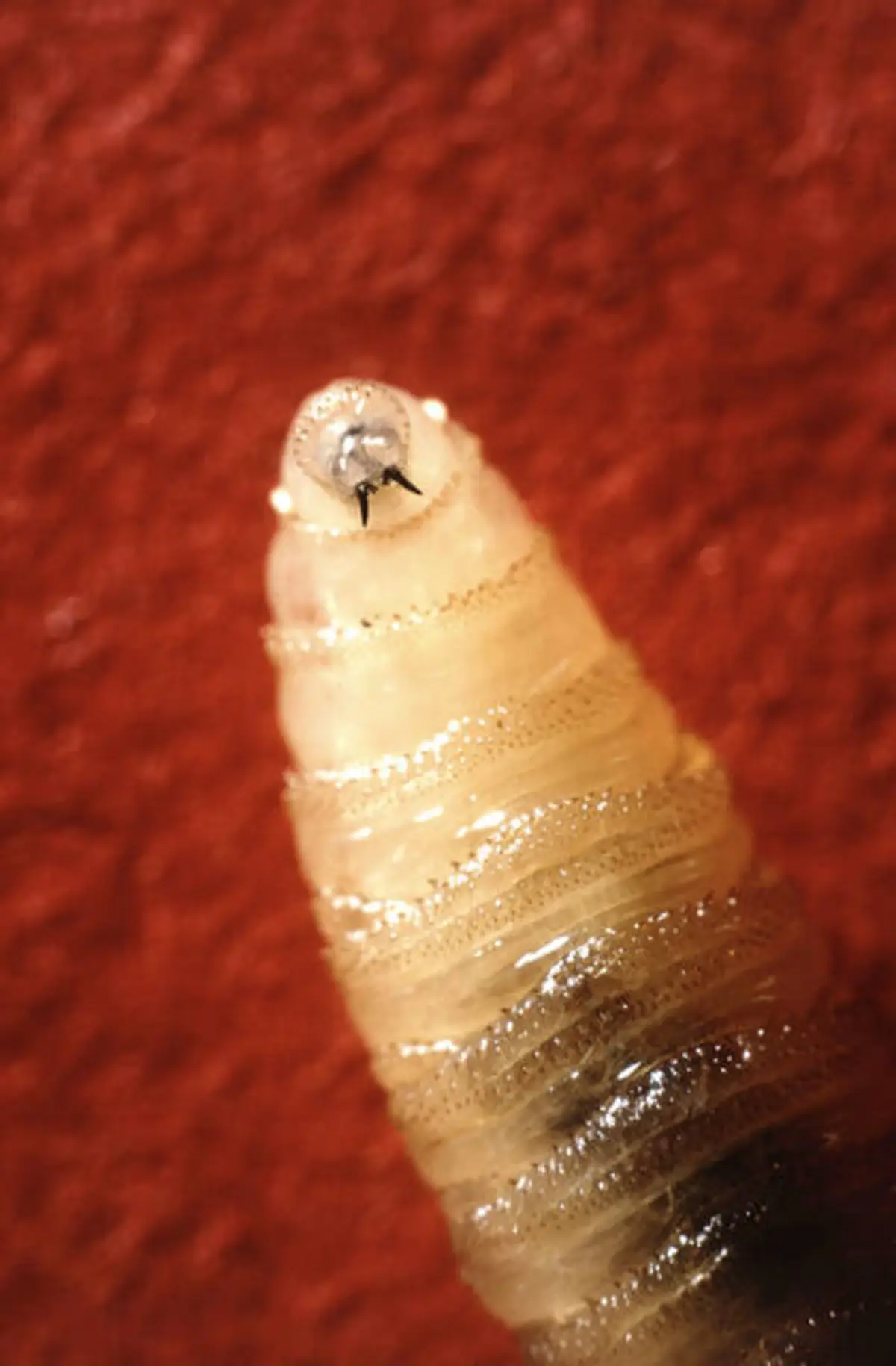
Maggots, the larvae of flies, don’t have a great reputation.
Most of the time, when they’re discovered, it’s in some sort of disgusting habitat, like a forgotten pile of rotten food or the corpse of an animal by the side of the road.
That may be the sole upside of maggots in the U.S.: They only consume dead tissue. In fact, in some medical scenarios, lab-raised maggots are used to clean wounds, because they do it so efficiently and completely, leaving behind all of the living tissue.
That is also why U.S. agriculture officials are so concerned about the New World Screwworm following confirmed cases recently in Texas and New Mexico.
And now, Pennsylvania agriculture officials issued a quarantine order limiting animal movement into the state.
That’s because the larvae of the New World Screwworm fly (NWS) consumes living tissue. Flies lay their eggs in warm-blooded animals, and the maggots feed on their host, creating wounds and opening animals up to infection.
“New World Screwworm is unlike the flies and maggots we commonly encounter,” State Veterinarian Dr. Alex Hamberg said. “These larvae feed on living tissue, causing severe wounds that can quickly become life-threatening if left untreated. Producers, veterinarians, and pet owners should regularly inspect animals for wounds that fail to heal or show signs of maggot infestation. If producers suspect NWS, they should seek veterinary care immediately.”
The larvae can infest livestock, pets, wildlife, occasionally birds and — in rare cases — people.
The state quarantine order took effect June 9, and it establishes movement restrictions and enhanced animal health requirements for domestic animals entering Pennsylvania from affected areas.
NWS flies can lay eggs even in small wounds, including cuts and scrapes, ear tag sites and wounds as small as a tick bite, according to the Pennsylvania Animal Diagnostic Laboratory System, part of the state agriculture department.
While there is a health risk to infected animals, the NWS’ presence does not impact food safety, state agriculture officials said.
The quarantine order specifies the following restrictions on susceptible species of domestic animals being imported into, or transported through Pennsylvania:
• Any susceptible species infested or suspected to be infested shall not be imported until examined by an accredited veterinarian.
• Any animal from an infested area or county shall not be imported until examined by an accredited veterinarian.
• Dogs and cats originating in a state with a quarantine area shall not be imported for the purposes of sale, adoption, fostering or transfer of ownership.
• Susceptible species originating from a quarantine area must have a certificate of veterinary inspection, or a document indicating freedom from infestation provided by a state or federal health official, issued within seven days prior to entry or transit through Pennsylvania. Such animals must also be treated with a product authorized for use against NWS prior to entry. The name of the product, and date/route of administration must also be noted on the vet certificate.
The full quarantine order is available online at PA.gov/agencies/pda.
Violations of the order could result in individual quarantine, examination, treatment and possible euthanasia of infested animals along with penalties for the person violating the order.
There have been 20 confirmed cases so far, confined to nine counties in southwest Texas along with one county at the southeast corner of New Mexico. There have been no human cases reported in the U.S. Anyone who suspects they have found evidence of NWS on an animal is encouraged to call the state vet’s office at 717-772-2852.
For the latest information and updates, see Screwworm.gov.