
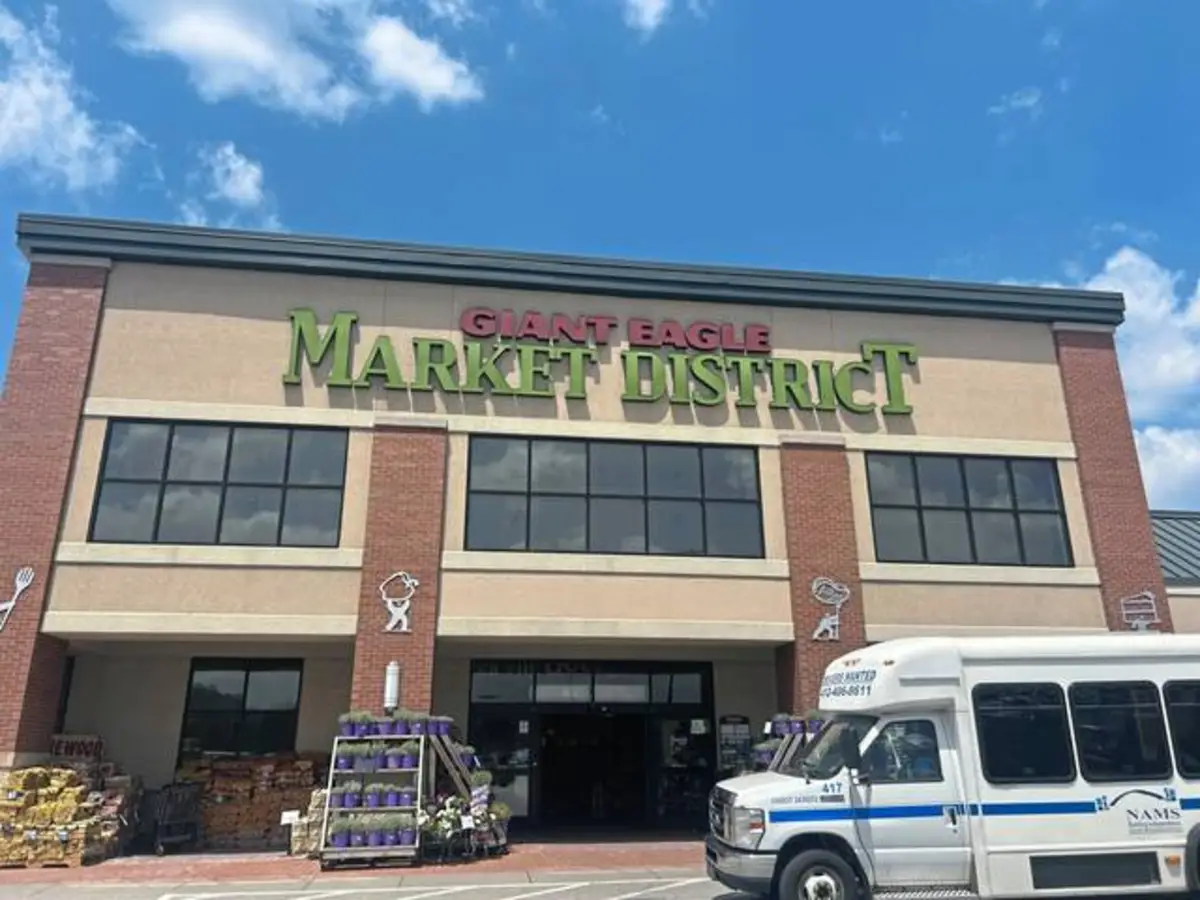
Kroger’s proposed acquisition of Giant Eagle continues a trend of consolidation in the grocery industry, local experts say.
“Kroger needs scale to compete against Walmart, Costco, Aldi, etc.,” said Jeff Inman, a marketing professor at the University of Pittsburgh. “Acquiring Giant Eagle gives them access to new geographies to expand their footprint.”
Kroger, a Cincinnati-based grocer, announced Wednesday it will acquire Giant Eagle for $1.65 billion.
“From Giant Eagle’s perspective, they have seen growing competition over the years from every direction: mass merchandisers like Walmart Superstores, club stores like Costco, BJ’s and Sam’s Club, and small-size private label banners like Aldi,” Inman said. “And now, Wegmans is entering the Pittsburgh market. So, it makes sense they would be willing to engage in talks with a major retailer like Kroger.”
The process
The Kroger-Giant Eagle proposal is the latest in a changing grocery market. Notably, Aldi bought Winn-Dixie in 2024 and Amazon acquired Whole Foods in 2017.
Martin Gaynor, an emeritus professor of economics and public policy at Carnegie Mellon University, said the Federal Trade Commission traditionally reviews supermarket mergers.
“The big concern will be, ‘Does the merger have competition?’ Do Kroger and Giant Eagle overlap each other significantly in relative geographic markets, and if they merged, would there be significant competition left?’ ” said Gaynor, who served at the FTC as director of the Bureau of Economics in 2013-14.
The FTC will also look at things like the labor market and competition and selling products.
“If the merger would not cause harmful competition, then you’re done as far as antitrust enforcers are concerned,” Gaynor said.
The Kroger-Giant Eagle sale is expected to close in early 2027.
Grocery acquisitions aren’t always smooth sailing, however.
Kroger’s proposed acquisition of Albertsons in 2024 was blocked by the Biden administration.
“That one was much larger and the Trump administration seems more lenient on acquisitions, so I would expect this one to go through,” Inman said.
Risa Kumazawa, an economics professor at Duquesne University, noted the Kroger-Albertsons proposal failed because they both operate in sizeable markets, and the merger would have violated antitrust laws.
Kumazawa views the Giant Eagle deal as increasing competition in the grocery store industry. She highlighted retailers like Costco, Sam’s Club and Walmart providing deep discounts and the ongoing growth of Aldi, a low-cost store, in the region. Wegmans, a full-service supermarket with an upscale feel, expanding into the Pittsburgh next year with a store in Cranberry.
Grocers also balance inflation from tariffs and the conflict in Iran.
“It is not surprising that Giant Eagle would consider a proposal such as this,” she said. “Consumers are becoming very selective in where they shop, to get the best deals when they are facing rising costs — not just in groceries but gasoline, healthcare, etc.
“From Kroger’s perspective, Giant Eagle is attractive because it operates regionally, with a much smaller number of stores.”
Inman doesn’t think the acquisition will impact the strategy of smaller or independent grocers.
“The smaller banners need to be at the top of their game on giving their shoppers a good experience with fair prices while keeping a close eye on costs,” he said. “They can’t compete with the big chains on price so they have to beat them by providing better service and easier shopping.”
What can shoppers expect?
For shoppers, Kroger brings a lot of experience to the table, but Inman doesn’t expect many major changes to the Giant Eagle people have known for decades.
Kroger will want to maintain the Giant Eagle banner, Inman said, but he predicts the company will add its own Kroger stores and Kroger Marketplace (like Market District) when they expand. Kumazawa said customers may not notice significant changes.
“Both Kroger and Giant Eagle are claiming that this will not be two competitors becoming one brand, but each expanding in ‘adjacent markets,’ ” she said. “Both have similar loyalty programs and store concepts which would make the transition smooth.”
Inman recommends Giant Eagle shoppers to use rewards points in the Giant Eagle loyalty program, as he predicts that is likely to get merged into the Kroger loyalty program in the near future.
Giant Eagle’s motivation to sell, Kumazawa said, is to remain competitive and provide quality groceries, whether it is with their private label or fresh produce.
“For a family-owned business, increased competition may mean that they will not be able to compete without creative means to remain in the industry,” she said.
Jingze Jiang, an economics professor at PennWest Edinboro, also is interested to see the federal acquisition process play out given that Kroger’s proposal with Albertsons failed.
“It’s a similar idea,” Jiang said. “From Kroger’s perspective, they tried to expand but Albertsons was too big. Now, they’ve found a perfect match.”
The acquisition is not surprising from Kroger’s standpoint, but it is from Giant Eagle’s, he said. That’s likely why Kroger will keep the Giant Eagle banner, for now, Jiang said.
“I’m curious about the motivation behind the deal because Giant Eagle is a popular brand — especially the more rural you go,” she said.